
Technical Analysis for Options Trading: Key Concepts
Technical analysis plays a crucial role in options trading by allowing traders to assess price movements and market trends. It utilizes historical price charts and various indicators to determine potential future movements. Traders often focus on patterns that emerge over time, which provide signals regarding entry and exit points. By studying past price action, traders can gauge market sentiment and identify support and resistance levels. This analysis offers insights that can be utilized regardless of market conditions. It is imperative to understand how different indicators work in conjunction to form a more rounded view of trends. Additionally, traders should be aware of the importance of volume, as it often precedes major price movements. A high volume can validate the strength of a trend, signaling to traders that the direction indicated is likely to continue. Consequently, becoming proficient in technical analysis can significantly improve decision-making processes. Understanding how to use chart patterns, candlesticks, and various indicators will undoubtedly add to a trader’s skill set. Such acumen can lead to more informed trading decisions and ultimately greater profitability over time.
One of the fundamental aspects of technical analysis in options trading is pattern recognition. Identifying patterns can help predict future price movements based on historical data. Common patterns include head and shoulders, triangles, and flags. Each pattern signifies a different market sentiment. For instance, a head and shoulders pattern often indicates a reversal after a bullish trend, while triangles suggest a continuation pattern. Furthermore, the validity of these patterns increases when accompanied by high trading volume. For traders looking to leverage these signals for options trading, it is essential to learn how to effectively interpret these patterns. They provide a visual representation of market psychology, allowing traders to better anticipate potential shifts. Additionally, combining pattern recognition with other analyses can enhance trading strategies. Integrating this knowledge into a broader trading plan can be beneficial. Traders are encouraged to practice pattern recognition through various resources and platforms. Many trading simulators offer practice scenarios that allow users to enhance their skills without financial risk. Mastery of pattern recognition contributes significantly to a comprehensive technical analysis toolkit for successful options trading.
Indicators Used in Technical Analysis
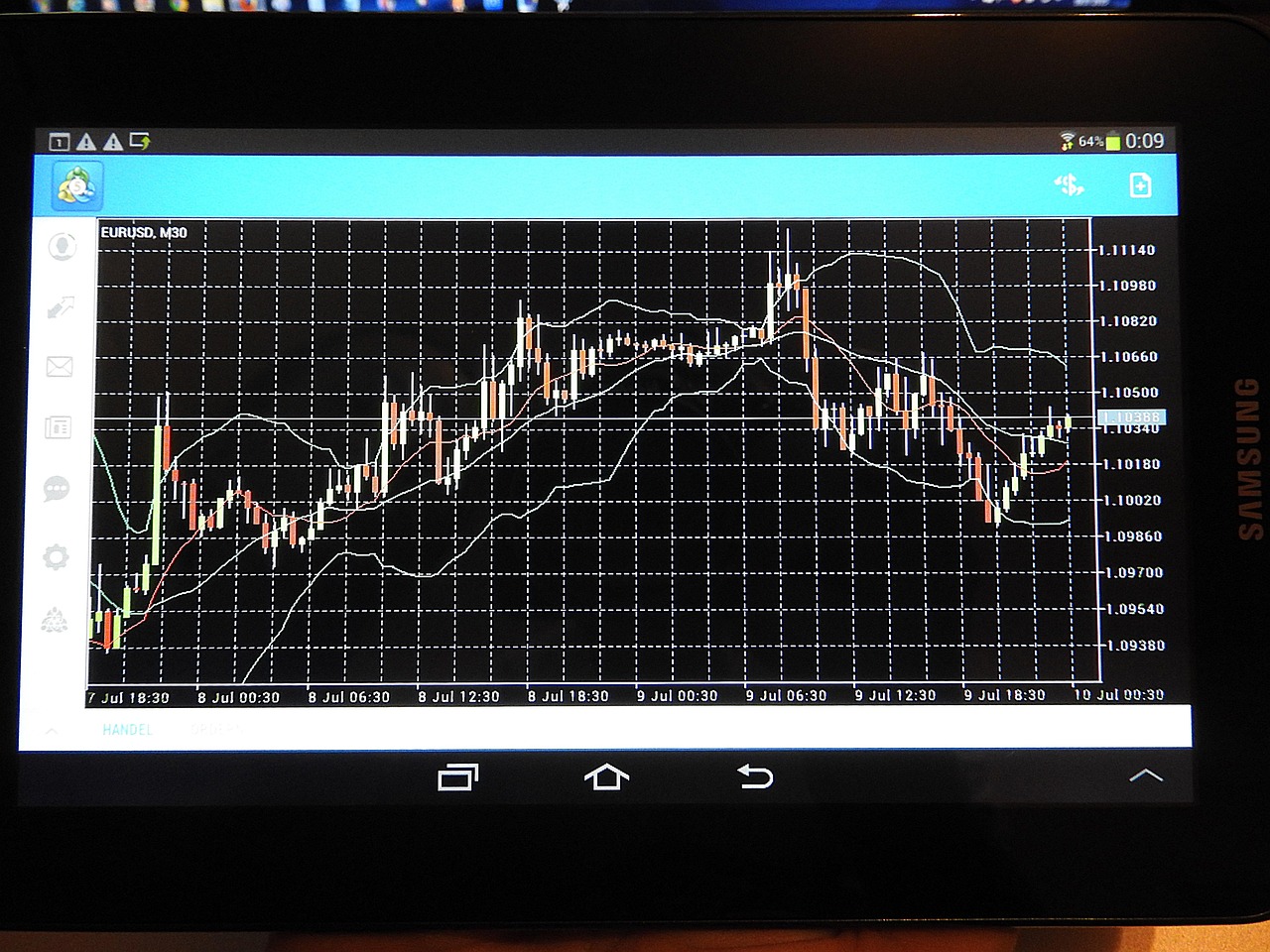
Indicators are vital tools in technical analysis, assisting traders in making informed decisions. These mathematical calculations are derived from historical price and volume data. They help indicate market trends, potential reversal points, and overall market momentum. Some common indicators include Moving Averages, Relative Strength Index (RSI), and Bollinger Bands. Moving averages smooth price data to identify trends over specific periods. This enables traders to discern whether an asset is trending upward or downward. On the other hand, the Relative Strength Index is a momentum oscillator that measures the speed and change of price movements. This indicator can highlight overbought or oversold conditions. Bollinger Bands, consisting of a moving average and two standard deviations, help traders assess price volatility over time. Utilizing multiple indicators can provide a more complete picture of market sentiment, which is especially potent in options trading. However, it’s crucial to not rely solely on one indicator, as each has its limitations. Combining different indicators in a trading strategy can uncover more opportunities while managing risks effectively.
Chart patterns serve as visual cues that can lead to informed trading decisions. Traders often analyze these patterns to gain insights into potential price movements. Two common chart types include line charts and candlestick charts. Line charts offer a simplistic view, connecting closing prices over a designated period. Conversely, candlestick charts provide a more detailed analysis, displaying open, close, high, and low prices during specified intervals. This detailed information allows traders to recognize bullish or bearish sentiments. Candlestick patterns like Doji, Engulfing, and Hammer can offer powerful signals regarding market potential or reversal points. Understanding these signals is crucial for timing trades effectively. Increased knowledge of these chart types and patterns can lead to improved decision-making. Additionally, integrating chart analysis with other technical analysis aspects can enhance trading strategies significantly. By recognizing both short- and long-term trends, traders can position themselves favorably in the market. Ultimately, chart patterns are indispensable tools in an options trader’s arsenal, guiding them toward making more strategic decisions.
Risk Management in Options Trading
Effective risk management is essential for success in options trading. It involves identifying potential risks and implementing strategies to mitigate them. Adequate position sizing is one of the key principles of risk management. This ensures that no single trade significantly impacts the overall portfolio. Traders must also use stop-loss orders to limit potential losses. Stop-loss orders automatically sell an option when it reaches a predetermined price, helping to protect against unfavorable market movements. Additionally, diversifying a portfolio can spread risk across various assets, minimizing the impact of any single trade. Engaging in thorough analysis and planning before executing trades contributes to sound risk management practices. Incorporating technical analysis into this strategy can help identify potential risks more effectively. By understanding market trends, volumes, and signals, traders can better gauge the risk associated with a trade. Ultimately, proficient risk management can lead to more sustainable trading success. New traders should prioritize risk management principles and develop a robust plan to navigate the complexities of the options market while protecting their investments.
Emotional discipline is another vital aspect of options trading. Traders often face emotional responses that can jeopardize trading decisions. Fear and greed can lead to irrational choices, such as overly aggressive trades or exiting positions prematurely. Cultivating emotional discipline can help mitigate these risks. Traders are encouraged to develop a comprehensive trading plan that outlines specific strategies based on technical analysis. Adhering to this plan fosters consistency, reducing the influence of emotions on trading activities. Staying patient and executing trades based on analytical rather than emotional responses is crucial. Taking regular breaks from trading can also foster better emotional control. It’s beneficial to maintain a journal to track trades, analyze decision-making processes, and reflect on emotional responses over time. By reviewing past trades, traders can learn from their experiences, enhancing their emotional resilience. Developing this discipline is an ongoing journey, contributing to a professional trading mindset that prioritizes strategy over emotional impulses. Ultimately, establishing emotional control can significantly enhance the effectiveness of technical analysis in options trading.
Conclusion
Mastering technical analysis for options trading involves understanding various methods and tools. Each component plays a distinct role in navigating market complexities, from pattern recognition to using indicators. The integration of these elements can bolster trading strategies and decision-making processes. Conversely, neglecting any aspect can hinder potential gains. Traders must adapt to ever-changing market conditions, continuously refining their analysis skills. Furthermore, maintaining awareness of market sentiment and shifts in behavior can enhance overall trading effectiveness. As the options market continues evolving, new tools and techniques may emerge, making continuous education vital for traders. Engaging with trading communities or participating in webinars can also foster the exchange of ideas and strategies. Learning from experienced traders often inspires innovation in one’s approach. Ultimately, successful options trading requires a mixture of solid technical analysis skills, effective risk management, emotional discipline, and a commitment to lifelong learning. By consistently evaluating performance and adapting strategies, traders can position themselves for sustained success in the dynamic world of options trading.
By implementing these strategies, traders enhance their chances of making informed decisions. The blend of technical analysis methods creates a comprehensive framework, guiding their trading journey. Regular self-assessment encourages traders to refine their methods, fostering continuous improvement. Options trading offers significant opportunities for profit, but navigating it successfully requires thorough preparation and knowledge of technical analysis. Traders who take the time to understand these concepts often find themselves better equipped to face market challenges and capitalize on opportunities. Consistent dedication to learning, practice, and emotional control ultimately sets successful traders apart. Engaging in simulated trading or practice sessions can reinforce these principles, improving confidence and ability. As traders advance in their careers, they should aim to connect theoretical knowledge with practical experience. This integration enhances their understanding and application of technical analysis in real-world scenarios. Moving forward, the emphasis on discipline, persistence, and learning will remain critical in the trading landscape. Developing a solid foundation of technical skills will serve traders well, evolving with the market as they navigate the complexities of options trading.