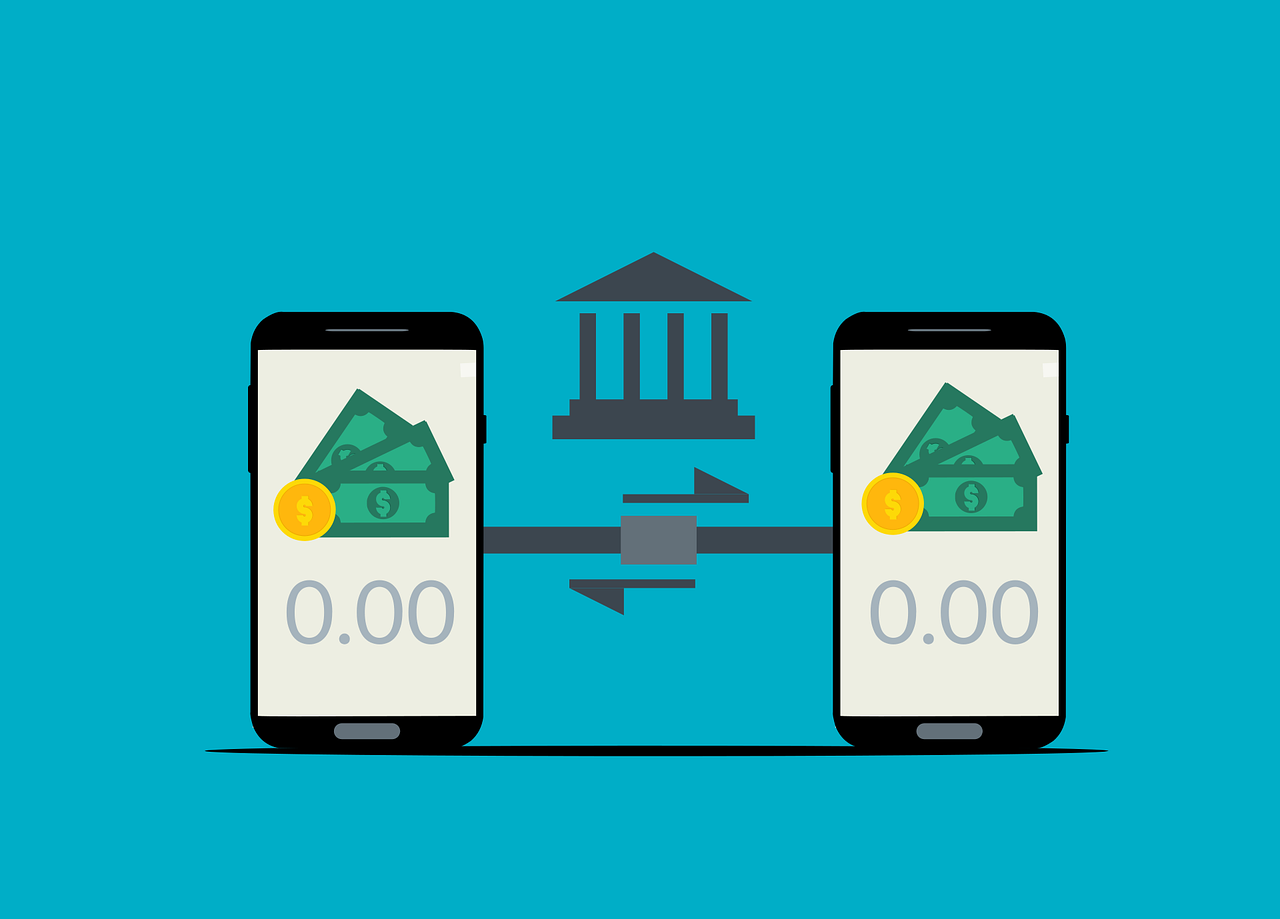

The Importance of UX/UI Design in Mobile Banking Apps
In the fast-evolving world of mobile banking, providing a good user experience (UX) and user interface (UI) is critical. Users are increasingly demanding intuitive and aesthetically pleasing designs that allow them to manage their finances effortlessly. Emphasizing UX/UI design not only enhances user satisfaction but also drives customer loyalty and retention. When users encounter an app with a confusing interface or cumbersome navigation, they are likely to abandon it for a competitor’s option. Hence, it is vital to integrate user feedback into the design process. Well-designed apps should prioritize functionality while maintaining a visually appealing layout. Good design helps to establish brand identity and reinforces trust with users. Furthermore, practicing good UX/UI design means that security features should also be easily accessible and visible without cluttering the interface. This balance between aesthetic appeal and operational functionality is crucial. Mobile banking apps must ensure that all age demographics find the services usable, as financial inclusion is a growing concern. By focusing on these critical aspects, developers can lead by example in creating apps that resonate with users globally.
Financial technology firms have to be aware of the growing importance of including personalized features in mobile banking applications. Personalization can be achieved through data analysis and understanding user behavior. By leveraging technology and employing AI-driven solutions, apps can tailor their offerings to meet the specific needs of users. Personalized notifications, user-specific financial advice, and targeted promotional offers enhance user experience. For example, if a user regularly transfers funds, reminders for upcoming transfers or insights about their spending habits can be beneficial. This kind of personalized interface not only makes banking easier but can also help users save money and make informed decisions regarding their finances. Moreover, incorporating gamification elements into the UX can keep users engaged and motivated to interact regularly with the app. Features like rewards for meeting savings goals or challenges in budgeting can transform financial management into an engaging and fun experience. User-centric design allows for more personalized interactions, fostering relationships, and building trust between the user and the financial institution. Therefore, investing in personalized solutions will ultimately enhance user satisfaction with banking app services!
Accessibility Features
Ensuring that mobile banking applications cater to users with disabilities is a significant aspect of UX/UI design. An inclusive design while prioritizing accessibility can significantly impact user engagement and satisfaction. Users with visual impairments, for example, benefit from voice-guided features and screen-readers optimized for such technology. Also, high-contrast colors and scalable fonts should be implemented in mobile banking applications to make text more readable. Additionally, touch targets need to be large enough for easy interaction, especially for those with motor impairments. Employing a flexible design that accommodates a variety of user needs will create a more inclusive environment. A seamless experience for all users ensures that financial services are accessible, catering to diverse audiences including the elderly and differently-abled individuals. Implementing accessibility features may initially seem like a challenge, but it often results in broader market access and better customer satisfaction. It also demonstrates a commitment towards inclusivity, which can positively influence a brand’s reputation. Ultimately, thoughtful consideration of accessibility in UX/UI design pays off by reaching populations that traditionally had limited access to banking services.
Security considerations in UX/UI design must prioritize protecting sensitive financial information stored within mobile banking applications. Given the rise of cyber threats, it is crucial for apps to not only highlight security measures but also ensure they are user-friendly. Two-factor authentication (2FA), biometric logins, and clear security prompts during transactions offer users both peace of mind and usability. For example, integrating fingerprint or facial recognition logins can streamline access while enhancing security, reducing the need for users to remember complex passwords. Moreover, security notifications should be clear and intelligible, avoiding technical jargon that may confuse users. Transparency about security features fosters trust and indicates an organization’s commitment to user safety. Regularly updating apps for vulnerabilities, alongside user education about phishing and data security, are important contributions to a safer banking experience. Encouraging users to utilize the latest app version promotes a secure, seamless operation. Incorporating robust security measures within the UX/UI framework elevates the overall user experience and reassures users that their financial information is well-protected in a digital landscape that is often fraught with risks.
The Role of Customer Feedback
Integrating customer feedback into the design cycle of mobile banking apps leads to continuous improvements and enhancements. By regularly gathering insights from users, developers can better understand the requirements and expectations of their audience. Techniques such as user testing, surveys, and direct feedback channels enrich the data available for making relevant adjustments. For example, if users find the navigation confusing, developers can prioritize redesigning that path to better suit user needs. Additionally, fostering open communication through in-app feedback allows users to report bugs or suggest new features readily. This responsiveness to user input creates a positive emphasis on user-centered design. Engaging users in discussions about desired features also cultivates a community around the app, where users feel valued and heard. Furthermore, analytics tools can collect data on user patterns encompassing successful features versus those underperforming. Armed with this information, businesses can make data-driven decisions that improve overall usability. By prioritizing customer feedback, developers can create relevant and engaging experiences that cater directly to the evolving needs of their audience. Implementation of user suggestions significantly boosts long-term engagement and user loyalty.
A vital aspect of mobile banking app UX/UI design is the role of performance and speed. Users often emphasize quick access to their financial data and seamless transaction processing as top priorities. A slow or laggy app not only leads to frustration but also causes users to question the reliability of the service. To combat this, developers need to optimize app speed by implementing efficient coding practices and ensuring that backend servers can handle numerous simultaneous requests. Load times should be minimized; a robust backend infrastructure can enhance the performance of the app significantly. Additionally, ensuring that connections are stable and the transitions between app screens are fluid can drastically improve user satisfaction. Testing performance across different devices and network conditions ensures a consistent experience for all users. Regular performance checks and updates allow the app to adapt to new challenges and maintain high levels of efficiency. Addressing performance concerns reflects a commitment to providing a premium user experience, ensuring that the mobile banking app remains user-friendly and reliable. Prioritizing speed and efficiency leads to sustained user engagement and enhanced customer loyalty.
Conclusion
In summary, the significance of UX/UI design in mobile banking apps cannot be overstated. As consumers globally shift towards digital banking solutions, companies must prioritize user-friendly interfaces and engaging experiences. Focusing on essential elements—such as personalization, accessibility, security, performance, and customer feedback—will help create reliable and convenient banking solutions. Seamless navigation and clear information improve overall user satisfaction, turning a potentially daunting task into an enjoyable user experience. By nurturing a strong commitment to UX/UI design principles, financial institutions can position themselves ahead of the curve in an intensely competitive market. Moreover, a well-designed app not only meets user needs but also builds long-lasting relationships between banks and their customers. Trust, satisfaction, and engagement will ultimately foster brand loyalty in the long run. As technology continues to evolve, investing in superior UX/UI design will become even more essential to retaining users and attracting new clientele. As a powerful tool in the FinTech space, leveraging exemplary UX/UI can transform normal banking experiences into extraordinary ones.
In conclusion, organizations must recognize the significant impact of UX/UI design on users’ everyday banking activities. Mobile banking apps offer convenience but require a commitment to refine user experiences continually. Always remaining user-centric by understanding preferences and pain points will influence future app iterations positively. Financial institutions must also embrace emerging trends, such as AI and machine learning, which can redefine user interaction in banking. Striving for a user-friendly design is not just about aesthetics; it is deeply intertwined with functionality. Focusing on innovation and flexibility could be transformative as customer expectations evolve. Lastly, as more institutions enter the market, distinguishing one’s app through superior UX/UI will bring a competitive edge, essential for success in today’s digital landscape. Innovating around user experience will enhance customer satisfaction and ultimately contribute to the growth of the organization itself.