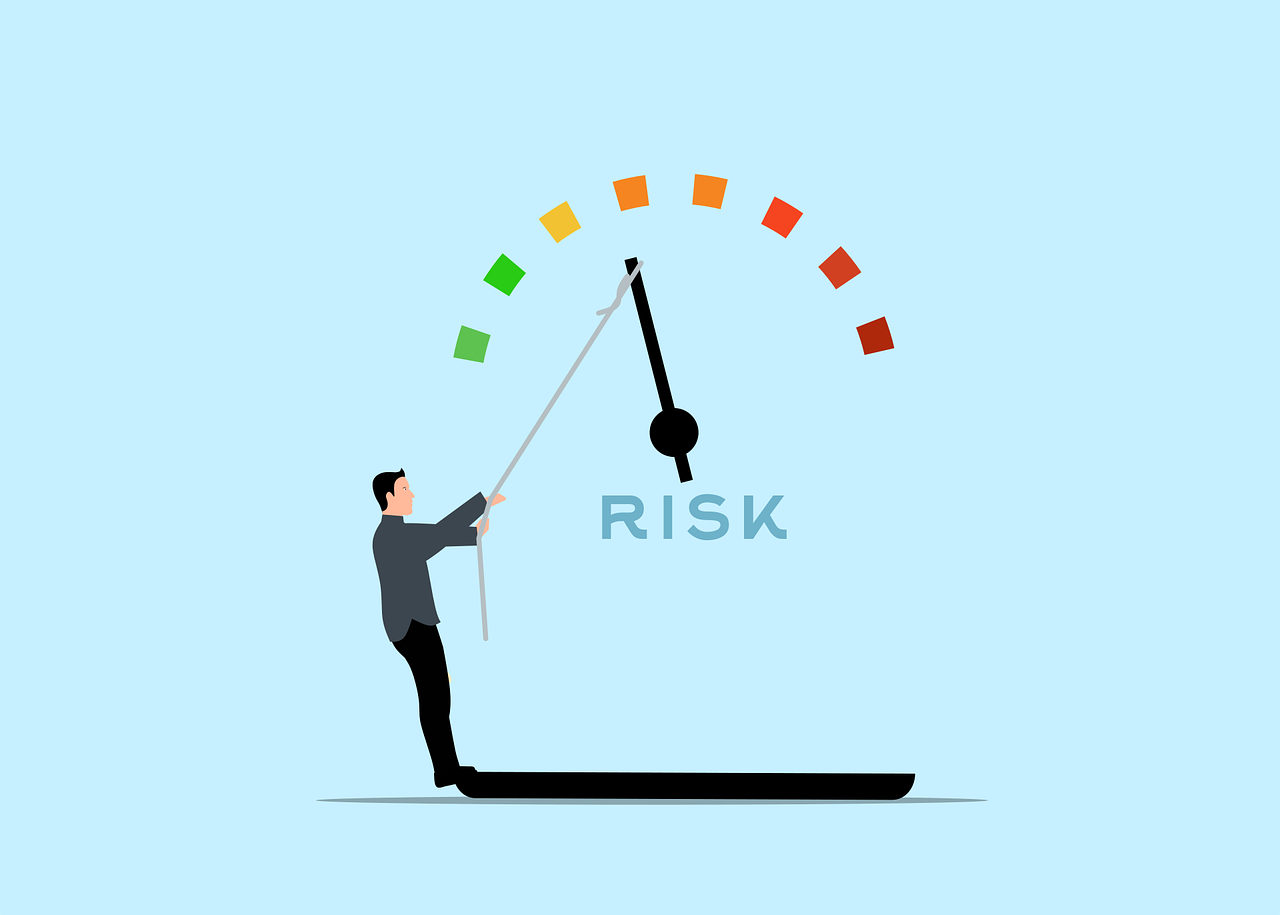

Aligning Risk Appetite Frameworks with Business Continuity Planning
The alignment of Risk Appetite Frameworks (RAF) with Business Continuity Planning (BCP) is essential for organizations aiming to navigate uncertainties. A well-defined RAF enables organizations to determine what level of risk they are willing to accept in pursuit of their strategic objectives. On the other hand, BCP ensures that the mission-critical functions remain operational during unforeseen events. Integrating these two frameworks enhances resilience, allowing businesses to make informed decisions regarding potential disruptions. To establish an effective alignment, it is paramount that leadership clearly communicates the organization’s risk appetite to all stakeholders. Furthermore, continuous assessments should be conducted to evaluate the current risk exposure against the predetermined risk parameters. Organizations often utilize various tools and methodologies, such as risk registers and scenario planning, to facilitate this integration. In doing so, they enhance their ability to respond promptly and effectively to crises, thus not only safeguarding assets but also protecting their reputation. Moreover, it fosters a culture of preparedness, ensuring that all levels of the organization understand their role in risk management and continuity operations. Such alignment ultimately contributes to a more proactive and sustainable business approach.
For effective implementation, organizations need to integrate the RAF into the BCP processes systematically. This demands a thorough understanding of organizational risks and the potential impacts on operations. It is essential to identify and map out critical business functions and potential risks associated with each. By doing so, organizations can prioritize resources more effectively when disruptions occur. The collaboration between risk management and continuity planning teams enhances agility in response strategies. This integration promotes cohesive communication channels that disseminate relevant information swiftly during a crisis. Another beneficial approach is conducting regular drills and simulations to equip teams in handling risky situations, promoting a culture of awareness and responsiveness. Additionally, organizations can leverage technology to monitor identified risks actively. Advanced software solutions provide real-time data and analytics, offering insights necessary for an agile response. The use of dashboards that reflect both risk appetite and operational performance creates a holistic view of the organization’s status. This facilitates better decision-making, ensuring organizational resilience. By adapting quickly to changing circumstances, businesses can reduce downtime, maintain customer trust, and ultimately secure enduring operational success through well-aligned RAF and BCP methodologies.
The Benefits of Integration
Integrating Risk Appetite Frameworks with Business Continuity Planning yields numerous advantages, including enhanced decision-making and improved resource allocation. When organizations align these frameworks, they establish a clearer understanding of their risk tolerances, allowing them to make strategic choices reflecting their capacity for risk-taking. Improved decision-making is crucial during high-pressure situations where swift actions can mitigate potential damage. This alignment also reinforces the organization’s commitment to maintaining operational resilience. As businesses navigate increasingly complex environments, fostering adaptability is critical for success. Furthermore, aligning these frameworks helps organizations to identify gaps in their risk management practices, offering opportunities for growth. Continuous improvement is facilitated through feedback loops that result from evaluating practices and outcomes. An organization that employs an integrated approach significantly increases its ability to respond effectively to crises while safeguarding its reputation and stakeholder trust. Moreover, the alignment allows businesses to comply with regulatory requirements more effectively, reducing the likelihood of incurring penalties. In today’s dynamic market, businesses must not only survive but thrive; hence, risk appetite alignment with business continuity becomes a strategic imperative rather than a reactive measure.
Another vital aspect to consider in the integration process is the role of stakeholder engagement and communication. Stakeholders encompass various internal and external parties, including employees, customers, suppliers, and regulators. Actively involving these stakeholders facilitates better alignment and fosters a sense of shared ownership. Transparent communication regarding risk appetite, expectations, and continuity plans plays a significant role in building trust. Organizations should ensure that stakeholders understand their roles during disruptions and that expectations are set clearly. It is also beneficial to establish feedback mechanisms, allowing stakeholders to contribute to the evolution of the RAF and BCP frameworks. Stakeholder involvement leads to improved resilience, as input from diverse perspectives can highlight potential blind spots or share lessons learned from past experiences. Creating a culture that values feedback empowers all levels of the organization to contribute meaningfully to risk management strategies. Furthermore, incorporating insights from stakeholders can lead to innovative solutions that align with the organization’s risk appetite. Therefore, fostering ongoing engagement is essential, ensuring preparedness and effective responses during crises, ultimately enhancing the overall success of BCP initiatives.
Challenges in Implementation
Despite the numerous benefits of aligning Risk Appetite Frameworks with Business Continuity Planning, organizations may face challenges during implementation. One common obstacle is the siloed nature of traditional organizational structures. Departments may operate independently, leading to a lack of alignment and communication between risk management and continuity planning teams. Overcoming this requires a cultural shift that encourages collaboration among teams. Another challenge lies in the variability of risk assessments. Different departments may have different perceptions of acceptable risk, complicating the alignment process. Establishing standardized metrics for assessing risk across the organization is essential for consistency. Additionally, resource constraints can hinder the timely execution of both RAF and BCP initiatives. Limited budgets or personnel can impede the implementation of necessary training and preparedness exercises. Organizations must prioritize facilitating investments in risk management and continuity planning to overcome such barriers. Finally, the rapidly evolving nature of risks, including cybersecurity and global challenges, necessitates a dynamic approach. Organizations must adopt an agile mindset, allowing flexibility to adjust to new threats swiftly. Tackling these challenges head-on will enable organizations to successfully integrate their RAF and BCP frameworks, enhancing resilience and overall operational efficacy.
Continuous improvement is a fundamental concept when aligning Risk Appetite Frameworks with Business Continuity Planning. Organizations must regularly review and update their risk assessments and continuity strategies to respond effectively to emerging threats. Conducting post-incident reviews after crises can shed light on areas needing enhancement. Incorporating lessons learned into revised planning ensures the organization is better prepared for future disruptions. Additionally, the incorporation of technological advancements can significantly aid in achieving continuous improvement. Leveraging data analytics enables organizations to identify trends and patterns through real-time monitoring, facilitating proactive responses. Furthermore, ongoing training and development opportunities for employees can instill a culture of continuous learning and adaptability. Equipping staff with current knowledge and skills allows them to respond to disruptions with confidence and composure. Moreover, fostering a mindset of innovation encourages teams to explore alternative approaches to risk management and continuity planning. Such an environment leads to creative solutions that ultimately enhance resilience. In summary, the ongoing commitment to refining RAF and BCP practices will ensure that organizations remain agile and responsive in an ever-evolving business landscape, preparing them for unforeseen challenges.
Conclusion
The alignment of Risk Appetite Frameworks with Business Continuity Planning is crucial in facilitating organizational resilience. By fostering a culture of transparency, collaboration, and continuous improvement, businesses can enhance their ability to respond effectively to disruptions. Engaging stakeholders and establishing clear communication channels are vital components of this integration. To thrive in a volatile environment, organizations must recognize the dynamic nature of risks and remain adaptable. Furthermore, leveraging technology to monitor and analyze risks fosters a proactive approach, enabling organizations to make informed decisions when needed. A strong alignment between RAF and BCP not only supports operational continuity but also contributes positively to stakeholder satisfaction and organizational reputation. Companies that prioritize this alignment positioned themselves for long-term success and sustainability. Ultimately, fostering a culture that embraces these principles will create a resilient organization prepared for any eventuality. Future-focused businesses will see the integration of risk appetite and continuity planning as an investment in their future, allowing them to thrive despite the uncertainties of today’s business landscape. Investing time and resources into this alignment is essential for any organization aspiring to ensure stability and growth.
In conclusion, integrating Risk Appetite Frameworks with Business Continuity Planning not only enhances resilience but also drives organizational success. Organizations that recognize the significance of this alignment are better equipped to navigate challenges, fostering a proactive mindset toward risk management. Businesses can ensure operational continuity and sustain stakeholder trust by prioritizing collaboration, communication, and continuous improvement. A well-integrated framework enables informed decision-making, optimized resource allocation, and agility in response to crises. By employing strategies that encourage stakeholder engagement and utilizing technology, organizations can create a comprehensive understanding of their risk landscape. Ultimately, businesses that view this integration as a core strategy position themselves to thrive in an ever-changing environment, ensuring long-term success. It is essential that organizations commit to aligning RAF with BCP, creating a holistic approach that protects assets and optimizes potential opportunities. This alignment is no longer just a best practice; it is a strategic imperative in today’s unpredictable world. Thus, the journey of integration should be viewed as an ongoing process, where continuous learning and adaptation become foundational principles driving organizational excellence.