
Can Paying Off Credit Cards Early Affect Your Credit Utilization?
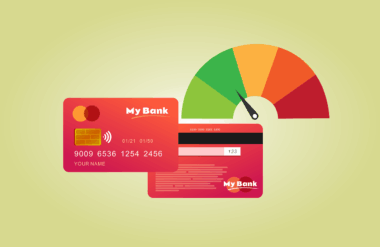
Your credit utilization ratio is a significant factor that impacts your credit score. It is the percentage of your total available credit that you are currently using. If you frequently have high balances, it may suggest to lenders that you’re reliant on credit, which can negatively affect your credit score. Paying off your credit cards early can help keep your utilization ratio low. Credit scoring models typically prefer seeing utilization below 30%, and for the best scores, below 10% is ideal. By managing your balances proactively, you reduce the chances of exceeding these thresholds. Understanding how to manage your credit utilization can empower you to maintain better credit health. One strategy is to increase your credit limit, which can improve your ratio without requiring additional spending. Keeping your credit utilization low, especially if done early in the billing cycle, ensures that you project responsible credit usage to potential lenders and creditors. With the right approach, you can enhance your score significantly over time, which leads to better interest rates and loan terms when borrowing in the future.
Another vital aspect of credit utilization is timing. Your credit card’s utilization ratio is often calculated at the end of your billing cycle, so paying off the balance before the statement closing date can lower your reported utilization. However, it’s essential to note that simply paying off cards doesn’t always result in an immediate benefit to your score. The timing of payments relative to billing cycles can be crucial. Even if you pay down your balance, if your utilization is reported as high at that moment, it may still hurt your score temporarily. To navigate this efficiently, consider mapping out your billing cycles. Synchronizing your payments with your cycle’s end gives you better control over how your credit is utilized. Moreover, remaining mindful of how much credit you have available compared to what you use creates a clear picture for your credit report. Maintaining low utilization consistently over time reinforces your ongoing reliability as a borrower, enhancing your creditworthiness in the eyes of lenders and potentially leading to more favorable credit offers.
There are also numerous misconceptions about credit utilization that deserve clarification. People often believe that closing a credit card will improve their utilization because it eliminates available credit, thus reducing total limits. In reality, this can have the opposite effect, as your utilization ratio depends on total available credit. Closing an account can increase utilization if it raises your usage percentage on remaining accounts. Furthermore, it’s a common myth that it’s acceptable to keep a small balance on credit cards, as many believe that this practice ensures active reporting. In truth, consistently keeping balances can lead to higher utilization levels and potentially trigger interest charges, negating any advantages. A better practice is to pay off balances in full each month, which not only avoids interest but also shows responsible usage. Maintaining a zero-balance status on your cards can reflect positively on your credit score without requiring any ongoing debt. Additionally, never underestimate the power of regularly monitoring your credit utilization, allowing you to adjust your behavior and strategy as necessary to keep within your optimal range.
To further understand the relationship between early credit card payments and utilization, consider the long-term effects on your credit score trajectory. Consistent early payments can lead to a gradual improve in your score over time, increasing your likelihood of securing better loans and credit offers. Even if immediate improvements seem subtle, a long-term pattern of responsible credit behavior compounds positively. Moreover, this practice can create a financial habit that enhances overall budgeting skills, leading to greater financial stability. Additionally, having a strategy regarding credit utilization helps prepare for potential unexpected expenses that might otherwise escalate through high-interest debt. Setting consistent payment reminders can ensure that you never miss a due date, protecting your credit score from fluctuations. Automating payments can be an effective approach to eliminate the risk of default or late payments. This discipline not only protects your credit score but also potentially increases available credit over time by demonstrating low risk to creditors. Consequently, it’s essential to incorporate proactive management of credit utilization as part of a broader strategy for financial health and growth.
Strategies for managing credit utilization go beyond just paying off cards early or on time. It encompasses actively monitoring your accounts for any discrepancies and understanding how different transactions impact your credit score. Regularly checking your credit report can help you identify areas needing improvement and provide insights into your utilization ratio trends. When reviewing your report, pay attention to the open lines of credit you possess and how they factor into your overall utilization. Additionally, utilizing tools offered by credit bureaus can provide personalized insights into your spending and recommend improvements for optimization. Implementing alerts for high balances can help maintain awareness before reaching numbers that could negatively impact your utilization. Knowing when to request a credit increase is also crucial; doing so responsibly can potentially lower your utilization ratio without the need for additional payments. Be cautious though, as too many requests for credit can also briefly impact your score. Balancing all these factors into a cohesive strategy can ensure you maintain healthy credit management practices and make informed financial decisions in the future.
In summary, your credit utilization plays a critical role in your overall credit score health, with early payment strategies serving as a practical approach to positively altering this ratio over time. Staying below 30%, and ideally closer to 10%, is key to fostering improvement in your score. A proactive approach not only involves keeping balances low but also managing the timing of your payments relative to billing cycles. Monitoring your credit report ensures you are aware of how your credit utilization fluctuates, allowing you to adjust your habits accordingly. Furthermore, be wary of common misconceptions around credit card usage and utilization. Understanding that closing accounts can inadvertently increase utilization—rather than decrease it—can prevent missteps in your credit strategies. Establishing a system that includes regular payments, utilization monitoring, and automation protects your credit health while reducing the chances of incurring debt more than necessary. Ultimately, paying off credit cards early combined with strategic practices fosters a sustainable cycle of improved creditworthiness, leading to better opportunities for financial growth. Take action now to ensure that you capitalize on credit opportunities, setting a strong foundation for future financial endeavors.
Your credit utilization is a powerful component of your credit score that can shape your financial future significantly. By employing strategic payment methodologies, especially regarding credit card balances, you’re not just making payments but establishing sound financial practices. Implement these tactics meaningfully, and watch as your credit improves over time, unlocking new financial opportunities like favorable loan terms, credit lines, or housing eligibility. To begin, evaluate how much of your total credit is utilized compared to your available limits, creating a benchmark to measure against as you progress. Regular assessments highlight trends that can inform timely adjustments to your credit behaviors. Make it a point to utilize financial education resources available online or engage in community workshops to further enrich your knowledge about credit management. Deepening your awareness of credit principles leads to improved decision-making when using credit today. Commit to a habit of checking your credit regularly to stay informed about your status. A solid understanding combined with proactive efforts ultimately equips you with the necessary tools to navigate the credit landscape confidently and effectively, ensuring healthy credit utilization practices for years ahead.
The content presented may provide insight on how credit utilization efforts imact credit scores, emphasizing responsible strategies to manage credit effectively. Always remember that your financial situation is unique; it may be beneficial to consult with a financial advisor or credit expert to tailor strategies best suited to your individual circumstances and goals. Equipping yourself with knowledge and leveraging various credit usage strategies promotes healthier financial habits. Therefore, identifying missteps and critiquing old habits can effectively position you for a prosperous credit journey. As you navigate the complexities of credit and financial landscapes, trust your instincts while remaining flexible to adapt to changing conditions. Always look to improve, as even small changes can lead to significant long-term results.