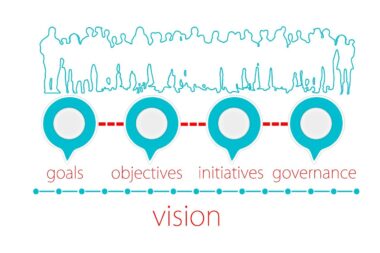

Corporate Social Responsibility Training: Building Awareness and Commitment
Corporate social responsibility (CSR) training is an essential component for businesses striving to cultivate ethical practices and enhance their community impact. By implementing CSR training, organizations can foster a culture of integrity and encourage employees to become advocates for social responsibility. This proactive approach not only addresses environmental and social issues but also aligns corporate strategies with ethical frameworks. Training programs should aim to educate staff about the principles of CSR, exploring topics such as sustainability, corporate governance, and ethical decision-making. Participants should engage in interactive workshops that empower them to reflect on their roles and responsibilities within their organization. Furthermore, the training should highlight the importance of stakeholder engagement and how businesses can positively influence their surrounding communities. In today’s globalized environment, companies are increasingly held accountable for their actions. Therefore, CSR training is not merely about compliance but rather about commitment to ethical principles that transcend profit-making. Employees trained in CSR will be better equipped to identify ethical dilemmas and propose sustainable solutions that can benefit both the organization and society.
The development of a robust CSR training program requires a structured approach that begins with identifying the core values and ethical standards of the organization. A clear vision and mission statement can serve as foundational elements to guide training initiatives. It is vital to involve leadership in the CSR training process, as their commitment is crucial for cultural change within the organization. Engaging senior management in program design can ensure that the training resonates with the overall business strategy. Additionally, incorporating real-life case studies can enhance participants’ understanding of CSR concepts. These case studies should illustrate successful CSR initiatives, both from their industry and beyond, to inspire individuals. Regular assessments and feedback mechanisms can also be implemented to measure the effectiveness of the training. Continuous improvement ensures that training stays relevant amid evolving societal expectations. Organizations must adapt their CSR training to reflect shifts in stakeholder needs and emerging global challenges, such as climate change. Ultimately, effective CSR training empowers employees to take proactive steps toward embedding social responsibility in daily operations, fostering a stronger commitment to ethical practices throughout the organization.
The Role of Leadership in CSR Training
Leadership plays a critical role in the success of CSR training programs, as their involvement can significantly influence employee engagement and adoption of ethical practices. Leaders must demonstrate their commitment to CSR by actively participating in training sessions and sharing their own experiences. When employees see leaders prioritizing CSR, they are more likely to follow suit and integrate these values into their work. Leaders can also act as mentors, guiding employees in ethical decision-making and CSR initiatives. Regular communication about CSR goals and achievements can foster transparency and accountability within the organization. Furthermore, recognizing employees for their contributions to CSR initiatives can motivate the entire workforce to embrace these principles. Managers should encourage open discussions about CSR during team meetings, creating a platform for sharing ideas and inspiring innovation. Training should also address the impact of CSR on the organization’s reputation, emphasizing the business case for social responsibility. Understanding the link between CSR and corporate performance is essential for staff to appreciate its importance fully. Leaders should leverage their influence to nurture a culture of awareness and commitment to CSR throughout the organization effectively.
Moreover, effective CSR training encourages collaboration among employees across different departments and levels within the organization. By breaking down silos, employees can work together on CSR initiatives that align with the company’s values and goals. This interdisciplinary approach ensures that diverse perspectives are considered when developing and implementing CSR strategies. Regular cross-departmental workshops can enhance communication and promote shared ownership of CSR efforts. It is crucial to involve employees in the decision-making process regarding CSR initiatives, allowing them to voice their concerns and ideas. This participatory approach fosters a sense of belonging and accountability, wherein staff feel their contributions directly impact the company’s CSR endeavors. Additionally, fostering partnerships with external stakeholders, such as community organizations and non-profits, can enhance the training experience. Collaborating on CSR projects can offer employees hands-on experiences that deepen their understanding of social responsibility. Ultimately, fostering a collaborative workspace encourages employees to innovate and leads to more impactful and sustainable CSR initiatives. Training must also emphasize the importance of evaluating the measurable outcomes of these projects to ensure continuous improvement.
Implementing Effective CSR Training Strategies
Implementing effective CSR training strategies involves a strategic blend of theoretical knowledge and practical applications. First, organizations should conduct an assessment of their current CSR initiatives to identify strengths and areas for improvement. This assessment can help tailor training content to meet the specific needs of the organization and its employees. Training sessions can incorporate interactive elements such as group discussions, role-playing, and simulations to engage participants actively. Utilizing technology, such as online learning platforms and webinars, can also increase accessibility and participation in CSR training. Furthermore, incorporating various learning styles, such as visual and auditory, ensures that the training caters to the diverse needs of participants. Companies should encourage continuous learning by providing resources, such as articles, videos, and industry reports, that employees can access beyond the initial training sessions. Regular refresher courses can help maintain awareness of CSR principles as the field evolves. Feedback from participants is invaluable for refining training programs and should be collected systematically. This iterative process helps ensure that CSR training remains relevant and effective in promoting social responsibility within the organization.
The evaluation of CSR training effectiveness is a crucial aspect of the process that is often overlooked. Organizations should establish clear metrics for measuring the impact of CSR training on employee behavior and the overall corporate culture. These metrics may include surveys assessing employee knowledge of CSR initiatives, changes in engagement levels, and the completion of CSR-related projects. Regularly tracking these metrics can provide valuable insights into the effectiveness of training programs. Moreover, conducting follow-up interviews or focus groups can reveal in-depth qualitative feedback on how training has influenced employees’ perspectives on CSR. This information can help identify gaps in knowledge or areas that need further emphasis in future training sessions. Recognizing progress and celebrating achievements related to CSR can also encourage ongoing commitment from employees. Sharing success stories within the organization can demonstrate the tangible benefits of CSR efforts. It is important to communicate that CSR is an evolving journey rather than a one-time training event; ongoing engagement is necessary for sustainable cultural change. Ultimately, a comprehensive evaluation leads to continuous improvement in CSR training programs, enhancing the organization’s commitment to social responsibility.
The Future of CSR Training
As businesses continue to grow and evolve, the future of CSR training will undoubtedly reflect the changing landscape of corporate responsibility. Emerging trends, such as tech-driven sustainability initiatives and social equity, will shape the content and delivery of training programs. Companies are increasingly recognizing the importance of making CSR a core aspect of their business strategies, not merely an afterthought. Training will need to adapt to integrate these evolving topics, ensuring that employees are prepared for the future of work. Virtual reality and augmented reality are becoming valuable tools in training environments, allowing employees to immerse themselves in CSR scenarios and comprehend real-world challenges. Moreover, as millennials and Generation Z assume more significant roles in the workforce, their expectations for ethical business practices will pressure organizations to prioritize CSR. Training programs will increasingly emphasize sustainability and social justice, reflecting these younger generations’ values. Collaborations between businesses and educational institutions may enhance CSR training by providing specialized programs that prepare future leaders for social responsible careers. The commitment to CSR training will ultimately be vital in creating a more sustainable and equitable world, driving businesses toward shared responsibility and community engagement.
Continuous engagement in CSR initiatives not only enhances a company’s social impact but also strengthens its brand loyalty and customer relationships. Today’s consumers are becoming more aware of the ethical implications of their purchasing decisions. As a result, they are more likely to support companies that align with their values and demonstrate genuine commitment to social and environmental causes. Engaging in CSR initiatives can significantly enhance a brand’s reputation, ultimately leading to a more loyal customer base. Transparency regarding CSR efforts also plays a vital role in building trust with consumers. By regularly communicating their CSR activities, organizations can create stronger relationships with stakeholders and enhance their overall reputation. Employees who receive comprehensive CSR training may contribute to more effective customer engagement. Understanding CSR better enables employees to articulate the organization’s social and environmental impact to customers effectively. Additionally, a company’s visible commitment to CSR can act as a strong recruiting tool, attracting talent that shares these values. By fostering a culture of social responsibility, businesses can create a more motivated workforce. The continued focus on CSR will significantly shape the future landscape of corporate ethics and social accountability.