
Integrating AI with Workflow Automation for Smarter CRM Solutions
The integration of artificial intelligence (AI) into workflow automation is revolutionizing the landscape of customer relationship management (CRM). Today’s organizations are relying on AI to streamline various processes, improving efficiency and reducing operational costs. By automating routine tasks, businesses can focus more on engaging with their customers, leading to better relationship management. Customer service agents, for instance, can leverage AI-powered chatbots to handle repetitive inquiries, allowing them to devote time to complex issues that require human touch. Moreover, AI can analyze customer interactions and identify patterns, enabling businesses to tailor their approaches. The result is a more personalized and impactful customer experience, creating loyal client relationships. Furthermore, automating workflows with AI helps ensure that organizations can respond immediately to customer needs and preferences. Businesses that successfully integrate AI into their workflows significantly enhance productivity and customer satisfaction. However, achieving this integration requires strategic planning and effective execution. Organizations need to evaluate their specific needs and capabilities to choose the right AI solutions that will complement their existing processes seamlessly.
The Benefits of AI-Driven Workflow Automation
One of the main benefits of using AI in workflow automation for CRM is its capacity to increase operational efficiency. By automating manual tasks, businesses enable employees to concentrate on more valuable work. For example, using AI to sort and prioritize leads can significantly speed up the sales process. A well-implemented automation strategy helps eliminate human error, which is particularly detrimental in high-stakes environments. Additionally, automated workflows provide transparency in processes, allowing for better tracking of customer interactions and history. This aspect is crucial for evaluating how well the CRM system serves customers. AI tools can also provide insights generated from data analytics, allowing businesses to make more informed decisions about marketing and service. Integrating AI also means organizations can scale their operations without additional strain on resources. As customer demands grow, the automated system can adapt and manage larger volumes of interactions with less manual input. The commitment to continuous improvement is vital in creating successful CRM systems. Therefore, adopting AI-driven automation technologies could result in sustainable growth and enhanced customer satisfaction.
Challenges in Integrating AI with CRM
Despite the numerous benefits, integrating AI with workflow automation within CRM presents some challenges. The first hurdle many organizations face is the initial investment required for AI technologies. This can include software, hardware, and training for staff to adapt to new workflows. A lack of expertise in AI and data management may cause delays and inefficiencies in implementation. Furthermore, companies might struggle with data inconsistencies, affecting AI performance. Accurate and clean data is essential for any effective AI model. Poor-quality data leads to misleading insights, which can mar customer interactions. Another challenge is ensuring the human element is not completely lost in the automation process. Organizations must strike a balance between automation’s efficiencies and the personal touch that customers value. Moreover, adapting corporate culture to embrace AI-driven processes can take time and require change management strategies to get employees onboard. Ultimately, identifying these obstacles and planning accordingly can facilitate smoother transitions into AI-enhanced workflows and CRM systems.
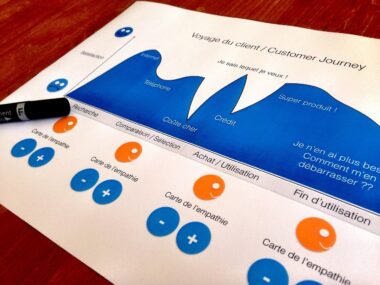
To effectively implement AI within CRM, organizations need strategic planning that assesses both current processes and future goals. This begins with a thorough analysis of specific business needs, including identifying pain points and opportunities for automation. Understanding customer journeys is essential, as it helps tailor AI solutions to enhance the experience. For instance, deploying AI to gather customer feedback can provide insights for product development and service enhancement. Implementation should be gradual, allowing for adaptation and modifications based on early performance metrics. Furthermore, regular training and support for employees involved in the CRM system are crucial to ensure the smooth functioning of automated workflows. Continuing education on AI advancements keeps teams updated and informed on best practices. Integrating feedback mechanisms encourages constant improvement and fosters a culture of innovation. As organizations gradually evolve, they can refine their AI systems to provide even better support for customers. This approach ultimately creates a responsive and agile CRM framework capable of meeting ever-changing customer needs effectively.
Future Trends in AI and CRM Workflow Automation
The future of AI and workflow automation in CRM promises further advancements and opportunities. One trend to watch is the growing sophistication of AI algorithms that predict customer behavior with greater accuracy. This predictive capability will enable organizations to proactively address customer needs and generate leads more efficiently. Additionally, the integration of AI with social media platforms will allow companies to engage customers seamlessly across various channels. Enhanced customer segmentation through machine learning will pave the way for more targeted marketing campaigns and improved retention strategies. Moreover, voice-activated technology is set to become a significant facet of CRM automation. Siri, Alexa, and similar technologies streamline workflows by allowing customers to interact linguistically rather than through traditional interfaces. Another trend involves hyper-personalization, offering customized experiences for each customer based on their unique preferences and interactions. Companies that harness these trends can enhance their competitive edge significantly. Organizations are encouraged to remain vigilant and adaptable as new innovations emerge, enabling them to leverage the full potential of AI-driven CRM strategies.
The importance of evaluating ethical considerations during AI integration into workflow automation cannot be understated. As technologies evolve, organizations must ensure that customer privacy and data security remain paramount. This includes complying with regulations such as GDPR and CCPA that impose strict guidelines on data handling practices. To build customer trust, businesses should clearly communicate privacy policies and either anonymize data or secure informed consent. Transparency about how AI is utilized strengthens customer relationships. Moreover, organizations need to address potential biases in AI algorithms that can influence customer interactions and decision-making processes. An ethical approach to AI will foster positive public perception and could enhance customer loyalty. In addition, companies should invest in training and awareness for employees on ethical AI deployment. By doing so, organizations can cultivate a responsible AI culture, ensuring fairness and equity in their processes. Ethical considerations are a vital part of workflow automation—balancing technological advancement with social responsibility assures customers that their data is treated with respect. This balance, when managed correctly, leads to stronger, more sustainable customer relationships.
Finally, monitoring and analyzing the performance of AI-enhanced workflows is crucial for long-term success. Organizations should develop metrics and KPIs designed for automation initiatives, assessing areas such as efficiency, customer satisfaction, and ROI. Regular audits can help identify emerging trends and areas for improvement in the AI implementation process. The feedback loop from data collection is invaluable for refining AI algorithms, allowing businesses to make informed adjustments and enhance overall performance. Additionally, organizations can leverage customer feedback to identify gaps in service and innovation opportunities. Integrating feedback ensures alignment between customer needs and business offerings, fostering loyalty. As AI technologies rapidly develop, organizations must remain agile, ensuring ongoing adaptability of their CRM strategies. Using analytics to guide decision-making will empower businesses to stay ahead of competitors. Commitment to continuous improvement and responsiveness will solidify an organization’s position in the market. Thus, nurturing the relationship between automation, AI technologies, and CRM principles not only enhances functionality but ultimately drives business success and customer satisfaction.
In Conclusion
Integrating AI with workflow automation can markedly improve CRM efforts for businesses across industries. This integration enhances efficiency, personalizes customer experiences, and ultimately leads to greater satisfaction and loyalty. However, companies must navigate challenges, maintain ethical standards, and adapt to new technologies continually. Progressive organizations that recognize the potential of AI will benefit from innovative strategies and methodologies. By embracing AI-driven workflow automation, they can cultivate stronger relationships with customers, ensuring long-term success. Thus, the journey towards smarter CRM solutions is not merely about technology but also about adopting a holistic, customer-centric approach. This shift will create opportunities for deeper engagement and meaningful connections between businesses and customers.