
Secured vs. Unsecured Personal Loans: Which is Better?
Understanding the distinctions between secured and unsecured personal loans can significantly impact your financial decisions. Secured loans are backed by collateral, such as a car or house, making them less risky for lenders. This collateral lowers the lender’s risk, often resulting in lower interest rates and more favorable terms for borrowers. On the other hand, unsecured loans are not backed by collateral, which means they carry higher risks for lenders and consequently higher interest rates for borrowers. Each type of loan has its unique advantages and disadvantages, and it’s essential to evaluate your personal financial situation when choosing between them. For those in need of quick financing with lower amounts, unsecured personal loans can provide immediate access to cash without worrying about losing assets. Conversely, if you possess valuable collateral and can afford the risk, a secured loan could be a wise choice. Before making a decision, consider factors like interest rates, repayment terms, and your ability to provide collateral. Both loans can be effective, but your circumstances will dictate the best option for you.
The Advantages of Secured Loans
Secured loans offer numerous advantages that appeal to borrowers looking for financial support. One of the primary benefits is the lower interest rates, as lenders face less risk with collateral backing their investment. This means that you could save significantly over the life of the loan if you opt for a secured loan. Additionally, secured loans often come with higher borrowing limits since the lender’s risk is mitigated by the collateral. For individuals planning major expenditures like home improvements or consolidating debt, this feature can be particularly advantageous. Furthermore, secured loans may improve your chances of being approved, especially if you have a less-than-perfect credit score. The presence of collateral can reassure lenders, making them more willing to extend a loan. When considering a secured loan, it’s crucial to assess the value of your collateral and ensure that you can make the required payments. Failure to repay could result in losing your assets. Always weigh your options carefully before proceeding to ensure they align with your financial goals.
Understanding Unsecured Loans
Unsecured loans provide a different approach to borrowing that can be appealing to many individuals. Unlike their secured counterparts, unsecured loans do not require collateral which means borrowers do not risk losing their assets if they default. This makes unsecured loans attractive for those who may not have valuable assets to pledge or prefer not to risk their belongings. However, it is crucial to recognize that this convenience usually comes at a cost, namely higher interest rates and stricter credit requirements. Lenders perceive unsecured loans as higher risks; therefore, they tend to charge more for the privilege of lending without collateral. When seeking a loan without collateral, individuals should focus on improving their credit score to enhance their chances of approval and secure better terms. Unsecured loans are widely used for personal expenses, such as financing a wedding, covering vacations, or tackling unexpected bills. Additionally, they often have quicker approval processes, which cater to those in need of urgent financial assistance. Being knowledgeable about the terms and conditions of an unsecured loan is vital before signing any agreements.
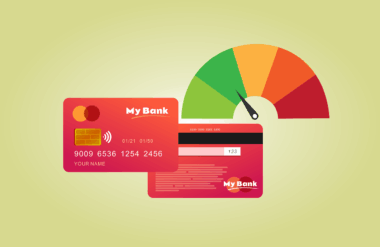
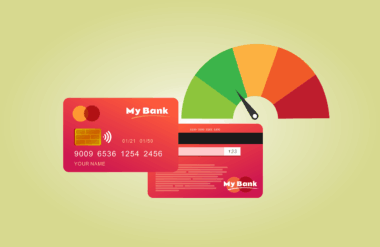
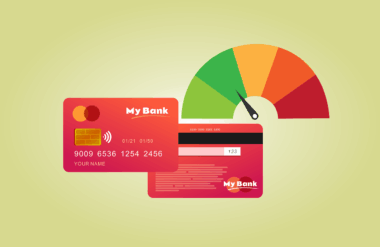
The impact of credit scores plays a significant role in determining your borrowing options, whether you choose a secured or unsecured loan. Lenders assess credit scores to gauge a borrower’s risk, and this can have implications for interest rates and approval chances. Generally, individuals with higher credit scores can access more favorable loans, including lower rates for both secured and unsecured options. Conversely, a low credit score can limit your borrowing abilities, leaving you with fewer options. With secured loans, lenders may still consider your credit score, but the presence of collateral can sometimes offset a poor credit history. However, for unsecured loans, a strong credit score becomes even more critical because lenders heavily rely on it for risk assessment. Borrowers with good credit can often negotiate better rates and terms, which is beneficial for long-term financial health. Always be proactive in managing and improving your credit score, regardless of the loan type you choose. This can lead to significant savings and better overall borrowing experiences.
Choosing between secured and unsecured personal loans ultimately depends on your individual circumstances and financial goals. When making this choice, it’s critical to analyze your financial situation, as well as the reasons you need the loan. If you seek a lower interest rate and have valuable collateral, then a secured loan may be the better option. However, if you prefer flexibility and are unwilling to risk your assets, then an unsecured loan could be the right fit. Additionally, the repayment term is an essential factor to consider. Secured loans often come with longer repayment terms, while unsecured loans might have shorter durations. Make sure to outline a realistic repayment plan to avoid complications down the road. It is also prudent to shop around and compare different lenders and loan options to ensure you get the best deal. Researching terms, interest rates, and any fees is vital in making an informed choice. A conscious effort to understand the dynamics of both secured and unsecured loans will empower you to make choices that align with your financial future.
Another crucial point to consider is the potential risks associated with each loan type. Secured loans may seem appealing due to their lower rates, but they come with the inherent risk of losing the pledged collateral in case of default. This risk can result in catastrophic financial consequences, especially if the collateral is of significant value, such as your home. On the other hand, unsecured loans, while they do not risk assets directly, can still lead to negative impacts on your credit score if payments are not managed responsibly. Diligently adhering to payment schedules is essential, regardless of the loan you choose. It’s worth mentioning that personal loans typically require straightforward documentation and financial proof, making the application process relatively simple. To avoid making hasty decisions, it is suggested to consult with financial experts or advisors who can guide you with tailored advice through the decision-making journey. Proper planning, consideration, and research are key strategies, ensuring individuals make the most suitable choice for their financial needs.
In conclusion, determining whether a secured or unsecured personal loan is better for your unique situation requires careful thought and analysis. Both options present their own sets of advantages and drawbacks, where the best choice hinges on aspects such as collateral availability, credit score, and financial goals. Secured loans offer lower rates and higher borrowing limits due to reduced risk for lenders, while unsecured loans provide flexibility without risking assets, albeit with higher costs. Being insightful about the nuances of each type of loan empowers borrowers to make sound financial decisions. An essential part of this process includes thorough research, understanding the implications of borrowing, and considering the long-term consequences of loan repayment. As you look into your personal loan options, take the time to assess your financial situation and needs, making choices that support your economic well-being. Making informed financial choices will put you on the path to success. Strive to understand all terms, rates, and potential risks before agreeing to any loan, ensuring that you secure a financially stable future.