
Smart Cities: Integrating Technology into Urban Economics
As urbanization accelerates globally, the concept of smart cities emerges as a compelling solution. Integrating technology into urban economics can significantly optimize resource allocation, improve city services, and enhance quality of life. Smart cities utilize digital technology to streamline infrastructure, manage resources efficiently, and promote sustainable development. One major component of a smart city is its focus on big data analytics, which allows local governments to make informed decisions based on real-time information. This results in improvements in public transportation, waste management, and energy efficiency. For instance, citizens can access data on public transport schedules and delays via mobile apps, allowing them to plan their journeys better. Moreover, smart grids equipped with sensors and meters enable utilities to monitor energy consumption dynamically, thereby reducing wastage. Effective technology integration can also facilitate public participation in urban planning, allowing residents to voice opinions through digital platforms. In conclusion, smart cities present a sustainable model, merging technology with urban planning to enhance economic resilience and environmental sustainability. Stakeholders must work collaboratively to ensure success in this transformative urban approach.
The Role of Data in Smart Cities
Data plays a pivotal role in developing smart cities, influencing various aspects of urban economics. The real-time collection and analysis of data help enhance public services, allowing policymakers to understand trends and identify needs. For instance, traffic management systems use data analytics to monitor vehicular flow, which minimizes congestion and optimizes travel times for commuters. Additionally, data-driven insights can lead to better urban design choices, allocating resources effectively to high-demand areas. The integration of the Internet of Things (IoT) devices further aids in collecting data across different city operations, ensuring seamless communication between various systems. This interconnectedness brings forth benefits such as improved emergency responses and better utility management. Moreover, public health can benefit via smart health initiatives, where data is used to monitor disease outbreaks and improve healthcare delivery. Furthermore, encouraging citizen participation in providing data can create a community-centric approach, fostering trust and transparency. Ultimately, the innovative use of data empowers cities to adapt and thrive in the face of economic challenges, positioning them to harness opportunities in the digital age for enhanced urban living.
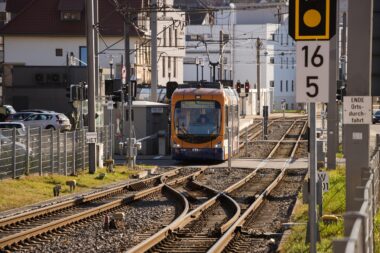
Public transportation is one of the most critical components of smart cities since it directly influences economic activity and urban planning. With the integration of technology, cities can develop more efficient transit systems that accommodate growing populations and reduce environmental impact. Innovative technologies such as mobile ticketing and real-time tracking enhance the commuting experience, making public transport a more attractive option compared to personal vehicles. Additionally, smart infrastructure, including interconnected traffic signals and adaptive traffic control systems, can greatly improve the flow of urban traffic. This advanced mobility system reduces not only travel times but also carbon emissions, aligning with green initiatives. Cities can expand their public transport networks, offering better accessibility to underserved areas while reducing reliance on fossil fuels. As cities develop their transportation strategies, it’s vital that policymakers consider the economic implications, such as increased job accessibility and neighborhood revitalization. Furthermore, integrating multiple modes of transit, including biking and walking paths, can contribute to an overall more sustainable urban environment. Consequently, efficient public transit is a cornerstone in forming successful smart cities, transforming urban economics for the better.
Energy Efficiency and Sustainability
Energy efficiency and sustainability must be at the forefront of urban economic strategies as cities transition to smart approaches. By integrating renewable energy sources and energy-efficient technologies, cities can not only reduce costs but also enhance their environmental footprint. Smart buildings equipped with advanced energy management systems facilitate real-time monitoring of consumption patterns, leading to reduced waste and significant cost savings for residents and businesses. Furthermore, cities that invest in renewable energy infrastructure—such as solar panels and wind turbines—can minimize reliance on non-renewable sources, creating a cleaner and more sustainable urban landscape. Innovations such as district energy systems enable shared heating and cooling solutions, fostering collaboration among multiple buildings and reducing overall energy demand. Moreover, the impact of green spaces cannot be understated; urban parks and gardens contribute significantly to air quality and overall well-being. Implementing policies that incentivize energy-efficient practices such as retrofitting older buildings can also drive participation from private sectors. Consequently, the synergy between energy efficiency, sustainable technology, and urban economics is essential in building communities resilient to climate change and economic fluctuations.
Smart waste management systems represent another essential facet of urban economics in smart cities. These systems employ technology to optimize waste collection and recycling processes, ultimately leading to reduced operational costs and environmental impacts. For example, smart bins equipped with sensors can signal when they are full, which streamlines collection routes for waste management teams. This not only saves time and resources but also minimizes unnecessary truck traffic. Moreover, cities can implement waste-to-energy technologies, converting landfill waste into renewable energy, thereby addressing energy demands. Innovations like these encourage higher recycling rates and foster a culture of environmental consciousness among residents. In addition, data analysis plays a vital role in understanding waste generation patterns and enhancing recycling programs tailored to community needs. Collaboration between municipalities and technology firms is crucial for developing these advanced waste management solutions. Furthermore, public awareness campaigns can assist in disseminating information regarding proper disposal methods and recycling benefits. In summary, integrating smart waste management into the urban fabric promotes sustainable living while stimulating economic growth, driving cities towards a greener future that benefits all residents.
Economic Development and Innovation
Smart cities foster economic development through innovation, entrepreneurship, and technology-driven initiatives. By creating an ecosystem that supports startups and small businesses, cities can attract talent and investment. Co-working spaces, technology hubs, and innovation centers provide resources and networking opportunities for entrepreneurs looking to launch their ideas. Moreover, investments in research and development can lead to groundbreaking solutions in various sectors, promoting overall economic growth. Collaboration between educational institutions, corporations, and government entities stimulates knowledge-sharing, empowering communities to innovate in response to emerging challenges. By facilitating access to funding and improving digital infrastructure, cities can enable local businesses to thrive in a competitive market. Additionally, smart city initiatives often attract companies specializing in technology, boosting employment opportunities and diversifying the local economy. Partnerships with private enterprises can also lead to infrastructure improvements, impacting socioeconomic conditions for residents. Moreover, diversifying economic activities creates a resilient urban environment, one capable of withstanding economic fluctuations. In essence, nurturing a culture of innovation within smart cities is crucial for sustainable economic development and long-term prosperity.
The importance of citizen engagement in smart city initiatives cannot be overstated. Engaging residents in decision-making fosters a sense of ownership, ensuring that urban development meets community needs. Utilizing technology such as mobile apps and online platforms enables residents to voice their opinions, report issues, and provide feedback on services. Collaborative platforms can allow citizens to prioritize projects that they believe will enhance their quality of life. Furthermore, transparency in decision-making helps build trust between authorities and the community. As cities implement new technologies, it’s important to ensure that all demographics are included in the transition to a smart city. Providing access to digital resources and training can ensure that all residents can participate actively. Promoting a culture of inclusivity highlights the importance of equitable access to services and opportunities. Additionally, citizen-led initiatives can lead to innovative solutions tailored to local challenges. Ultimately, successful smart city development hinges on the ability of governments and communities to connect meaningfully as partners, collaboratively shaping urban landscapes that reflect shared visions and aspirations. These efforts will contribute significantly to sustainable development and economic resilience.
Conclusion: The Future of Urban Economics
As the landscape of urban economics evolves, smart cities pave the way for a more sustainable future. By integrating technology into urban planning, cities can optimize resources, enhance citizen engagement, and promote economic development. The collaboration between governmental and private sectors enables the innovation necessary to address contemporary urban challenges. Moreover, the successful implementation of smart city initiatives depends on critical factors, including robust infrastructure, stakeholder engagement, and data-driven decision-making. Furthermore, long-term investments in renewable energy, efficient public transport, and sustainable waste management systems create an economic framework that supports resilience and adaptability. As cities face heightened pressures related to climate change and population growth, embracing smart strategies is vital for achieving sustainable urban environments. For this shift to be successful, continuous learning, community engagement, and investment in innovation are essential. Smart city development stands as a model for future urban planning, emphasizing that technology can be a powerful tool for enhancing quality of life. Ultimately, integrating technology into urban economics not only resolves immediate urban issues but also lays the groundwork for thriving societies that benefit all citizens in their journey toward prosperity.