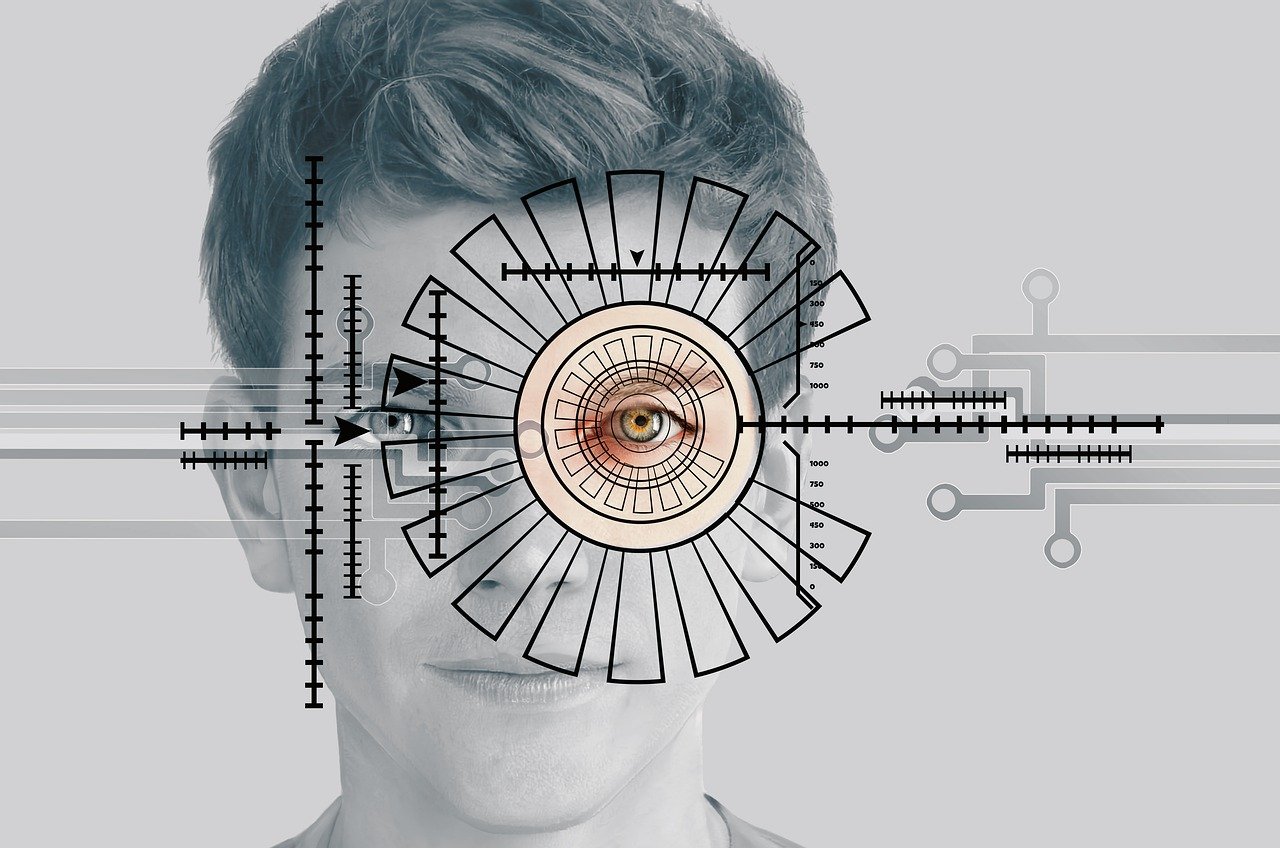

Blockchain-Based Identity Verification in Insurance
In the rapidly evolving landscape of the insurance industry, blockchain technology is offering innovative solutions for identity verification processes. One of the most pressing challenges for insurers is ensuring that they properly identify and authenticate their clients while mitigating fraud risks. With traditional methods often falling short, blockchain provides a more secure and efficient framework. The decentralized nature of blockchain ensures that data is immutable and transparent, thus helping to create a reliable identity verification system. This technology enables the secure storage of clients’ identity information in a distributed ledger that is accessible only to authorized parties. As a result, insurers can streamline the verification process, greatly reducing time and operational costs. Adoption of blockchain can also enhance customer trust, as clients can verify their identities without extensive paperwork or bureaucratic delays. Furthermore, smart contracts can automate various aspects of policy management, ensuring that claims processing is faster and more efficient. Overall, integrating blockchain within insurance serves as a catalyst for a more advanced, user-friendly experience all around.
On the frontlines of implementing blockchain for identity verification, insurance companies are navigating a unique set of challenges and opportunities. The initial integration of blockchain technology requires substantial investment in both time and resources, with companies needing to ensure that existing systems can effectively interface with new technologies. Additionally, regulatory uncertainty surrounding blockchain can complicate deployment strategies. Insurers must carefully study existing laws and compliance guidelines for electronic records and identity verification in their respective regions. Education is also essential as both customers and employees need to be informed about the advantages of blockchain technology. Policyholders must understand how their data remains secure throughout the verification process, which can enhance their comfort with technology adoption. Given that cyber threats are a prevalent concern in today’s digital age, the need for a robust, secure identity verification system has never been more urgent. Companies adopting blockchain can foster a competitive advantage, showcasing their commitment to cutting-edge technology in an evolving market. Embracing these advancements sets the stage for more personalized service and enhanced risk management in the industry.
Benefits of Smart Insurance Policies
In the context of insurance, smart policies built on blockchain can transform how customers interact with their insurance providers. These policies integrate self-executing contracts that automatically trigger actions based on pre-determined conditions. For example, in the event of a claim, smart contracts can verify the customer’s identity through blockchain, ensuring that only genuine claims are processed. This immediate verification helps reduce fraudulent claims that have historically burdened insurers and raised costs for honest clients. Furthermore, by utilizing blockchain, insurers can consolidate and simplify customer interactions, replacing cumbersome paperwork with a seamless digital experience. It not only enhances the user experience but also increases operational efficiency. By supporting real-time data sharing, these systems can adjust coverage dynamically based on changing risk factors, allowing for more tailored policy offerings. Ultimately, smart insurance policies are not just a technological advancement but also a strategic shift towards placing policyholders at the forefront of the insurance process through empowerment and education. This user-centric approach could redefine trust in the industry, attracting a broader customer base eager to engage in forward-thinking services.
As blockchain technology garners wider acceptance across various industries, competition among insurance companies is expected to intensify. Organizations must differentiate themselves by capitalizing on the benefits of blockchain-based identity verification within their claims processes. To stay relevant, insurers could explore forming partnerships with technology providers that specialize in blockchain solutions. Collaborations could lead to more robust systems that effectively capture and secure client data, ensuring both compliance and operational agility. Furthermore, insurance companies that prioritize user education about blockchain technology will likely foster loyalty and increase customer satisfaction, as informed clients are more likely to appreciate the benefits involved. Additionally, as the digital transformation continues, augmenting traditional insurance processes with data-driven insights can lead to improved risk assessments and underwriting processes. Insurers adopting blockchain solutions can deliver personalized offerings that make customers feel appreciated and understood. By refining their operational strategies with these advancements in technology, companies can become pioneers in the insurance space, leading the charge toward a more secure, customer-centric future in the fintech sector.
Challenges and Considerations
Despite the promising benefits that blockchain technology offers for identity verification, several challenges remain for insurance companies to overcome. One significant hurdle is the need for standardization across the blockchain platforms, as various networks might operate using different protocols and frameworks. Consequently, this lack of uniformity could impede seamless data sharing among insurers. Moreover, insurers must choose the right type of blockchain technology—public, private, or consortium—that aligns with their strategic goals and operational needs. Privacy concerns are another critical consideration, as insurers must navigate how to manage sensitive client data while complying with data protection regulations. Implementing blockchain solutions also requires significant transformation for existing processes, which could meet resistance from management and staff accustomed to traditional systems. Furthermore, integrating blockchain with legacy systems presents another layer of complexity. Education and training will be necessary to ensure that staff can navigate these changes and take full advantage of the new technologies. Overcoming these challenges is essential for maximizing the potential that blockchain-based identity verification holds for the future of smart insurance policies.
The insurance industry’s shift towards favorable innovation and technology will undoubtedly shape the design of future policies in unprecedented ways. As blockchain continues to evolve, we may see the advent of new applications designed to enhance customer interactions further. For instance, the potential of biometric data within blockchain frameworks can open gateways for other security measures beyond traditional identity verification. By incorporating multi-factor authentication methods, insurers can improve their identity assurance protocols while providing customers with more peace of mind. Moreover, advances in artificial intelligence (AI) paired with blockchain can assist in analyzing vast amounts of data to derive insights that enhance risk management strategies. This integration may evolve into proactive measures rather than reactive solutions, leading to better claims prediction and prevention strategies. As insurers explore these innovative combinations, the potential for enhanced additions to existing smart policies will only increase. Future-wise, the insurance sector stands at the edge of a transformation that aligns with the digital reconstruction of society, promising efficiency, security, and tailor-made services that cater to an ever-evolving clientele.
Conclusion: The Future of Insurance
In conclusion, blockchain-based identity verification in insurance represents a significant shift from traditional methodologies towards more secure and efficient practices. While acknowledging the existing challenges, the long-term benefits for both insurers and policyholders are compelling. The use of blockchain technology lays the framework for enhanced trust, transparency, and user empowerment, making it a natural fit for the growing demand for smart insurance policies. By fostering a culture of innovation and adaptation, insurance companies can prepare themselves to meet the dynamic needs of their customers in the digital age. As the industry continues to evolve, the integration of secure identity verification systems will undoubtedly become central to effective claims management and customer relations. Embracing technological advancements positions insurers not just as service providers but as partners in managing risk, thus reshaping their roles within the broader financial technology landscape. As stakeholders recognize the power of blockchain, the insurance landscape is poised for transformation, promising a future built upon innovation, reliability, and exceptional customer experiences.
In the era of FinTech, the transition toward blockchain-based identity verification reflects a profound change in how insurance operates. As consumers increasingly lean towards digital-first solutions, the industry must respond by aligning with technological trends that offer greater efficiency and trust. Therefore, insurers are encouraged to remain vigilant in their efforts to capitalize on the advantages of blockchain and adapt operational strategies accordingly. Collaboration with regulators and industry leaders will prove essential as they navigate this complex transformation, ensuring that every aspect of identity verification is risk-free, compliant, and efficient. Only by addressing these considerations can we realize the full potential of blockchain in insurance. The future of smart insurance policies hinges on our ability to innovate, collaborate, and maintain the integrity of the client experience throughout every step of the process.