
Electricity Consumption Data: A Tool for Business Forecasting
Electricity consumption data serves as a crucial metric in analyzing and forecasting business operations. Companies rely on this data to understand patterns in energy usage throughout various seasons. For example, retail businesses often use historical electricity consumption data to predict peak demand during holidays or special events, which can lead to more efficient energy planning. The correlation between electricity consumption and operational output can provide insights into optimal performance, allowing businesses to align their energy strategies with production schedules. Moreover, understanding these patterns helps in identifying wasteful practices and areas for energy efficiency improvement. Many organizations adopt energy management systems to measure and analyze their usage levels. By adopting predictive analytics tools, businesses can capitalize on trends in energy consumption and better forecast future needs. This approach not only aids in financial planning but also supports sustainability efforts by reducing overall energy consumption. Furthermore, companies can use electricity consumption as a signal to adapt their supply chain and inventory processes. The integration of electricity consumption data into business intelligence systems enhances overall decision-making capabilities.
Importance of Analyzing Electricity Usage
Analyzing electricity consumption is essential for businesses looking to optimize their operations. Various sectors benefit from this analysis, as it allows them to improve their energy efficiency and reduce costs significantly. By tracking consumption patterns, companies can identify trends that indicate when energy is used most and least. This understanding helps in adjusting operational hours, leading to lower bills during off-peak times. Additionally, many utilities offer incentives for reducing peak load consumption, which can further enhance savings. Energy management practices that incorporate lifecycle assessment of energy needs also yield long-term benefits. Companies can harness the data gathered from electrical monitoring systems to inform investment in energy-efficient technologies, paving the way for infrastructure improvements. Implementing smart electrical grids can optimize energy delivery, allowing businesses to respond more rapidly to changes in consumption patterns. Moreover, the awareness built through data analysis encourages corporate responsibility toward energy reduction and environmental sustainability. By highlighting inefficiencies, businesses can implement changes that directly contribute to their profitability and long-term environmental goals. This comprehensive approach to managing electricity consumption supports resilience against future regulatory pressures as well.
Forecasting future electricity consumption can significantly impact business strategy and environmental responsibility. Accurate forecasts inform resource allocation, budgeting, and investment in energy infrastructure. Businesses that understand potential future trends in electricity demand are better positioned to capitalize on new opportunities. For example, industries that anticipate a rise in demand during extreme weather can adjust their production and staffing accordingly. Moreover, engaging with supply chain stakeholders enables companies to ensure that they have sufficient energy resources available when needed. This proactive planning fosters collaboration with utilities, resulting in better energy pricing models and incentive programs. Ultimately, forecasting influences the overall sustainability of the business by promoting energy-efficient practices and investments. By utilizing advanced analytics and simulation tools, organizations can simulate different scenarios and develop strategies that mitigate risks associated with energy shortfalls. Additionally, informed forecasting contributes to corporate social responsibility objectives. Businesses that actively contribute towards reducing their carbon footprint by optimizing electricity use align with modern consumer values. They benefit from enhanced brand reputation and customer loyalty. Overall, the ability to forecast electricity consumption effectively empowers businesses to achieve better operational efficiency and strategic alignment.
Integrating Electricity Data in Business Models
Integrating electricity consumption data into business models creates a framework for proactive decision-making. Companies that leverage this integration can enhance their operational strategies by embedding energy management as a core component. This ensures they are consistently informed about their energy usage and its impact on overall profitability. Successful integration requires stakeholder collaboration across departments, helping to create a unified approach toward energy management. For instance, departments like finance, operations, and environmental sustainability must work together to assess energy usage against efficiency benchmarks. This fosters a culture of shared responsibility and encourages employee engagement in energy conservation activities. Developing key performance indicators that track electricity consumption allows businesses to establish targets and monitor progress. Beyond mere compliance, the integration leads businesses to pursue innovative energy solutions. This may involve investments in renewable energy sources, energy storage options, and advanced technology implementations to enhance energy efficiency continuously. Additionally, integrating electricity data can uncover synergies with other systems within the organization. These include operational software that manages production levels or customer demand forecasting tools, further adding value and improving responsiveness to market dynamics.
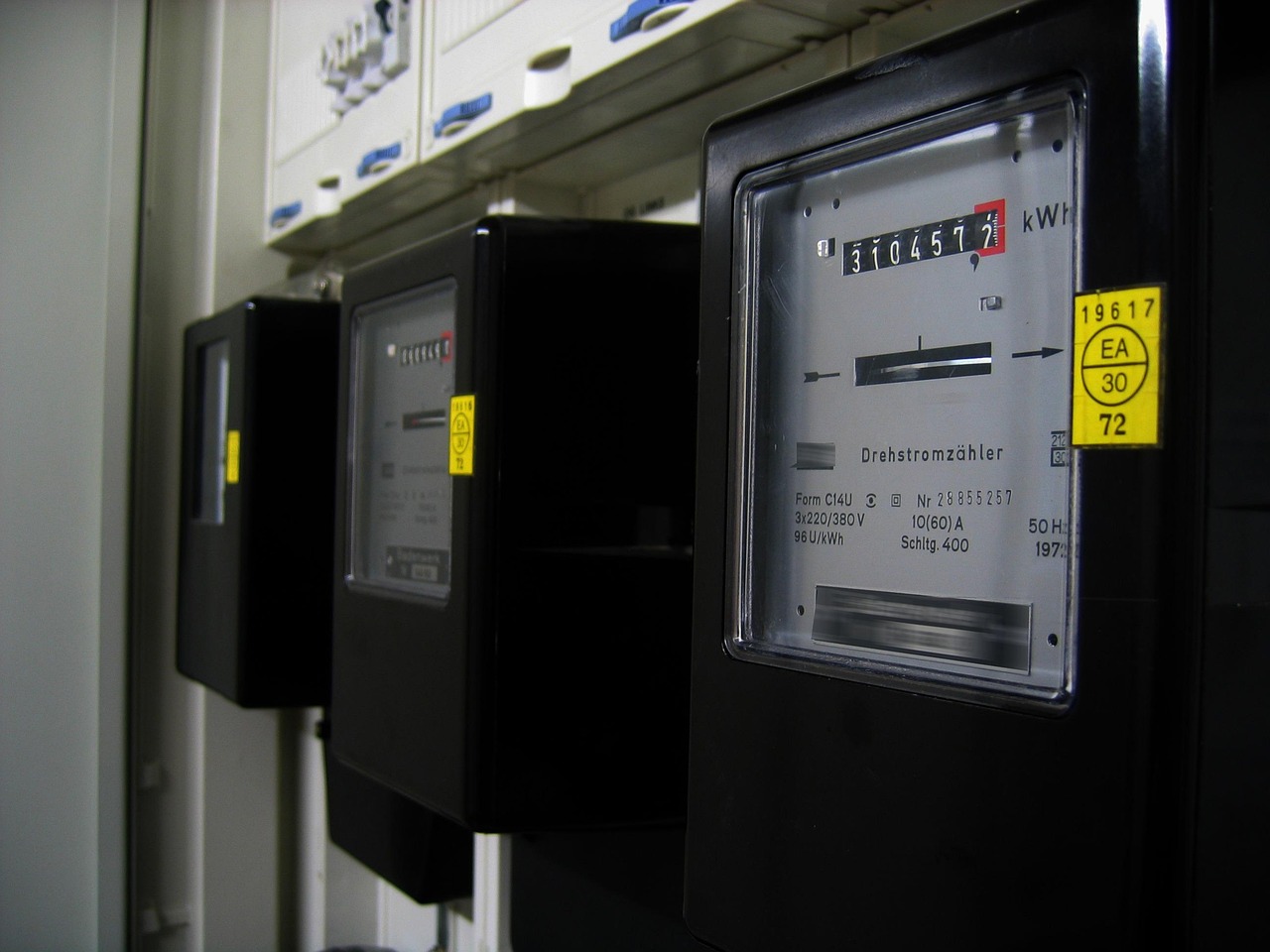
Moreover, utilizing electricity consumption metrics can present opportunities for operational improvement. By analyzing data trends, companies can pinpoint inefficiencies in their processes that may lead to excess power use. Techniques such as load shedding or peak load management can be implemented, enabling businesses to respond dynamically to fluctuating energy demands. Furthermore, energy audits can be conducted to assess current usage patterns against optimal benchmarks. This practice identifies areas needing intervention or upgrading. Incorporating innovative technologies such as IoT devices and smart meters enables real-time monitoring of electricity consumption. This data can be analyzed to provide actionable insights, streamlining energy usage across the organization. Ultimately, continuous monitoring and evaluation create a feedback loop that drives continuous improvement. Training employees on efficient energy practices enhances awareness and fosters a culture of sustainability. With increasing emphasis on environmental responsibility, businesses can gain a competitive edge by showcasing their commitment to energy efficiency. As stakeholders increasingly scrutinize sustainability efforts, businesses that prioritize efficient electricity consumption position themselves favorably within their respective markets.
Challenges in Managing Electricity Consumption
Despite the advantages, managing electricity consumption comes with its challenges. The volatility of energy prices poses a significant issue, affecting operational costs and budget forecasting. Fluctuations in electricity prices can lead to unexpected expenses, complicating financial planning for businesses. Additionally, outdated infrastructure may hinder organizations from accurately tracking energy usage. Many businesses still rely on legacy systems that cannot provide adequate data analysis capabilities. As a result, organizations miss the opportunity to uncover insights that lead to improved efficiency. Lastly, regulatory compliance presents a challenge, as businesses face increasing scrutiny over their energy consumption practices. Meeting these regulations demands a robust understanding of current usage patterns and a commitment to continuous monitoring. Companies can leverage third-party consultants or energy firms to overcome these obstacles. Engaging experts enables them to implement sustainable practices through better technology and strategic planning. Additionally, investing in renewable energy and energy efficiency programs can mitigate some of these challenges. While these steps may require upfront costs, the long-term savings can outweigh initial investments. Transitioning to more sustainable energy models ultimately supports growth and resilience for businesses in a rapidly changing economic landscape.
In conclusion, electricity consumption data is invaluable for businesses aiming to enhance operational efficiency and forecast future resource needs. By prioritizing the strategic analysis of electricity usage, organizations can unlock the potential for significant cost reductions and sustainability advancement. The benefits of utilizing data extend beyond financial savings; they also encompass improved brand reputation and customer loyalty. Companies equipped with thorough energy management strategies gain a competitive advantage in an increasingly energy-conscious market. As energy regulations tighten, it becomes vital for businesses to adopt proactive measures to manage their electricity consumption effectively. Ongoing investments in technology and employee training further equip organizations to navigate energy challenges successfully. Ultimately, harnessing electricity consumption data as a decision-making tool positions companies to thrive within their respective industries while supporting broader sustainability goals. This comprehensive approach encompasses continuous monitoring and refining of energy practices alongside innovative solutions. By investing in smart technologies and adopting effective forecasting techniques, businesses can respond adeptly to evolving market needs. Thus, electricity consumption data serves not only as a metric but as a catalyst for growth, resilience, and enhanced operational excellence.
In summary, harnessing the power of electricity consumption data enables businesses to thrive. By analyzing patterns and accurately forecasting needs, they can adopt essential strategies to optimize both profitability and sustainability. This article has outlined several key considerations professional organizations should keep in mind when analyzing their electricity use. Facilities that embrace these approaches will be better equipped to face both current and future energy challenges. Active engagement in energy management plays a crucial role in achieving a company’s environmental and financial goals. Integrating smart technologies and processes not only improves the efficiency of electricity use but also enhances the overall operational effectiveness of the organization. Leveraging data analytics and innovative strategies leads to more informed decision-making. It can provide the insights necessary for businesses to reduce their carbon footprints significantly while remaining competitive in the marketplace. Ultimately, as energy consumption data becomes more integral to strategic planning, companies are tasked with adopting practices that prioritize both environmental responsibility and profitability. This balanced approach is key to fostering sustainable growth in an era focused on minimizing environmental impacts while maximizing economic success.