
How Global Supply Chain Disruptions Affect Financial Markets
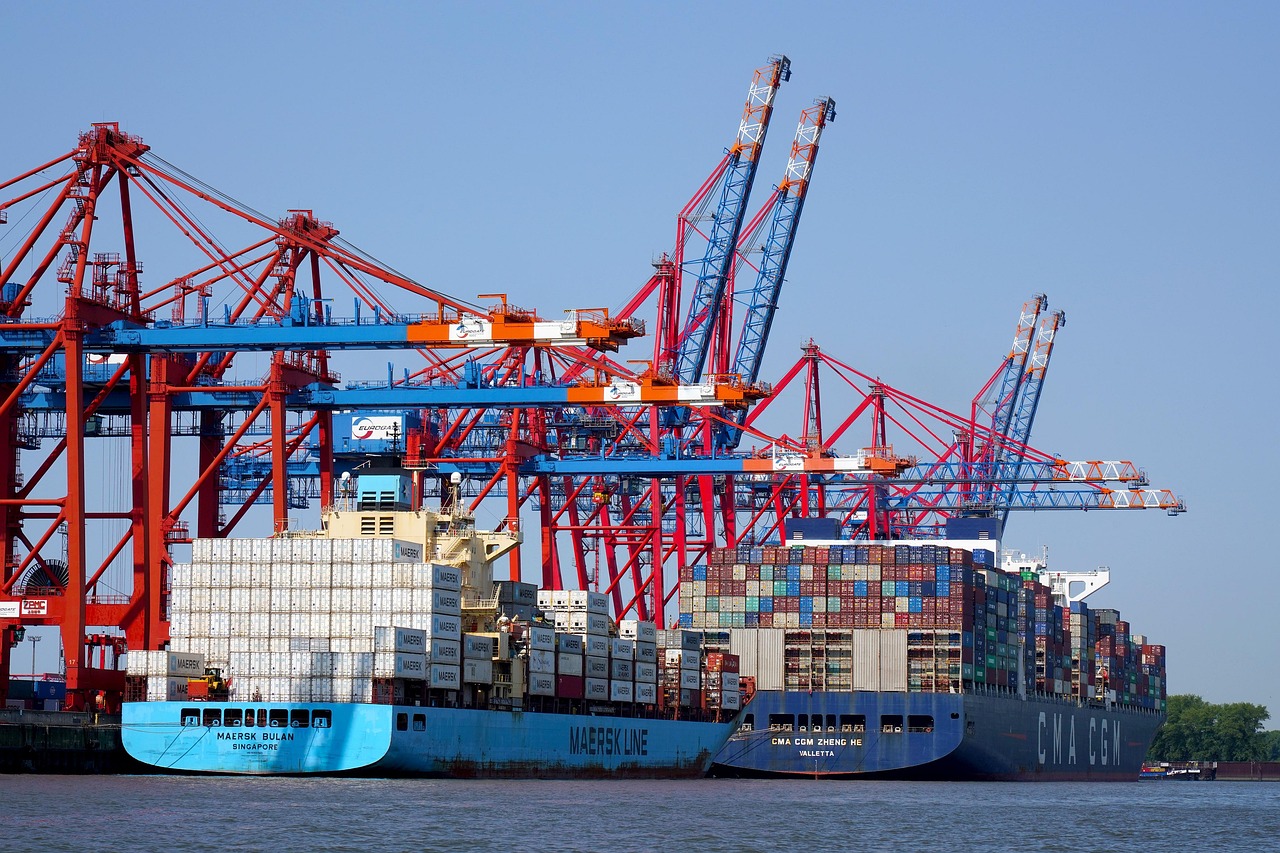
Global supply chain disruptions have become increasingly common due to various factors, including natural disasters, political conflicts, and pandemics. These disruptions profoundly impact financial markets, triggering fluctuations in stock prices and altering investor confidence. Companies reliant on overseas production face challenges such as delayed shipments, increased costs, and shortages. These factors can lead to decreased revenues and profit margins, ultimately affecting their stock valuations. As investors react to these developments, we see volatility in financial markets, with significant responses from stock indices like the S&P 500 and NASDAQ. The interconnectivity of global markets means that disruptions in one region can have cascading effects on others, making monitoring essential for investors. Companies that adapt swiftly to these changes, shifting production locations or redesigning their supply chains often fare better. Consequently, businesses optimizing their logistics can potentially lead to increased stock performance, emphasizing the role of agility in financial resilience. In summary, understanding global supply chains is essential for analyzing trends and predicting the future performance of financial markets, as disruptions reveal the vulnerabilities inherent in our globalized economy.
The Impact on Investor Sentiment
Investors are particularly sensitive to global supply chain issues, often reacting with caution when disruptions occur. There exists a notable correlation between supply chain tensions and investor sentiment, which can lead to a sharp sell-off in financial markets if uncertainty takes hold. During significant disruptions, investors often reassess their portfolios, favoring defensive stocks over growth-oriented equities. Such defensive shifts occur in sectors like utilities, consumer staples, and healthcare. These sectors traditionally offer stability in uncertain times, indicating a flight to safety among investors. Conversely, sectors highly dependent on global supply chains, such as technology and automotive industries, typically suffer steeper declines. The media plays a role in shaping investor sentiment by emphasizing negative news surrounding supply chain disruptions, which can exacerbate volatility. Additionally, investors increasingly rely on data analytics to gauge market conditions and forecast potential impacts on various industries. Thus, the psychological aspect of investing is heavily influenced by the perception of supply chain health worldwide. As financial markets continue to evolve, understanding the psychological factors rooted in global supply chains will be key for successful investment strategies.
Furthermore, financial analysts focus on global supply chains when assessing company valuations. Disruptions can artificially inflate costs, resulting in lowered earnings projections and reduced market capitalizations. Investors typically assign lower price-to-earnings ratios to companies facing supply chain vulnerabilities, reflecting concerns over future profitability. Consequently, firms that effectively communicate their strategies to minimize supply chain risks often attract more investor interest, enhancing their market positions. The importance of transparent communication cannot be understated, as businesses that provide clear guidance on how they plan to navigate disruptions can help alleviate market fears. Analysts increasingly emphasize the need for companies to create resilient supply chains capable of adapting quickly to unforeseen challenges. This transformational shift highlights the innovation and technology integration necessary for future success in the global markets. Forward-thinking strategies such as diversifying suppliers, investing in automation, and utilizing predictive analytics stand to strengthen supply chain reliability. The financial markets are likely to reward those firms that can demonstrate resilience through effective supply chain management amid ongoing global challenges. As we delve further into this topic, it becomes clear that a company’s ability to adapt will be pivotal.
Future Trends in Financial Markets
Looking ahead, we should consider how ongoing supply chain issues might shape financial markets in the future. As emerging technologies permeate various industries, we expect a paradigm shift in supply chain management practices. Innovations in artificial intelligence and blockchain technology hold promise for streamlining processes, reducing delays, and increasing transparency. Consequently, companies that embrace these advancements may enhance their competitive edge. Moreover, corporate investment in sustainable supply chains is growing due to increasing consumer demand for ethically sourced products. Investors are starting to recognize that environmental, social, and governance (ESG) factors are crucial in evaluating long-term investment potential. By focusing on sustainability, firms can mitigate risks related to supply chain disruptions while appealing to socially conscious consumers. Financial markets will thus likely reward companies prioritizing sustainable practices with higher valuations over time. As we witness these trends unfold, adaptability, technology, and sustainability will become key themes in financial markets. Investors must remain vigilant, continuously reassessing their portfolios in light of these developments. The integration of these factors will provide a comprehensive understanding of the future landscape of financial markets.
Moreover, political and economic conditions will continue to play a pivotal role in shaping global supply chains. Trade wars and tariffs can disrupt established relationships between countries, leading to increased market volatility as investors react. Policy changes, such as those introduced during the COVID-19 pandemic, have demonstrated the fragility of global supply chains. Companies and investors alike must navigate this political landscape while recognizing its impact on market dynamics. Regulators’ roles in monitoring supply chains and enforcing compliance are increasingly scrutinized, pushing firms toward greater accountability and transparency. Such regulatory changes can influence business strategies and subsequently affect stock prices as investor sentiment shifts. Historical data suggests that periods of political instability correlate with increased market uncertainty and fluctuating stock indices. Investors must therefore focus on both global and local political environments when making their financial decisions. As companies adapt to these evolving political landscapes, those that demonstrate agility in response to policy shifts may enjoy enhanced market confidence. Financial markets will be shaped by the resilience of firms in overcoming challenges posed by political and economic factors.
In the context of global supply chain disruptions, geographical considerations emerge as critical factors influencing financial markets. Specific regions are more affected by disruptions than others, often leading to a ripple effect in global markets. For instance, a slowdown in manufacturing in Asia can impact commodity prices and result in heightened volatility across the globe. Consequently, investors keenly monitor regional fluctuations to gauge potential market impacts. Understanding regional dynamics enables investors to make informed decisions based on anticipated effects from supply chain constraints. As the global economy continues to be increasingly interconnected, companies looking to diversify their operational footprints may favor regions known for stable supply chain environments. This shift can lead to pronounced impacts on financial markets as businesses reposition themselves strategically. Additionally, emerging markets may adapt faster to changes and become attractive investment opportunities. Identifying and investing in companies rooted in resilient supply chains offers potential rewards amid economic uncertainties. Therefore, geographical understanding becomes a powerful tool for investors navigating complex financial markets shaped by global supply chain dynamics.
Conclusion
In conclusion, global supply chain disruptions significantly affect financial markets interconnected globally. The ramifications include shifts in investor sentiment, valuation changes, and evolving trends shaped by innovation, sustainability, and geopolitical elements. To navigate these challenges, businesses must prioritize building resilient supply chains while investors must adopt a proactive approach to portfolio management. The agility of firms in responding to supply chain changes will ultimately determine their success in the volatile landscape of global markets. Monitoring technological advancements and embracing sustainable practices will also prove vital in ensuring firms remain competitive amidst disruptions. Various interrelated factors emphasize the complexity of financial markets in the context of supply chains and highlight the importance for investors to stay informed. Strategic investment that considers these elements can lead to favorable outcomes even when faced with uncertainty. As the global economy continues to evolve, stakeholders must remain adaptive and forward-thinking to succeed within this dynamic environment. The ongoing changes in global supply chains can create lucrative opportunities for those willing to invest wisely and respond to shifting market conditions, ensuring long-term growth and stability in their financial portfolios.
Understanding the interplay between supply chain disruptions and financial market outcomes enriches our insights into economic dynamics. The interconnectedness of global markets means that the effects of local disruptions can have widespread repercussions. Investors who grasp this relationship will position themselves advantageously in an unpredictable financial landscape. Thus, adopting informed strategies based on thorough analysis and continuous monitoring of supply chain developments becomes indispensable for securing investment success. The lessons learned from recent experiences can guide future decision-making processes and reinforce the necessity of adaptability in times of uncertainty. In this respect, enhancing supply chain visibility, investing in technology, and fostering collaborative relationships can create a resilient foundation for businesses. As we look into the future, financial markets will increasingly reward those attributes that inspire confidence and innovation among stakeholders. A proactive mindset will undoubtedly differentiate successful companies from their competitors, highlighting the importance of preparedness and strategic foresight. As industries evolve, understanding the nuances of global supply chain dynamics remains critical for investors seeking sustainable growth and stability. The ongoing dialogue surrounding these issues will undoubtedly influence the next epoch in financial market evolution.