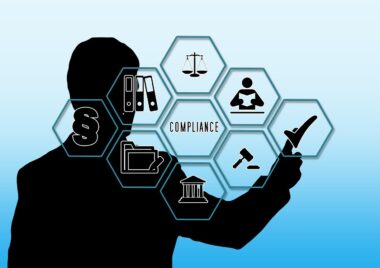

The Intersection of Corporate Governance and Compliance
Corporate governance and compliance are crucial for organizations to operate effectively in today’s complex regulatory climate. Corporate governance pertains to the mechanisms, processes, and relations by which corporations are controlled and directed. Essential components of corporate governance include transparency, accountability, fairness, and responsibility. These factors help ensure the company adheres to laws and regulations while mitigating risks. Compliance focuses on ensuring that an organization follows relevant laws, regulations, and internal policies. It promotes ethical conduct and builds trust among stakeholders, contributing to a positive corporate image. The intersection of these two elements leads to the establishment of robust frameworks that guide companies towards sustainable practices. Effective corporate governance enforces compliance mechanisms, while strong compliance ensures the adherence of governance practices to regulations. Integrating governance and compliance is vital for enhancing operational efficiency and executing business strategies. As businesses expand globally, the increasing complexity of laws and regulations necessitates that organizations develop clear governance structures alongside comprehensive compliance programs. Hence, the duality of these frameworks cannot be disregarded, as an organization’s health depends on both its governance and compliance efforts working synergistically.
Compliance plays a vital role in risk management by identifying potential areas of non-conformance that could negatively impact an organization. Successful companies recognize that a proactive approach to compliance can significantly mitigate risks and prevent costly fines or legal challenges. This is particularly evident in industries such as finance, pharmaceuticals, and healthcare that operate under stringent regulatory requirements. Corporations are required to implement effective measures to monitor compliance, ensuring that their practices adhere to laws and ethical standards. Regular audits, training programs, and comprehensive reporting are some tools employed to maintain compliance within organizations. Additionally, the board of directors must foster a culture of compliance among all employees, emphasizing the importance of adherence to regulatory obligations. By establishing policies that promote ethical behavior and compliance awareness, organizations can create a sense of responsibility at all levels. A robust compliance program, coupled with an effective governance framework, can enhance an organization’s reputation and increase its competitiveness. Therefore, businesses should recognize the significance of integrating governance and compliance mechanisms, creating a resilient foundation that drives both growth and accountability in their operations.
The role of technology in enhancing governance and compliance practices cannot be overlooked. In recent years, technology has emerged as a key enabler for companies seeking to streamline their compliance efforts and uphold governance standards. Advanced tools such as data analytics, artificial intelligence, and compliance management software allow organizations to automate tasks, identify patterns, and generate reports. Using these technologies not only increases efficiency but also improves the accuracy of compliance monitoring. Furthermore, real-time data reporting helps organizations respond more swiftly to regulatory changes and potential risks. By leveraging these tools, companies can enhance their governance frameworks, ensuring that they meet regulatory requirements while maintaining ethical standards. Training employees on the latest compliance technologies is equally important; staff members must understand how to leverage these tools effectively. Regular workshops or e-learning modules can foster knowledge and awareness within the organization, reinforcing a compliance-oriented culture. Overall, as organizations continue to face evolving regulations, integrating technology into governance and compliance initiatives will be essential to achieving optimal outcomes. By doing so, they can enhance their overall resilience in an increasingly complex business environment.
The Impact of Corporate Culture on Governance and Compliance
Corporate culture is another critical factor affecting the effectiveness of governance and compliance frameworks within organizations. A positive corporate culture fosters an environment where compliance is valued, and ethical conduct is the norm. When employees observe leadership prioritizing compliance and ethical behavior, they are more likely to embrace these values themselves. Conversely, a culture that overlooks compliance or rewards unethical behavior can lead to significant legal and reputational risks for the organization. Therefore, leadership must cultivate a culture of compliance by clearly communicating expectations and actively promoting policies that reinforce ethical conduct. Employee engagement initiatives, such as town hall meetings, can further enhance this culture by involving employees in discussions about governance and compliance matters. Equally important is the role of rewards and recognition in reinforcing desired behaviors; recognizing employees who exemplify compliance can further entrench these values within the corporate culture. Organizations should also evaluate their culture periodically to ensure it aligns with evolving compliance needs and regulatory environments. By proactively managing corporate culture, companies can ensure that their governance and compliance frameworks are not merely theoretical, but effectively embedded in daily operations.
Part of an effective compliance and governance strategy is the continuous education and training of employees. As regulations rapidly change, it becomes essential for organizations to keep their workforce informed about legal requirements and ethical standards. Developing comprehensive training programs tailored to various roles within the organization empowers employees to understand their compliance responsibilities. Such training could encompass topics like anti-corruption policies, data protection regulations, and reporting obligations. Additionally, ongoing refresher courses can be beneficial to remind employees of the importance of adhering to compliance protocols. Evaluating training programs through feedback and assessments ensures that these initiatives remain effective and relevant. Moreover, organizations should establish clear communication channels that allow employees to express concerns or report potential violations without fear of retaliation. This fosters an open dialogue about compliance issues, enabling companies to address problems proactively. Overall, a commitment to continuous education reinforces the symbiotic relationship between governance and compliance, ultimately enhancing organizational integrity. By doing so, businesses can create a strong foundation for responsible operations while enhancing stakeholder trust and confidence in their governance frameworks.
The Regulatory Landscape and Its Influence
The regulatory landscape continues to evolve, significantly impacting governance and compliance efforts across numerous sectors. Globalization and technological advancements have led to increased regulatory scrutiny and complex compliance requirements. Governments and regulatory bodies worldwide have implemented measures designed to protect stakeholder interests and maintain market integrity. As a result, organizations must stay abreast of emerging regulations relevant to their industries to avoid potential sanctions and legal liabilities. Part of this involves dedicating resources to monitor regulatory changes, including assigning compliance officers to oversee adherence to these laws. Organizations often seek legal counsel to interpret complex regulations and assess the implications on their operations. Engaging with professional associations can also be beneficial, as these associations often provide updates and resources to help companies remain compliant. Moreover, technology can play a critical role in monitoring regulatory changes, automating alerts, and facilitating timely updates to governance and compliance strategies. The intersection of these evolving regulations and robust governance structures helps organizations mitigate risks, promote ethical conduct, and ultimately succeed in their compliance efforts. Companies that adapt to the regulatory landscape effectively will find themselves fostering trust and confidence among stakeholders.
To conclude, the intersection of corporate governance and compliance creates a balanced framework that ensures organizations operate ethically while adhering to regulations. Companies that prioritize governance and compliance are more likely to maintain their reputation, face fewer legal challenges, and enjoy a stronger competitive edge in their industries. The collaboration between compliance professionals, legal advisors, and executive leadership is vital in crafting policies that align with corporate goals and regulatory standards. Moreover, continuous assessment and adaptation of governance practices in response to regulatory changes and cultural shifts ensure sustained effectiveness. As businesses grow and change, investing in governance structures and compliance initiatives becomes non-negotiable. Organizations should be encouraged to embrace best practices in both areas, fostering a culture of accountability supported by technology. This holistic approach not only safeguards the organization but also helps build strong relationships with stakeholders, enhancing trust and loyalty. Ultimately, navigating the complexities of governance and compliance in today’s landscape requires commitment, resources, and a willingness to adapt. Companies that succeed in these areas will lay the foundation for long-term sustainable growth and success, setting themselves apart in a competitive market.