
How Often Should Interest Compound? Understanding Compounding Frequency
Compounding frequency plays a crucial role in determining how much your investment will grow over time. When you invest money, interest accumulates not only on your principal but also on the interest previously earned. The more frequently interest is compounded, the greater the total amount of interest you will earn. Common compounding frequencies include annually, semi-annually, quarterly, monthly, weekly, and daily. Each frequency has a considerable impact on the final value of your investment. For instance, if you invest $1,000 at an annual interest rate of 5%, compounded quarterly, you will earn interest at a faster rate than if it were compounded annually. Compounding can be understood with the formula A = P(1 + r/n)^(nt), where A is the amount of money accumulated after n years, including interest. By understanding this formula, investors can easily compare different compounding frequencies to select the one which provides optimal growth for their investments. Ultimately, comprehending compounding frequency is essential for making informed decisions about savings and investments.
The impact of compounding frequency becomes more pronounced as the investment term lengthens. For example, if you invest $1,000 at a 5% interest rate, you can notice significant differences after a long duration, such as 10 or 20 years. If compounded annually, the final amount earned may be noticeably less than if compounded monthly or daily. With consistent contributions to your investment, the effects of compounding become even clearer. Regularly adding to your principal balance maximizes growth since it generates interest on both your initial amount and any added contributions. This is where many investors see the power of compounding unfold, demonstrating that time combined with frequency leads to exponential growth. Additionally, understanding tax implications related to different investment vehicles can also impact your decisions. Some accounts allow tax-free compounding, while others may require taxes on gains. Recognizing how compounding interacts with tax regulations is essential to making practical choices in your financial planning. As you consider investment options, factor in not just the interest rate, but also how often your earnings will compound over time.
Different Types of Compounding Frequencies have varying advantages and can affect your overall returns. For example, daily compounding calculates interest every day, leading to quicker accumulation of earnings compared to annual compounding, which only calculates interest once a year. Additionally, while monthly compounding provides benefits over annual compounding, it doesn’t quite surpass the advantages of daily compounding. Therefore, those serious about maximizing their investment should consider options that offer more numerous compounding occasions. In contrast, while some may prefer the simplicity of annual compounding, it ultimately results in less interest earned over the long term. This simplicity can create misconceptions, leading many to underestimate the benefits of more frequent compounding. Understanding these different aspects will undoubtedly enhance your financial literacy. Furthermore, if you are new to investing, it might be wise to explore various options to find what suits your needs best. Consider online calculators and financial advice to compare returns based on various compounding frequencies. This can help in making savvy investment decisions pertaining to your financial goals.
Choosing the Right Compounding Frequency
Choosing the right compounding frequency is essential for maximizing returns. Some investment accounts or banking products may offer daily compounding, while others stick to quarterly or annual compounding. The best option often depends on the individual financial goals and timelines of the investor. When considering investments, look for accounts with favorable compounding conditions that fit your needs. Understanding how your investments compound over time can make a profound impact on the total value of your portfolio at the end of a specific period. Even small differences in rates or compounding intervals can eventually lead to significantly higher gains due to the nature of exponential growth. Moreover, those saving for retirement or a large purchase should prioritize investment vehicles that incorporate frequent compounding into their strategies. In contrast, short-term investments can consider less frequent compounding frequencies, which may suit their immediate needs better. All in all, think critically about your circumstances, investment timeline, and compounding options available, as evaluating these can greatly improve overall financial outcomes.
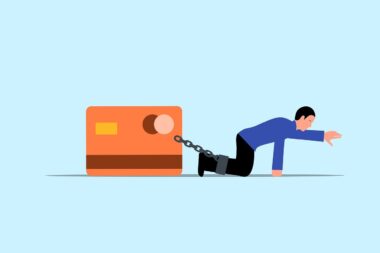
Another crucial aspect of compound interest is its impact on debt repayment. High-interest debts can sabotage financial prosperity, as the effects of compounding negatively influence the total amount owed. For instance, credit cards may charge interest daily, which means consumers can find themselves in a cycle of rising debt. This highlights the importance of financial literacy and understanding how interest compounding affects both investments and debts. Avoiding high-interest debts can significantly enhance net worth over time since it reduces the amount paid in interest. Individuals must strive to not only understand how to grow their wealth but also how compounding can work against them when it comes to debt. Instead of compounding interest on borrowed funds, focus on compounding growth on investments by making informed choices and selecting opportunities that promote positive growth. Additionally, learning to manage and reduce existing debt can prevent compounding effects from destroying financial health. By educating yourself in both areas, you will position yourself optimally for financial success.
The Power of Time in Compound Interest
The power of time cannot be overstated in the context of compounding interest. The longer you allow your investments to grow, the more pronounced the effects of compounding will be. This is particularly evident for young investors, who can significantly benefit from starting their investment journey as early as possible. Even modest contributions can result in large sums down the line due to the compounded interest accrued over several decades. Even more surprising is the concept of time being your ally. The earlier you begin, the easier it becomes to amass wealth, given that returns generated earlier can themselves generate returns over time. To further illustrate, consider an investment that compounds annually versus one that compounds semi-annually. The annual compounding yields a lower total than the latter due to the more frequent calculation of interest. To capitalize on compound interest fully, individuals must prioritize the time element in their financial planning. Emphasizing a long-term perspective will empower investors to gain the positive effects of compounding in their financial lives.
Ultimately, understanding compound interest is akin to unlocking a treasure trove of financial opportunities. Grasping the implications of various compounding frequencies is incredibly valuable for everyone, regardless of their financial literacy level. Whether a novice or an expert, taking time to study compounding interest ensures sound decisions when it comes to investing and saving. As a takeaway, seek to establish a solid understanding of interest compounding through resource gathering, practice, and potentially even financial consultancy. Compounding is not limited to mere calculations; it represents a mindset shift towards strategy and growth. Additionally, makings use of calculators or spreadsheets can help visualize these principles, transforming abstract concepts into practical applications. Investing wisely with a focus on the selected compounding frequency can lead to sustainable financial success, allowing individuals to achieve their long-term goals. Keep striving to learn, adapt, and make decisions that align with personal financial visions. Embrace the benefit of compounding interest as a powerful tool in living out a financially free life.
In conclusion, learning about compound interest and its related dynamics can empower individuals towards making informed financial decisions. As you navigate the world of investments, it’s crucial to remember that compounding frequency can significantly influence your overall returns. Setting clear, attainable goals and timelines will aid in choosing investments that cater to your unique needs. Familiarize yourself with available resources, such as financial advisors or calculators, that can provide practical insights into how compounding impacts your savings and investments. Overall, compounding frequency is a vital concept that every investor should learn, as it impacts both long-term wealth accumulation and short-term gains. Keep experimenting with various investment strategies guided by the principle of compounding. The world of finance is rich with opportunities that encourage patience and informed decision-making, leading to successful outcomes. Ultimately, a better understanding of interest compounding will enable you to enjoy all the financial benefits it provides. Having this knowledge can enhance your financial literacy, leading you on a path towards sustainable wealth and prosperity in life.