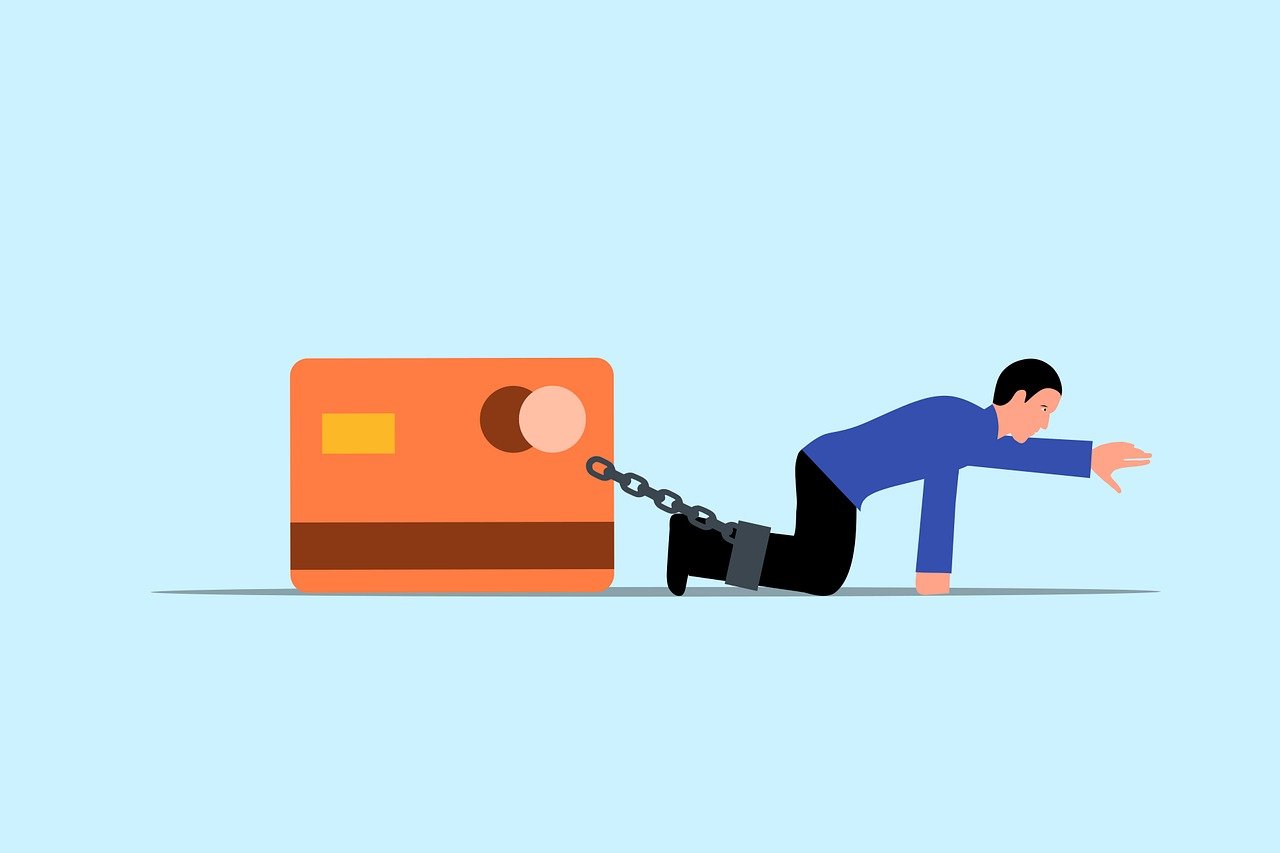

Understanding the Fine Print: Credit Card Terms and Debt Implications
When considering credit card usage, it’s essential to read and comprehend the fine print associated with the terms and conditions. The fine print typically includes important details about interest rates, fees, and the consequences of missing payments. For most cardholders, interest rates can significantly affect the total debt owed, especially if payments are not made regularly. Before signing up for any card, you should find out the annual percentage rate (APR), which depicts how much you will pay in interest if balances are carried forward. In addition, examine any fees that may be involved, such as late payment penalties, foreign transaction fees, and annual fees. All these can contribute to overwhelming debt levels if you are not careful. It’s beneficial to ask yourself: Is the credit limit manageable? Fluctuating between low and high limits can be a danger that leads to impulsive spending. Understanding these terms helps prevent spiraling debt. Ultimately, comprehensive knowledge of the fine print enables you to make informed financial decisions, ensuring your credit card works for you, not against you.
Assessing Your Financial Situation
Before acquiring a credit card, evaluating your current financial situation is crucial in understanding your capacity to manage potential debt. Begin by analyzing your income and expenses to ascertain a budget that accommodates credit card payments. You need to be aware of how much you can afford to charge without exceeding your limits, leading to debt traps. Establish clear financial goals, whether that’s paying off existing debt or managing new purchases responsibly. Calculate your debt-to-income ratio, as this metric illustrates how much of your income is spent on debt obligations and can guide your decision-making process. When you understand your financial landscape, it becomes easier to select a credit card that aligns with your monetary goals. Additionally, understanding minimum payment requirements will further enlighten you about how interest accrues when balances remain unpaid. Be wary of cards that encourage low minimum payments; while they appear manageable, they can lead to substantial long-term interest payments and increased debt. Education about your financial standings allows you to utilize credit cards more effectively, ensuring they serve as a beneficial financial tool.
Credit card companies often provide various promotional offers that can make it easy to fall into a spending trap without careful management. These commercials can be enticing, suggesting ‘zero percent APR for the first twelve months’ or ‘bonus reward points’ when signing up. While offers like these are tempting, it’s critical to read the fine print about what happens after the promotion ends. Interest rates can significantly increase after promotional periods, leading to unexpected financial burdens. Furthermore, understand how rewards programs work; sometimes they are only beneficial if used wisely. Also, keep in mind that many cards charge exorbitant fees for foreign transactions, which can add unnecessary costs when traveling. It’s advisable to compare different cards and their fees prior to making your choice. Not all credit cards are created equal, and by focusing on the details, you can find a card that genuinely meets your needs without leading to unmanageable debt. Being savvy in your selections allows you to avoid pitfalls often associated with enticing offers and promotions from credit providers.
Understanding Interest Rates
An essential aspect of managing credit card debt is understanding how interest rates affect your overall financial health. Credit cards typically have a variable APR, meaning the interest rate can fluctuate based on market performance and individual credit history. Late payments may also lead to increased interest rates, so keeping up with due dates is paramount. It’s beneficial to pay off your balance in full whenever possible, as this helps you avoid incurring interest in the first place. If you find yourself unable to make a full payment, aim to pay more than the minimum to reduce interest accumulation. Additionally, explore options for lower interest rate cards if maintaining a balance becomes inevitable; this could help reduce the total amount paid over time. Many consumers fall into the trap of making just the minimum payments, which keeps them in debt longer and incurs additional interest costs. Understanding how these rates work arms you with knowledge on how to navigate your credit card use effectively while protecting your financial future.
One of the greatest dangers of credit card debt is accumulating charges without fully realizing the impact it has on your financial health. When emergency expenses arise, it can be tempting to rely on credit cards, leading to increased balances and high-interest payments. Therefore, establishing a financial safety net prior to utilizing credit cards is essential to prevent further stress and potential debt spirals. Prioritize building up savings, ensuring you have a reliable cushion in case unanticipated costs occur. In addition to savings, create a payment plan should debt arise; this allows you to confront the issue directly instead of brushing it aside. Additionally, consider seeking advice from financial experts who can provide personalized strategies to accelerate debt repayment. Often, people hesitate to discuss their debt problems, resulting in further complications. Opening communication channels allows for the development of a better repayment strategy, thus improving your ability to manage your finances. Recognizing that financial struggles are common encourages individuals to learn from one another and build a support system for sound financial decisions.
Setting Limits and Monitoring Usage
Creating a spending plan is crucial in managing your credit card usage effectively. Establish limits on how much you will spend each month based on your budget to prevent overspending. This practice encourages responsible credit usage, ensuring that you live within your means. Monitoring your transactions regularly can help to identify patterns and avoid unnecessary expenses. Consider setting alerts on your card for charges; this allows you to stay informed and alert you to potential misuse or unexpected charges. By doing so, you can quickly rectify any financial errors or address misuse before it accumulates into significant debt. Additionally, many banks offer apps or online portals that can provide insights into spending habits, helping you make informed decisions about future purchases. Recognizing triggers that lead to overspending, such as shopping sprees during sales events, can help mitigate financial risks. By proactively managing your credit card use, you set yourself up for success while developing healthier financial behaviors that last over time, rather than simply relying on credit as a crutch.
Finally, understanding the potential implications of credit card debt extends beyond simple payment structures and interest rates. It can also affect your credit score, which is crucial for future borrowing. Irresponsible usage, such as maxing out credit limits or making late payments, can negatively impact your credit rating. A lower score can lead to higher interest rates on loans or even denial of future applications. Conversely, maintaining a low balance relative to your credit limit can enhance your credit score, illustrating responsible financial behavior. It’s essential to regularly check your credit report to identify errors or unfavorable changes that may impact your standing. In addition to using credit responsibly, consider establishing a repayment strategy alongside maintaining good credit habits. Designate regular payments toward your balances and prioritize paying down higher interest debts first. This approach not only reduces the overall debt faster but will ultimately save you money in interest payments. Be proactive in your credit use and stay vigilant about monitoring both your debt levels and credit score to lead a fruitful financial life.