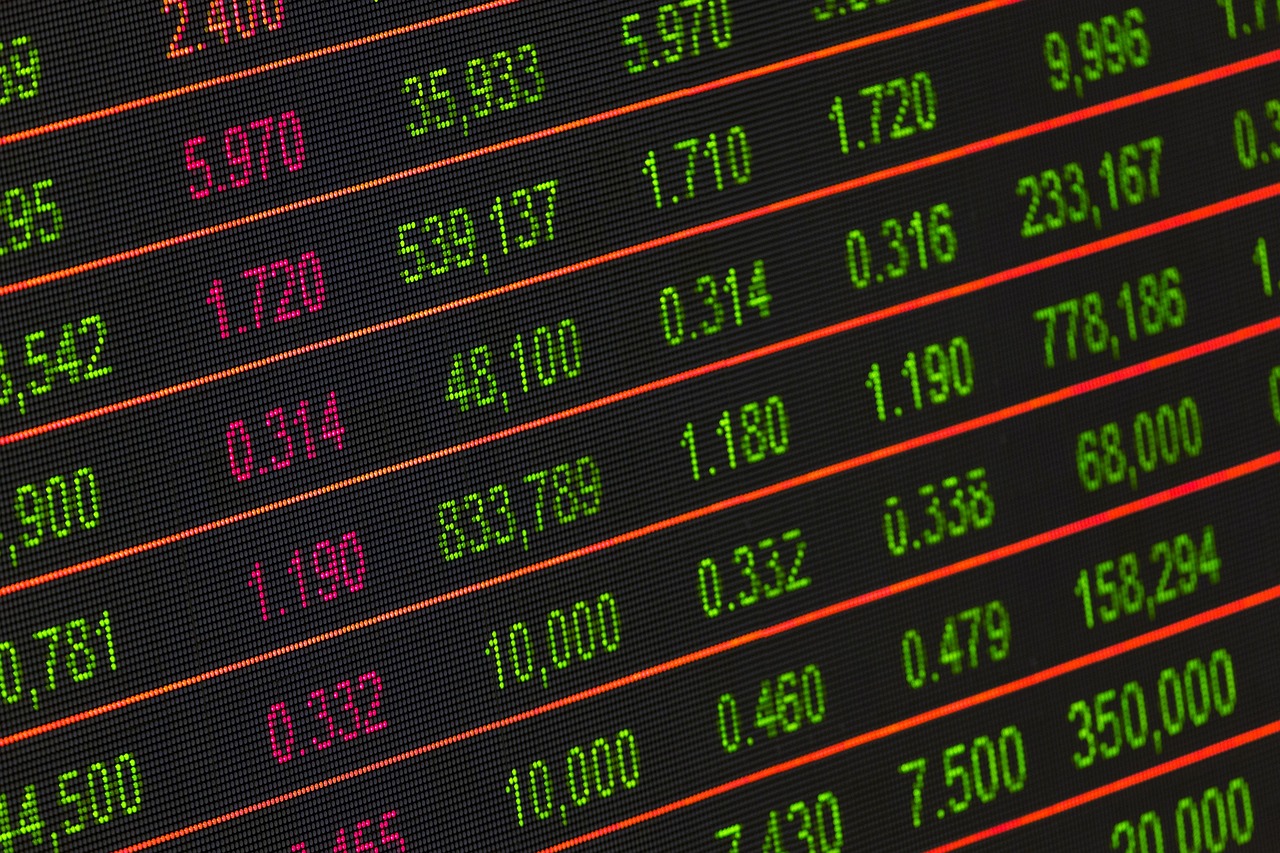

The Dynamics of Information Flow in Financial Networks
Information economics serves as a critical lens through which the complexities of financial networks can be understood. The flow of information is pivotal for making informed financial decisions, impacting both investors and institutions. Efficient market theory posits that prices reflect all available information; however, this assumption often falters due to asymmetry in information distribution. Different players possess varying degrees of information leading to mispricing of assets. Thus, understanding the dynamics involved is essential for both academic research and practical investment strategies. The interplay between information flow and financial decision-making affects market performance and stability significantly. Moreover, a network’s structure can influence how information disseminates, affecting overall market efficiency. The implications of these dynamics stretch far beyond the financial market itself, affecting economic policies and regulations. In navigating these complexities, researchers utilize a multitude of models to simulate different scenarios and understand potential outcomes. Such simulations not only help in predicting market trends but also in formulating strategies for improved decision-making regarding investments and resource allocations, ultimately contributing to the resilience of financial systems in the face of uncertainty.
At the core of information economics is the concept of information asymmetry, where unequal access to relevant data leads to adverse selection and moral hazard. Adverse selection arises when one party in a transaction possesses more information than another, typically resulting in suboptimal decision-making. This situation often manifests in insurance markets, where insurers may inadvertently attract higher-risk individuals due to lack of knowledge about applicants’ true risk levels. Moral hazard, on the other hand, occurs when individuals alter their behavior after securing a contract, knowing that they are protected from some of the consequences. Both situations reflect how important the flow of information is within financial networks. Addressing the challenges posed by these phenomena requires collaborative efforts from policymakers and financial institutions. Regulatory bodies can intervene by imposing transparency measures, enhancing information sharing among stakeholders, and refining how information is communicated. Such strategies can help mitigate the negative implications of information asymmetry, thereby improving market function. The overall goal is to create a more equitable financial landscape where informed choices can lead to healthier economic outcomes, fostering investor confidence and enhancing financial well-being across the board.
The Role of Technology in Information Dissemination
The role of technology has profoundly transformed the manner in which information flows within financial networks. The advent of the internet and advanced computing technologies has democratized the access to financial information, enabling individual investors to make decisions based on real-time data. Digital platforms offer unparalleled speed and convenience in obtaining market insights, dramatically affecting trading behavior and strategies. Algorithms and machine learning models play an indispensable role in processing vast amounts of data, identifying trends, and executing trades based on predefined criteria. Additionally, social media has emerged as a powerful tool for information dissemination among diverse stakeholders. It allows for the rapid sharing of news, opinions, and analysis, enabling investors to stay updated and make quicker decisions. However, this increased access to information is a double-edged sword. While it empowers, it also leads to a surge in misinformation and market rumors that can greatly distort market realities. Therefore, understanding how to navigate this landscape is crucial for investors who seek to leverage technology without falling prey to its pitfalls. Continuous education and critical analysis become vital skills in this new information-driven paradigm.
Moreover, the dynamics of information flow can significantly influence trading behaviors and market volatility. Increased transparency generally leads to a decrease in uncertainty, fostering a stable trading environment. Conversely, a lack of accurate information can lead to market panic and irrational behavior among investors. This phenomenon can be exacerbated by the speed at which information spreads across digital platforms. Events that trigger sudden changes in sentiment, be it a financial report or a geopolitical incident, can lead to rapid fluctuations in asset prices. For instance, social media platforms allow for the swift propagation of news, which can incite panic selling or speculative buying. Addressing market volatility, therefore, requires not just an understanding of economic indicators or trends, but also a keen awareness of how information is communicated in the digital age. Stakeholders must adapt to the realities of fast-paced information exchange, where the impact of news can be felt instantaneously across financial networks. Hence, cultivating a robust framework for managing and responding to information is essential for all market participants, ensuring resilience amidst the inherent uncertainties of financial markets.
The Impact of Behavioral Economics
Behavioral economics enhances our understanding of how humans process information within financial networks. Traditional economic models often assume rational decision-making; however, behavioral economics recognizes that cognitive biases significantly influence investor behavior. For instance, herding behavior illustrates how individuals often follow the crowd, particularly in volatile markets, leading to irrational swings in asset prices. Anchoring, another prevalent bias, refers to the tendency of investors to rely heavily on the first piece of information they receive when making decisions, even if it is not entirely relevant or accurate. Such behaviors can create inefficiencies in the market, exacerbating the effects of information asymmetry and volatility. Market sentiment often deviates from economic fundamentals due to these biases, amplifying speculation. Understanding these psychological factors is essential for forming effective strategies in information dissemination and market predictions. Financial institutions can utilize insights from behavioral economics to refine their communication strategies, aiming to present information in ways that mitigate biases. Moreover, fostering an environment for critical thinking and rational evaluations can enhance the decision-making capabilities of investors, ultimately contributing to a more stable financial market.
In conclusion, the dynamics of information flow in financial networks play a crucial role in shaping market behavior and economic outcomes. As we have seen, the challenges imposed by information asymmetry can severely impact decision-making processes and market efficiency. A collaborative approach involving regulatory interventions, technological advancements, and an understanding of behavioral economics can lead to a more informed and resilient financial landscape. By prioritizing transparency and cultivating a better understanding of how information is shared, stakeholders can improve market functioning. Additionally, leveraging technology for data analysis and facilitating effective communication will enhance the overall quality of decision-making in financial networks. Awareness of cognitive biases further emphasizes the need for a holistic approach to investor education and engagement. Ultimately, ensuring that all participants in financial markets have equal access to information will foster a healthier economic environment. Achieving this requires consistent efforts in refining both technological and regulatory frameworks to adapt to the rapidly evolving landscape. The goal remains clear: to create financial networks that not only maximize profitability but also enhance the overall stability and confidence within the economic system.
Looking ahead, the future of information flow in financial networks will undoubtedly involve further integration of advanced technologies such as artificial intelligence and big data analytics. These technologies have the potential to revolutionize how information is disseminated and utilized, greatly impacting trading strategies and decision-making processes. The use of AI can significantly enhance predictive analytics, enabling investors to anticipate market trends better. Furthermore, as machine learning continues to evolve, financial institutions will likely develop more sophisticated models to identify risks and opportunities. Furthermore, regulatory bodies are expected to adapt their frameworks to better accommodate these technological advancements, ensuring that information dissemination remains fair and equitable. As regulations evolve, transparency in the data processing methodologies will become increasingly critical. Ultimately, fostering innovation while maintaining oversight is essential for creating a balanced environment where information can flow freely and responsibly. Investors and institutions alike will need to remain agile in this dynamic landscape, adapting strategies as the means of information exchange continue to transform. Thus, the ongoing evolution of information economics will remain a key area of focus for researchers and practitioners alike.
The intricate relationship between information flow and economic performance underscores the necessity of ongoing research in the field of information economics. Understanding the nuances of how information is processed within financial networks will benefit not only academic inquiry but also practical applications in the financial industry. Empirical research can offer valuable insights into the behavior of financial markets under varying information conditions. This knowledge can help refine trading models and strategies, significantly improving economic forecasting. Furthermore, interdisciplinary collaboration among economists, data scientists, and behavioral experts is essential to develop a comprehensive understanding of this complex subject. As new challenges arising from digital technologies and changing investor preferences emerge, proactive responses become necessary. The synthesis of economic theory with technological innovation will create more robust frameworks for analyzing and interpreting market dynamics. Educational initiatives focused on enhancing investor literacy about information economics will cultivate a more informed public that can navigate complex financial landscapes with confidence. In conclusion, the future remains bright for information economics, promising evolving insights that will guide both practitioners and policymakers towards more stable and efficient financial systems.