
How Economic Indicators Influence Financial Market Volatility
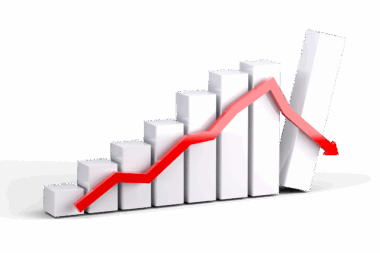
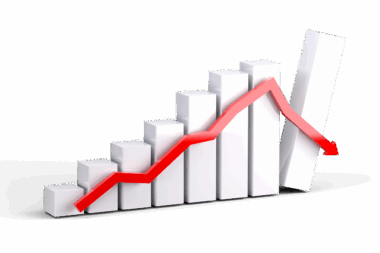
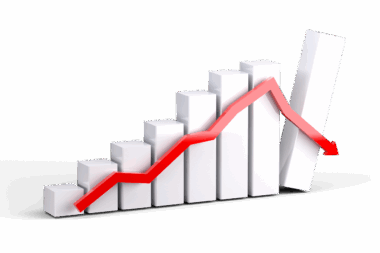
Economic indicators play a fundamental role in shaping the landscape of financial market volatility. Investors closely monitor these indicators to make informed decisions. Key indicators such as Gross Domestic Product (GDP), unemployment rates, and inflation are essential in predicting market trends. GDP reflects overall economic health, while unemployment rates provide insight into labor market strength. Inflation measures the price level and purchasing power changes within the economy. When these indicators show positive trends, they often boost investor confidence, leading to market stability. Conversely, negative indicators can create uncertainty, prompting volatility. For example, a sudden spike in unemployment can trigger panic selling among investors. As they react to changing economic conditions, volatility in the stock market or other financial markets often follows. Understanding the relationship between these economic indicators and market behavior is crucial for risk management. By analyzing these correlations, investors can better navigate periods of high volatility, optimizing their investment strategies. This insight can help prevent substantial financial losses. Investors can make strategic decisions based on sound analysis and observations of economic indicators, significantly influencing their portfolio performance.
Another critical aspect of economic indicators is their impact on interest rates and monetary policy. Central banks utilize these indicators, particularly inflation and GDP growth rates, to guide their monetary policy decisions. When inflation rates rise, central banks like the Federal Reserve may respond by increasing interest rates. Higher interest rates typically lead to elevated borrowing costs, which might cool consumer spending and business investments. This cooling effect can subsequently cause market volatility as investors reassess their positions. On the contrary, if economic indicators signal a weakening economy, central banks might lower interest rates to stimulate growth. This encourages borrowing and can lead to market rallying. Understanding this dynamic helps investors gauge potential shifts in market trends. The interaction between economic indicators and interest rates significantly shapes market perceptions and expectations. Consequently, investors should be mindful of the implications of interest rate changes on financial markets. Predicting how markets respond to monetary policy can provide investors with a strategic advantage. Savvy investors may leverage these insights to optimize their portfolios, mitigate risks, and enhance returns during fluctuating market conditions.
Market sentiment, influenced by economic indicators, plays a pivotal role in determining financial market volatility. Investor psychology can drive price movements significantly, impacting trading behavior and decision-making. For instance, positive economic indicators can instill a sense of optimism, encouraging buying activity. Conversely, negative indicators can trigger fear and apprehension, leading to selling pressures. The media also shapes market sentiment by highlighting economic indicators and their implications. Reports on economic growth or contraction can sway investor opinions rapidly. Market analysts often interpret these indicators to forecast future trends, making their understanding crucial for investors. A more informed investor is likely to take calculated risks rather than react emotionally to fleeting market news. Furthermore, investors increasingly rely on social media channels to gauge public sentiment towards specific economic indicators. This integration of psychological factors reflects the complexities of financial markets, where emotion and rational decision-making collide. It is essential for investors to balance technical analysis with sentiment analysis to navigate market volatility effectively. Combining these approaches can enhance their ability to react promptly to changing conditions and maintain a resilient investment strategy.
The Role of Global Events
Global events, such as geopolitical tensions and natural disasters, can also amplify the effects of economic indicators on market volatility. Such events often lead to sudden shifts in market confidence. For example, an unexpected military conflict or a natural calamity can disrupt supply chains and economic activities, leading to fluctuations in key economic indicators. This uncertainty influences investor sentiment, causing them to reevaluate their exposure to certain markets or assets. In times of crisis, the reaction from financial markets can be swift, resulting in increased volatility. Investors might respond by liquidating positions or hedging against potential downturns, further contributing to price swings. A clear understanding of how global events intertwine with economic indicators can be advantageous. Specifically, investors who track both aspects may better assess potential risks and identify opportunities amidst instability. The interconnectedness of global markets means that developments in one region can have cascading effects worldwide. Thus, a sound strategy includes monitoring economic indicators alongside geopolitical developments to potentially enhance investment decisions and manage risk adequately in volatile times.
Furthermore, technological advancements have revolutionized how economic indicators influence market volatility. With the rise of high-frequency trading and algorithmic strategies, data is processed and acted upon at unprecedented speeds. Economic indicators that previously took days or weeks to analyze are now instantly integrated into trading systems. This rapid response capability can result in increased volatility as traders take advantage of fleeting price changes. Consequently, the financial landscape becomes more susceptible to sudden corrections or spikes, emphasizing the importance of real-time data analysis. As a result, investors need to stay informed about economic developments and their implications on markets. Awareness of these technological shifts can empower investors to adapt their strategies effectively. Moreover, the utilization of artificial intelligence in market analysis allows for more sophisticated predictive modeling based on economic indicators. This evolution creates opportunities for informed decision-making, enhancing portfolio management amidst volatility. Investors who embrace these advancements will likely gain a competitive edge, making them better prepared to weather shifts effectively and optimize their investment strategies over time in dynamic market environments.
Investment Strategies During Volatile Times
During periods of heightened market volatility, investors must strategically navigate their portfolios to mitigate risks. One effective strategy is diversification across various asset classes. By spreading investments among equities, bonds, and commodities, investors can reduce exposure to any single economic indicator. Additionally, implementing stop-loss orders can help protect gains during unpredictable market movements. These orders automatically sell an asset when it reaches a predefined price level, limiting potential losses. Moreover, increasing cash positions during volatility allows investors to stay agile and capture opportunities when prices dip. Furthermore, understanding which sectors respond positively or negatively to specific economic indicators can enhance investment decisions. For example, during interest rate hikes, utility stocks may provide stability. Investors should actively adjust their portfolios in response to shifting economic indicators while adhering to risk management principles. By setting clear investment goals and adhering to structured strategies, investors safeguard their assets in tumultuous market conditions. Overall, combining an informed approach with predetermined strategies fosters resilience against market fluctuations, allowing for growth even in challenging environments, thus maximizing potential long-term investment returns against volatility.
In conclusion, economic indicators are pivotal in influencing financial market volatility, directly affecting investor sentiment and decision-making. By closely monitoring these indicators, individuals can gain valuable insights into potential market movements. Understanding the interplay between economic health and market behavior is critical for successful investing. The ability to analyze macroeconomic data, interest rate impacts, sentiment trends, and global events empowers investors to navigate volatility with informed strategies. Investors should responsibly leverage technology and data to enhance their market perspectives. Employing well-thought-out strategies while remaining adaptable to changes can lead to more sustainable investment outcomes. As economic conditions evolve, continued education and awareness become paramount in mastering the complexities of financial markets. Staying informed about global economic trends and their relationship with volatility enables investors to make prudent decisions. Additionally, incorporating risk management practices will contribute to a successful investment journey, especially during turbulent times. Ultimately, a comprehensive understanding of these factors will enhance investor confidence and performance, fostering resilience in both uptrends and downturns, while positioning investors to capitalize on emerging opportunities driven by economic changes.
Furthermore, aspiring investors may benefit from continuous learning about financial markets through various resources such as books, online courses, and webinars. The knowledge gained equips them to identify trends and refine their investment strategies. Participating in investment groups or forums facilitates discussions with other experienced investors, broadening their perspectives on market volatility. Networking with financial professionals grants access to expert insights on navigating turbulent times. Understanding behavioral finance concepts can also provide clarity on investor psychology and building better strategies. Ultimately, knowledge and awareness serve as pillars for informed decision-making when facing financial market volatility. Thus, leveraging educational opportunities can help investors hone their skills and create adaptive strategies allowing them to thrive in ever-changing market environments.