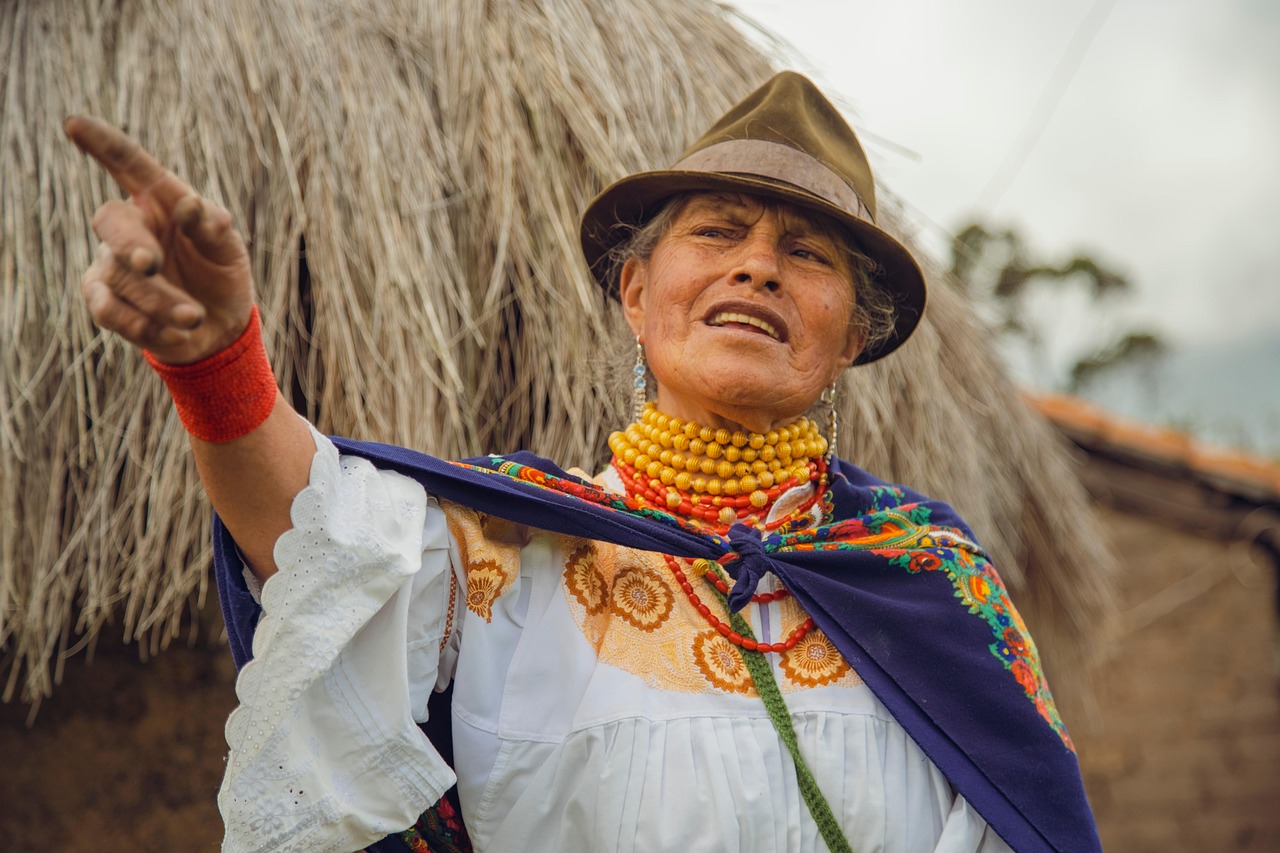

Negotiation Techniques Tailored to Indigenous Business Cultures
Understanding the intricacies of negotiation in Indigenous business cultures is essential for meaningful and effective outcomes. Indigenous cultures often emphasize relationships over transactions, valuing trust and mutual respect. When negotiating with Indigenous representatives, recognizing the importance of these relationships is paramount. Building rapport can involve sharing stories, cultural insights, and understanding the historical context of Indigenous communities. Engage in open dialogues that respect traditional practices and cultural values. Effective negotiation may include understanding family ties, social structures, and community involvement. Observing local customs, including body language and forms of communication, can significantly impact your negotiation efforts. Prioritize active listening, avoid interrupting, and be patient in discussions. Ensure that negotiations reflect the values and customs of the respective Indigenous group. Moreover, establishing a long-term relationship rather than focusing solely on short-term gains can facilitate better negotiation outcomes. Successful negotiators often adapt their strategies to align with the principles of reciprocity and collective benefit, ensuring that all parties gain from the agreement. Embrace flexibility during negotiations by considering Indigenous perspectives to foster collaborative environments.
Practicing Active Listening
Practicing active listening is crucial in negotiations with Indigenous partners. It involves fully engaging with the speaker, understanding their sentiments, and being supportive during discussions. In Indigenous cultures, silence can be a form of respect and thoughtfulness. Do not rush to fill pauses; give people time to express their views. This patience can lead to fruitful negotiations where guests appreciate your interest in understanding their concerns. Use non-verbal cues like nodding, maintaining eye contact, and appropriate hand gestures to show your engagement. Reflecting on what is said and paraphrasing can help clarify any misunderstandings. Asking thoughtful questions demonstrates your commitment to understanding their perspective. Moreover, validate their feelings and points of view, and acknowledge their insights as valuable contributions. This practice could result in developing an atmosphere of trust, crucial for establishing long-term partnerships. Additionally, learning some native language phrases can be seen as a sign of respect. It showcases your willingness to bridge cultural divides and positively impacts negotiation dynamics. By focusing on active listening, you can better navigate the distinct communication styles and cultural nuances present in Indigenous negotiations.
Cultural understanding is pivotal for effective negotiations with Indigenous businesses. It involves knowing the traditions, values, and historical contexts that shape the behaviors and expectations of Indigenous individuals. Each Indigenous community possesses its own unique cultural identity, which can significantly influence negotiation styles. Therefore, it’s imperative to conduct thorough research before entering negotiations. Understanding specific cultural elements, such as concepts of time, community participation, and decision-making processes, helps build respect and rapport. Some Indigenous cultures prioritize consensus and collaborative decision-making. Whereas others may lean towards hierarchical structures where elders lead. Adapting to these distinct processes can ensure smoother negotiations and foster mutual respect. Incorporating their cultural symbols or practices during meetings can lead to positive outcomes. Acknowledging and honoring cultural protocols, such as offering gifts or participating in welcome ceremonies, demonstrates genuine respect. Ensure that your approach reflects a willingness to engage at a deeper level. Mutual understanding allows both parties to negotiate from a place of trust, minimizing the potential for conflict. The infused cultural respect can result in innovative solutions beneficial for all involved parties.
Building long-term relationships in Indigenous business negotiations creates a foundation for future interactions. Relationships should extend beyond simple business transactions, facilitating mutual support and collaboration. Understanding the historical significance of relationships in Indigenous communities allows negotiators to approach discussions holistically. This mindset fosters a commitment to long-term engagement, establishing trust and familiarity. Financial rewards may arise from deals, but prioritizing personal connections can yield greater overall benefits. Engage with Indigenous partners in community events or cultural activities, enabling organic relationship growth. Share experiences and values, not just contractual agreements. When opposition arises, relying on established, strong relationships can alleviate tensions. A collaborative approach toward problem-solving can emerge when all parties are familiar with one another, which opens doors to finding creative solutions. Appreciating the overall importance of these relationships in negotiations reflects an understanding of the community’s values. Building partnerships that provide shared benefits ensures sustainability and fosters goodwill between entities while promoting cross-cultural understanding. In the spirit of Marshall McLuhan, effective negotiation practices extend learning beyond the transactional and into the realm of cultural connectivity.
Understanding Indigenous Values and Protocols
Understanding Indigenous values and protocols can enhance the effectiveness of business negotiations significantly. Each community possesses unique customs that may dictate preferences during negotiation, including who speaks and how discussions should be conducted. Incorporating their protocols can facilitate a smoother negotiation process. Researching specific practices shows respect and promotes dialogue. Many Indigenous groups emphasize the importance of the spiritual interconnectedness of people, land, and resources within their cultures. Acknowledging these values during negotiations can create a conducive atmosphere for agreement. In discussions, articulate your willingness to consider and integrate Indigenous knowledge systems into agreements. Furthermore, be mindful of the significance of land to Indigenous communities. Many believe in stewardship and sustainable practices regarding natural resources. Ensure any proposals respect these beliefs. Incorporating terms that reflect environmental sustainability can illustrate your alignment with Indigenous values. Additionally, recognize that negotiations can involve communal perspectives rather than individual interests. Involving community members in decision-making enhances trustworthiness and acceptance, resulting in a more favorable outcome. Emphasizing these values not only enriches negotiations but strengthens the ongoing partnership, integrating respect into future endeavors.
The use of storytelling in Indigenous cultures often plays a profound role in negotiations. Stories carry wisdom and knowledge, provide context for decisions, and serve as vehicles for sharing values. Understanding the narratives that shape an Indigenous community can enhance communication, fostering connection. Integrating storytelling into negotiations can bridge cultural divides and promote understanding. Encourage Indigenous counterparts to share their stories, reflecting their culture and experiences. By doing so, you create space for an empathetic dialogue that honors their voice. During your negotiation, share relevant stories illustrating obstacles overcome via collaboration, similar values, or mutual goals. Such exchanges can encourage confidence in your intentions and approach. The power of storytelling also lies in emotional connections, creating trust and familiarity that may be currently absent. Listen intently and acknowledge the complexities of these narratives, allowing for a deeper connection. Remember that these stories may also encompass experiences of historical trauma. Be sensitive to these elements during negotiations. Use storytelling as a tool not only for persuasion but for fostering connection, understanding, and broadening relational possibilities across cultures.
Final Thoughts and Future Directions
Final thoughts on enhancing negotiation techniques tailored to Indigenous business cultures can lead to diligent practices and lasting relationships. Respect lies at the core of all engagements, encompassing cultural awareness, active listening, and protocol understanding. As negotiators, embracing flexibility and adapting approaches to honor Indigenous perspectives can yield positive results. Long-term engagement necessitates acknowledgment of the unique social constructs governing Indigenous communities. Creating opportunities for shared learning encourages bridging cultural gaps. Collaborate on initiatives that promote communal benefits, ensuring that all parties involved feel valued and respected throughout the process. Future directions should include ongoing professional development courses focusing on cross-cultural communication highlights. Expanding knowledge of Indigenous histories and current issues fosters deeper understanding and responsibility in negotiations. Building partnerships should always prioritize not only economic gains but also social and environmental considerations. By facilitating continuous dialogue and engagement, negotiators can nurture enduring relationships that advance collective goals. Exploring Indigenous-led initiatives creates channels for shared prosperity and respect. As cultures continue to evolve, evolving negotiation techniques remain vital for effective partnerships with Indigenous entities, ensuring sustainability and mutual growth.
Successful negotiation with Indigenous cultures requires immersing oneself in their core values and beliefs. Respecting their customs is foundational for fruitful interactions and sustainable partnerships. Ignoring cultural nuances can yield strained relations and misunderstandings. Rather than approaching with a transactional mindset, prioritize the relationship by investing time in understanding their social dynamics and community structures. It is crucial to recognize how power dynamics shift when engaging with Indigenous business leaders, ensuring all voices are heard, and the collaborative spirit is honored. In negotiations, incorporating shared decision-making aligns with their values, leading to creative solutions that consider long-term impacts. Emphasizing shared interests and benefits enhances mutual respect and trust, promoting positive outcomes. Moreover, transparency must govern the negotiation process, where open and honest communication prevails. Acting with integrity and ensuring all commitments are honored solidifies reliability. Utilize mediation or facilitation when tensions arise to reach amicable solutions. Address any grievances respectfully to maintain relationship integrity. Pursuing negotiations as a pathway to community empowerment ensures dialogues remain focused on holistic outcomes. Bridging cultural differences through effective negotiation techniques will catalyze lasting collaborations that yield mutual benefits.