
Understanding Collections on Your Credit Report: A Comprehensive Guide
Your credit report is a comprehensive overview containing all the information about your credit history, including whether you’ve missed any payments or have accounts in collections. Accounts in collections occur when you fail to meet the payment obligations on your debts, such as credit cards or loans. When this happens, creditors often turn to collection agencies to recover funds. This action can result in a collection account appearing on your credit report, which can significantly impact your credit score. Understanding how collections work is vital for effective credit management, especially since these impacts can last for several years if not properly addressed. Consumers must know their rights under the Fair Debt Collection Practices Act, which protects them from abusive practices. Always verify the accuracy of the information being reported by the agency. Each collection entry becomes one part of your larger credit profile and can sway lenders in their evaluation process. Thus, being proactive in dealing with collections can benefit your long-term financial health and enable more favorable lending terms down the road.
How Collections Affect Your Credit Score
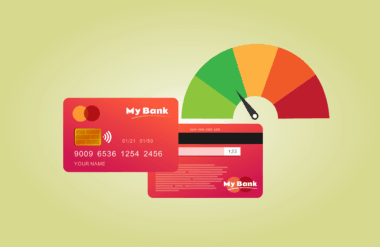
The presence of a collection on your credit report usually leads to a drop in your credit score. The effect of such a collection item depends on various factors, such as the age of the account and any previous credit behavior. Newer collections tend to have a more severe impact and can account for a larger portion of your overall credit score. Conversely, older collections can still be detrimental but their influence wanes over time. Understanding how these scores are calculated can help you devise a strategy to mitigate their negative effects. Make sure to regularly monitor your credit reports to identify any inaccuracies promptly. You should dispute any errors you find, as these inaccuracies can wrongly affect your creditworthiness. Consider employing credit repair services if you find it complicated to manage disputes effectively. It’s paramount to maintain open lines of communication with creditors and collection agencies during this process. Remember, responsible financial behavior going forward can outweigh past mistakes, helping you to reclaim a strong credit score over time.
After a collection account appears on your credit report, you will typically receive notifications from the creditor or collection agency. These notifications are essential as they inform you about the status of your debts. Responding to these notifications promptly is crucial. Sometimes, debtors may mistake collection notices for spam; however, ignoring them can lead to further complications, including legal actions. Your first step should be verifying whether the debt is yours. If it is, you can negotiate directly with the creditor or agency for a settlement or payment arrangement that suits your financial situation. It is possible to negotiate lower payoff amounts if you can pay a lump sum. Additionally, always ask for written confirmation of any agreement reached; this is crucial for ensuring that future collections do not mistakenly reflect unresolved issues. Often, a negotiated agreement might lead to a deletion of the collection account from your report. Make sure to pay what you agreed on; defaulting might adversely affect your future negotiations and credit standing.
Strategies to Handle Collections
Tackling collections effectively can be a turning point in restoring your credit health. Start by developing a strategy tailored to your financial situation. Prioritize your debts; this means focusing on those with the most significant impact on your score. You might consider making minimal payments on lesser impactful debts while investing resources to resolve larger obligations. Proactive communication is essential; keep your creditors informed and initiate negotiations when you find it necessary. Offering larger payments at once can demonstrate your commitment towards clearing your debt. In cases where financial hardship has emerged, explore hardship programs offered by lenders. These programs can often help you obtain temporary relief. Alternatively, you might want to consider credit counseling services—these can provide expert advice tailored to your specific situation. Furthermore, stay informed about consumer rights; understanding these could empower you during negotiations. Implement budgeting strategies alongside tackling collections to prevent similar situations in the future; maintaining a budget can ensure account obligations are met hence preventing additional collection accounts in the future.
Once you’ve made payments on your debt, you might be wondering how long the collection account will remain on your credit report. Typically, collections can stay on your report for up to seven years from the original delinquency date. Therefore, timing plays a significant role in managing your credit report. Knowing how to properly time your payments with respect to collection accounts can improve your credit standing sooner. To mitigate long-term damage, proactively addressing the collection by negotiating a settlement as soon as possible is vital. Even when debts have been settled, ensure that the credit bureaus have updated your account status on your report. This ensures potential lenders do not misinterpret your prior obligations as current issues. After a collection is resolved, consider monitoring your credit regularly to ensure that it reflects all changes accurately. Many services provide free access to your credit report and allow you to dispute inaccuracies. Continuing to build your credit responsibly post-resolution can help improve your overall credit profile significantly.
Rebuilding Your Credit After Collections
Rebuilding your credit score may take time, especially after collections have emerged on your report. However, implementing smart credit practices can yield positive results. Start by ensuring all future payments are made on time; even one missed payment can hinder progress. Explore using secured credit cards, which can provide an opportunity to establish new positive credit history. Demonstrating management of new accounts responsibly can alleviate the effects of past collections. Keep credit utilization low—ideally below 30% of your available credit limit—to showcase responsible borrowing. Avoid applying for multiple credit accounts within a short period, as too many inquiries can decrease your score. Further, become an authorized user on a responsible person’s credit card, allowing you to harness their positive credit behaviors. Additionally, maintain old credit accounts even if unused, as this can establish a longer credit history. Active participation in credit education is crucial. Knowledge of managing your credit effectively empowers you to avoid collections in the future, consequently, assisting in rebuilding your credit profile over time.
Finally, the role of patience and persistence cannot be underestimated when handling collections and rebuilding your credit. Results will not happen overnight; rather, they require consistent effort and commitment to responsible financial practices. Each positive action taken can contribute to an upward trajectory for your credit score. Consider setting targeted goals as milestones, which can keep you motivated. It might be to pay off a certain percentage of outstanding debts or to establish a particular amount in savings. Always maintain a record of your agreements with creditors and collection agencies for transparency. Moreover, inspiring yourself with success stories can provide hope during challenging times. Take advantage of tools and resources offered through financial literacy programs, as they guide you in improving credit health. Engage with community organizations that provide assistance; these entities often offer programs for credit repair. Remember, the journey to financial restoration can transform not just your credit score but also your overall financial wellness. It’s a transformative experience that demands both resilience and strategy.