
Understanding Credit Score Ranges and What They Mean
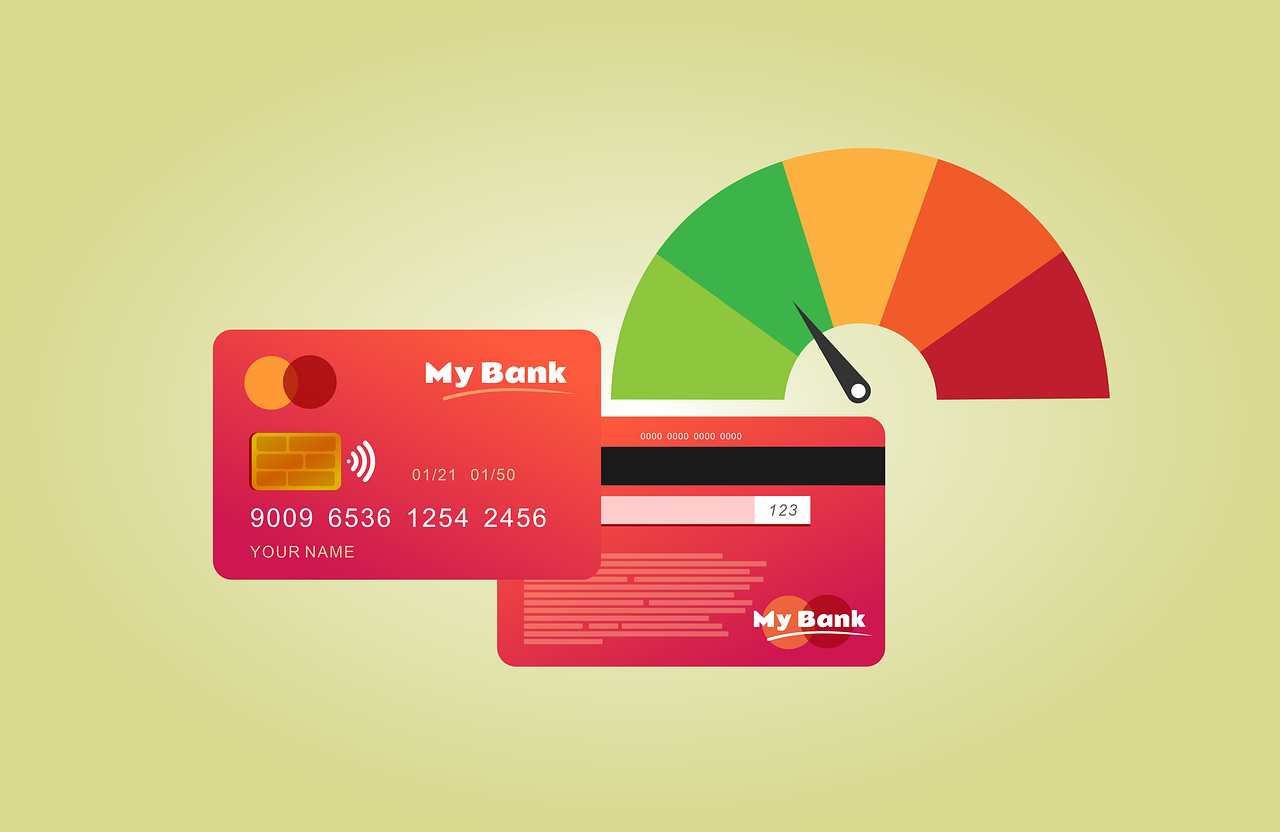
Credit scores are numerical representations of your creditworthiness, influencing lenders’ decisions regarding loans and credit. Generally, scores range from 300 to 850. Understanding these scores is crucial for financial health. The categories include excellent, good, fair, and poor. Excellent scores are typically above 750, indicating a highly favorable credit history. Good scores range from 700 to 749, suggesting reliability in repaying debts. Fair scores, between 650 and 699, often raise concerns for lenders, whereas scores below 650 fall into the poor category. Poor scores may lead to higher interest rates or loan denials. It’s essential to regularly monitor your credit score, as small changes can have significant impacts on overall financial opportunities. Many factors affect your score, including payment history, amounts owed, length of credit history, new credit, and types of credit in use. Managing these factors can help maintain a favorable score, opening doors to better rates and terms on loans. Understanding how these components interplay affects your scoring will empower smarter financial choices for your future and stability.
Components of Credit Scores
Delving deeper into credit scores lets you comprehend factors influencing them. The FICO score model, widely used, weighs the components distinctly. Approximately 35% of your score derives from payment history, reflecting reliability in credit management. Timely payments enhance this aspect while late payments dramatically decrease scores. The next significant factor is amounts owed, accounting for about 30% of your score. This involves your credit utilization ratio, which should ideally remain below 30%. Credit history length, making up about 15%, rewards longstanding credit accounts, showing lenders your experience in managing credit. New credit inquiries represent around 10%, where too many hard inquiries can lower your score temporarily. Lastly, the types of credit in use contribute to your score by showing diversity in your borrowing habits, such as revolving accounts like credit cards versus installment loans like mortgages. Understanding these elements equips individuals with the knowledge needed to modify behaviors positively affecting their credit scores. Regularly address areas needing improvement, and you can meaningfully enhance your financial landscape.
To improve your credit score, begin with systematic habits designed to boost your score consistently over time. One foundational practice involves timely payments; setting reminders or automating payments can prevent missed deadlines. Evaluating your credit utilization ratio regularly is also vital. Lowering your owed amounts relative to your total available credit drastically improves your score. This can involve paying down existing balances or asking for credit limit increases, but do so cautiously to avoid overextending yourself financially. Another essential practice involves reviewing your credit report for errors. Disputing these inaccuracies can lead to score improvements. The significance of maintaining diverse credit types cannot be overlooked; this diversity can enhance your scoring by demonstrating your capacity to manage various credit forms responsibly. Sometimes, establishing a secured credit card can help those with poor or little credit history establish positive credit behavior. Patience is critical in this process; improving a credit score does not happen overnight, but with diligent practices over time, individuals can see fruitful results. By implementing these strategies, one can progressively shape a healthier financial profile.
The Impact of Credit Scores
Understanding the impact of your credit score is crucial for navigating financial landscapes effectively. This score affects mortgage rates, personal loans, and even insurance premiums. Lenders use credit scores to determine the likelihood of repayment; thus, higher scores generally lead to lower interest rates. Consequently, maintaining a favorable score translates into substantial monetary savings over time. Employment opportunities can also hinge on credit scores, as some employers conduct credit checks. A poor credit score could, unfortunately, influence hiring potential, particularly in financial positions. Furthermore, landlords often evaluate credit scores before approving rental applications, making your score essential in securing housing. Better credit also enhances negotiating power with lenders, enabling favorable terms regarding loans and credit agreements. The value of good credit extends beyond immediate financing; it shapes long-term financial stability. Given these implications, individuals must prioritize understanding their scores and recognize the benefits of cultivating a healthy financial profile. This knowledge encourages individuals to take proactive measures to enhance credit scores, thus facilitating a more secure financial foundation.
Monitoring your credit score is vital; there are numerous available resources to facilitate this. Credit monitoring services offer free access to your credit score and report, alerting you to changes in real-time. Many financial institutions offer these services as a part of their banking packages. Regularly checking your score helps maintain awareness of your financial health and informs any needed adjustments in your credit management. Additionally, consider leveraging free annual credit report access provided by various credit agencies, allowing you to review any inaccuracies. The insight from this review can guide actions to improve your score. Educational resources also exist through various platforms, helping demystify credit management. Many online courses and articles can enhance your understanding of optimal credit practices. Engaging in financial education fosters better decision-making regarding borrowing, managing, and repaying debts. However, be cautious of companies promising miraculous credit repairs. Legitimate avenues for improvement require time, structured habits, and efforts; shortcuts often lead to further complications. By actively managing your credit and acknowledging the significance of regular monitoring, you can inspire progress toward long-term financial health.
Long-term Solutions for Credit Improvement
Improving and maintaining your credit score is a long-term endeavor that necessitates commitment and clear strategies. Beyond immediate actions, such as timely payments and reducing credit utilization, focus on cultivating healthy financial habits over time. A foundational long-term solution is establishing an emergency fund; this financial cushion can prevent reliance on credit cards during abrupt expenses. Consistently contributing monthly to savings helps avoid debt traps and supports better credit management. Another essential practice includes setting financial goals that encourage thoughtful borrowing. Aim to take on credit only as needed and plan paybacks methodically, ensuring minimal negative impact on your score. Additionally, consider seeking assistance from certified financial counseling services when needed. These experts can provide personalized strategies tailored to your situation, helping foster responsible credit management. Moreover, involving family members, including younger generations, in discussions surrounding credit scores can promote a culture of financial literacy, ensuring awareness of best practices. As you implement these long-term solutions, you cultivate an enduring approach to credit management, ultimately leading to improved long-term financial outcomes.
Embrace the journey toward understanding and improving your credit score; this journey is lifelong and inherently rewarding. Active engagement in financial literacy goes beyond mere numbers; it empowers you to shape a brighter financial future. By consistently applying lessons learned, focusing on reducing debt, and maintaining timely payments, a healthier credit score will soon reflect your efforts. Remember, while setbacks are often part of the financial landscape, resilience and informed practices ultimately define success. Share knowledge of credit scores with peers and family members, fostering a community of financially aware individuals who support one another in improving their scores. Stay updated on legislation affecting credit and personal finance; regulations often change, creating new opportunities or challenges for consumers. Participating in workshops and online forums allows sharing experiences, insights, and tips with others on similar journeys. Encourage those around you to prioritize financial health, ultimately lifting entire communities as they collectively create better financial futures. By understanding your credit score and actively engaging in sound financial practices, you lay the groundwork for enduring stability and future prosperity.
Conclusion and Next Steps
In conclusion, recognizing what credit scores imply is invaluable in navigating loans responsibly and seizing financial opportunities. These scores reflect your credit behavior and can empower you to make informed decisions while seeking loans or credit. Prioritize familiarizing yourself with scores and their respective implications through continual learning. Maintaining healthy financial habits, such as timely payments, lowering outstanding debts, and utilizing credits wisely, is critical for fostering favorable scores. With deliberate planning and effort, you can build and maintain a solid credit profile. Consider engaging with financial advisors for personalized strategies to enhance your score further and prepare for future financial ventures. Invest time into understanding and utilizing credit reports, as these provide insight into potential areas for improvements within your credit behavior. Your journey toward credit score improvement can lead to significant rewards, enhancing your financial landscape in the long run. As you take determined steps toward managing your credit score effectively, the benefits of achieving a better score will unfold dramatically, shaping a financially healthier future.