
What to Do When Your Car Breaks Down Unexpectedly
Experiencing a car breakdown can create a financial nightmare for anyone. To manage such emergencies effectively, it’s crucial to have a financial plan in place. Firstly, make sure to have an emergency fund specifically reserved for unexpected situations like this. Financial experts recommend setting aside three to six months’ worth of expenses in a high-yield savings account. This safety net will provide peace of mind, allowing you to address your auto issue without additional stress. Moreover, regularly maintaining your vehicle can help reduce the likelihood of breakdowns. Scheduled inspections and routine checkups can uncover potential problems before they escalate. Creating a budget that includes car maintenance costs is essential, as it acknowledges the possibility of these unexpected expenses. Finally, become familiar with your auto insurance policy. Some policies offer roadside assistance as a covered service. Check your coverage to ensure you won’t be left stranded, or determine if a quick upgrade to your policy is needed for added security. By preparing financially for emergencies, you can handle breakdowns more smoothly, leading to less stress and a quicker resolution when these unfortunate incidents occur.
Understanding the costs involved in car repairs is important for effective financial planning. Car repairs can range in price from minor fixes to major overhauls. To mitigate the financial burden, it’s a good idea to get multiple quotes from different mechanics. Compare these estimates and ensure that the chosen shop has a good reputation. You should also prioritize repairs based on urgency. If the breakdown is critical, immediate repairs become necessary, whereas minor issues can sometimes wait. Factor in potential towing costs when calculating your overall budget for vehicle repairs. Towing services can vary widely in price, often depending on the distance and the time of day. If you belong to a roadside assistance program, this might be covered without additional fees. Also, consider your car’s age and value when deciding on repair expenses. For older vehicles, sometimes spending a lot on repairs may not be financially wise. A cost-benefit analysis can help you decide if investing in repairs is worthwhile or if it’s time for a new vehicle. By being informed about potential expenses and acting wisely, a breakdown can turn into an opportunity rather than a financial disaster.
Negotiating Repair Costs
When your car breaks down unexpectedly, negotiating repair costs can be a helpful strategy to avoid overspending. Mechanics sometimes provide a labor estimate that can be high, especially if the repairs seem complex. It’s crucial to remain calm and polite while discussing different repair options with your mechanic. Ask for a detailed breakdown of labor and parts to clarify costs, and don’t hesitate to ask about cheaper alternatives or even used parts if feasible. In some cases, mechanics may offer discounts for cash payments or for customers who are regulars at their shop. You could also inquire if they allow for a payment plan, which can ease financial strain if costly repairs are needed. Additionally, researching average repair costs online can empower you to negotiate effectively. Websites like RepairPal provide average estmates for common repairs and get some clarity about the costs involved. Always ensure that the mechanic you choose is trustworthy and certified; reputable mechanics would not mind discussing payment plans or discounts with you. Taking these steps can significantly lessen the financial blow of sudden repair expenses.
During a financial emergency like a car breakdown, consider using available resources. Community organizations or local charities often assist individuals facing unexpected challenges. Research programs in your area offering financial support or low-cost repairs for eligible individuals. Moreover, social media is another potential resource. Many community groups and forums focus on helping residents with financial difficulties, including car repairs. By sharing your situation, someone may be able to extend help or give advice based on their experiences. If you’re employed, check to see if your workplace has any emergency relief programs or resources available to employees. Sometimes, companies partner with local services to assist employees during tough situations. Additionally, consider asking family or friends for assistance. They may be willing to lend you a vehicle or help cover repair costs temporarily. Be transparent about your situation and ensure they know you’re committed to paying them back. Lastly, a small personal loan could be an option, although it’s essential to assess the interest rates and repayment terms critically before proceeding. By searching for help from community resources, you can find support to ease the burden of a sudden car breakdown.
The Importance of Insurance Coverage
When planning for financial emergencies such as car breakdowns, reviewing your auto insurance coverage is vital. Comprehensive insurance may offer features like roadside assistance, towing, and rental car coverage. Understanding the specifics can aid in making informed decisions during a crisis. Check what your policy covers and any deductibles, as having this information can minimize out-of-pocket expenses when emergencies arise. If your current insurance doesn’t provide sufficient coverage for breakdowns, consider shopping around and switching providers. Many insurance companies offer discounts for bundling policies, and they can even provide better benefits. It’s also wise to familiarize yourself with your state’s regulations regarding auto insurance. Some states require more robust coverage options, while others offer basic coverage plans. Regularly reviewing your policy not only keeps you informed about your coverage but can save you money by providing opportunities for savings through adjustments or discounts. Ultimately, having the right coverage in place will lead to less stress during emergencies, ensuring you’re protected financially and not caught off guard should an unfortunate breakdown occur.
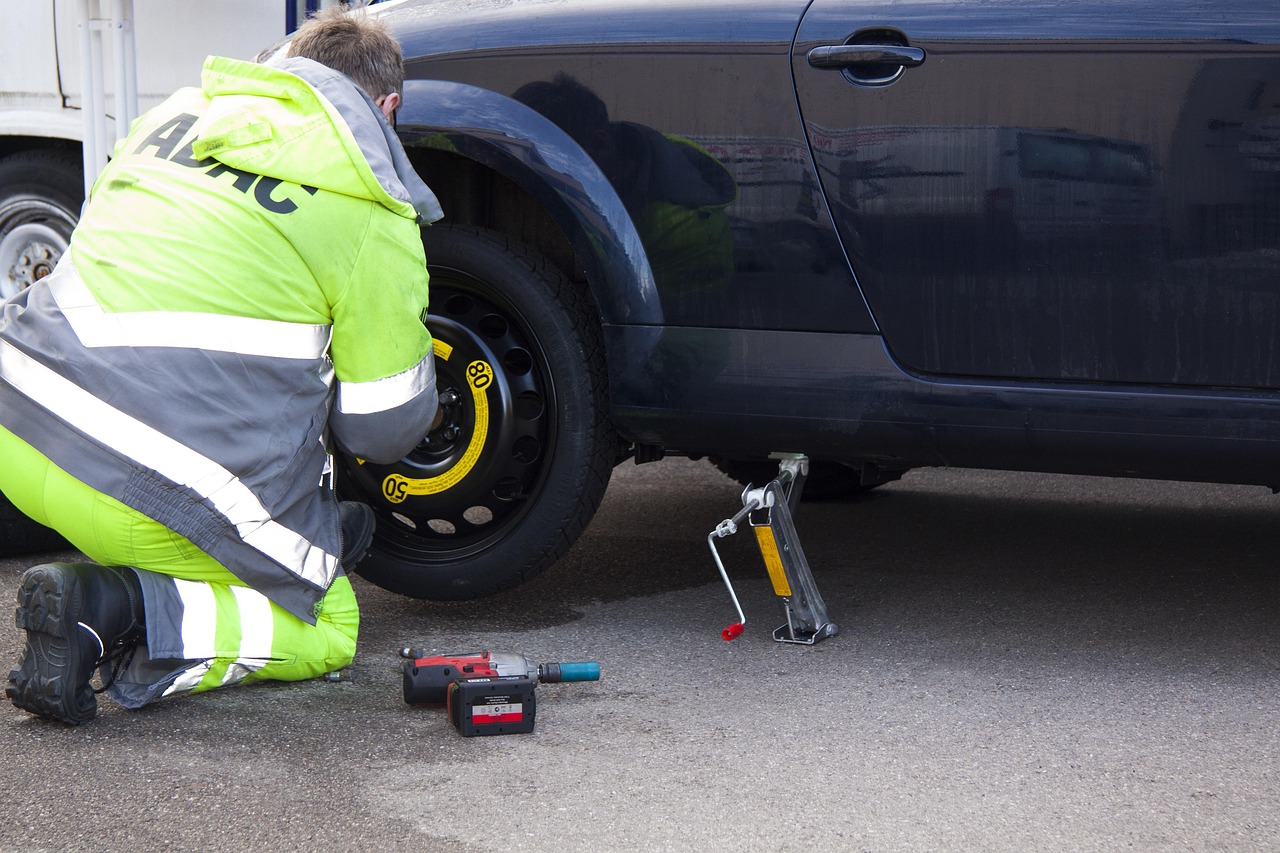
Preparing for the possibility of a car breakdown can even extend to preventative measures. Regular vehicle maintenance is essential for prolonging your vehicle’s lifespan. Schedule routine oil changes, tire rotations, brake inspections, and filter changes to keep your car in good condition. These proactive approaches will minimize the risk of sudden failures. Additionally, pay attention to warning signs. Unusual noises, warning lights, and changes in handling could indicate problems that need immediate attention. Familiarizing yourself with basic automotive skills can empower you to handle minor issues effectively. Consider learning to change a flat tire, jumpstart a battery, or recognize when your vehicle needs professional help. These skills can save you time and potentially reduce repair costs if you can address minor issues. Furthermore, always keep an emergency kit in your vehicle, including essential items like jumper cables, a first aid kit, and basic tools. A well-stocked emergency kit can also make a significant difference if you get stranded on the road. Preparing in advance allows you to face breakdowns with confidence, knowing you have the resources to handle whatever situation arises.
Exploring Alternatives for Transportation
After an unexpected breakdown, finding alternative transportation options is crucial while your vehicle is being serviced. Public transportation is often the first line of defense, so familiarize yourself with routes and schedules in your area. In many cities, buses or trains offer affordable and reliable means of getting around. Additionally, rideshare services like Uber and Lyft can be convenient for short distances or urgent errands. Be mindful of your budget when using these services, as costs can add up quickly. Car-sharing services present another option, allowing you to rent a vehicle for a few hours or days. Many platforms connect users with local car owners who rent their cars, providing affordable alternatives without the hassle of paperwork. Don’t forget to consider bicycle rentals or even walking if you’re in proximity to your destination. These options can be not only cost-effective but healthier, as well. Exploring alternative transportation can help maintain your daily life while managing the inconvenience of an unexpected car breakdown, so take advantage of the resources around you and remain proactive during this time.
Dealing with a car breakdown can feel overwhelming, but a strategic approach makes the process more manageable. Building a financial buffer that caters to these unexpected expenses will prepare you for emergencies when they occur. Throughout this article, important steps include understanding repair costs, utilizing community resources, and having adequate insurance coverage. Each decision you make can lead to a more stable financial position, especially during trying situations like car troubles. Being proactive rather than reactive not only eases the stress of such breakdowns but can also save you money and time in the long run. Embrace regular maintenance, and familiarize yourself with your vehicle’s needs. This knowledge, coupled with a financial safety net and access to community resources, ultimately positions you for success. Always keep in mind that you’re not alone in facing these challenges; many services exist to assist you. Lastly, maintaining sobriety and vigilance while driving ensures that you mitigate risks associated with potential breakdowns. Remember, proper preparations today can significantly lessen the burden when you encounter the inevitable financial emergency, improving your overall financial health and mobility.