
Incident Response and Disaster Recovery Planning in Finance
In today’s financial sector, effective incident response planning is critical for maintaining data security and regulatory compliance. Organizations must create a thorough incident response plan that outlines the protocols for identifying, managing, and responding to security breaches or data incidents. The first step in this process involves risk assessment, enabling firms to identify potential threats and vulnerabilities in their systems. By doing so, organizations can develop targeted strategies for mitigating these risks. Furthermore, a well-structured incident response plan includes designated roles and responsibilities for team members, ensuring prompt action during an incident. This collaboration among stakeholders enhances communication and coordination, significantly improving the organization’s ability to handle incidents efficiently. Regular training sessions and simulations should also be conducted to prepare staff adequately for real crises. Lastly, continuous review and improvement of the incident response plan are essential to adapt to changing threats and vulnerabilities in the financial landscape. Staying updated on emerging threats ensures that the organization can respond effectively and minimize damage during an incident.
Disaster recovery planning extends the scope of incident response by focusing on restoring systems and data after a security incident or disaster has occurred. A well-crafted disaster recovery plan outlines recovery objectives, including Recovery Time Objectives (RTOs) and Recovery Point Objectives (RPOs), which help set clear expectations for restoring services. Financial institutions must examine their data backups, redundancy systems, and offsite storage solutions to ensure they can recover essential information promptly. Effective communication strategies during a disaster are crucial to keep stakeholders aware of recovery efforts. Organizations should also assess their insurance policies to ensure that they cover potential losses due to data breaches or other incidents. Regular testing of the disaster recovery plan is vital to ensure its effectiveness and uncover any gaps that need addressing. Simulations and drills can help organizations assess recovery capabilities and refine processes. In addition to technological redundancies, ensuring personnel readiness is key. Employees should understand their roles and responsibilities within the disaster recovery framework. Through comprehensive planning and preparation, businesses can minimize downtime, financial losses, and reputational damage resulting from incidents.
Collaboration with third-party service providers offers significant advantages in strengthening incident response and disaster recovery plans. Financial institutions often rely on various vendors for technology, cloud storage, and security services. This reliance necessitates a comprehensive understanding of vendor capabilities, as well as incorporation into the incident response framework. Service level agreements (SLAs) should include specific terms related to incident response and recovery timelines, ensuring that third-party providers align with the organization’s disaster recovery goals. Regular assessments of vendor performance regarding these SLAs are essential to maintain accountability. Moreover, organizations must establish solid communication channels with vendors during an incident to facilitate rapid support and resource availability. Effective collaboration can accelerate the recovery process and ensure rapid resolution of incidents. Establishing mutual aid agreements with other financial institutions can further enhance incident response capabilities, allowing organizations to share resources and information during crises. This collective approach can be invaluable in enhancing the resilience of the broader financial ecosystem. Building strong partnerships and understanding the role of third parties aids in creating a resilient incident response and disaster recovery strategy.
Regulatory compliance is a fundamental aspect of incident response and disaster recovery planning in finance. Financial institutions are obligated to comply with various regulations and standards designed to protect sensitive customer data. Non-compliance can result in significant fines, penalties, and reputational harm. Consequently, organizations must become familiar with relevant regulations, such as the General Data Protection Regulation (GDPR), the Health Insurance Portability and Accountability Act (HIPAA), and specific regional or national financial regulations. Incorporating compliance requirements into their incident response plans ensures adherence to guidelines while responding to incidents. Regular audits and evaluations should be conducted to assess whether existing protocols meet compliance standards. Furthermore, organizations must maintain accurate documentation of incidents and responses to demonstrate compliance with regulatory requirements. This information not only enhances future responses but also provides valuable insight into the organization’s risk posture. By prioritizing compliance, financial institutions bolster their credibility and customer trust. Establishing a culture of compliance throughout the organization promotes accountability and proactive measures toward risks and incident management.
Continuous Improvement in Incident Response Planning
One of the key aspects of developing effective incident response and disaster recovery plans is the principle of continuous improvement. Organizations must regularly revisit and update these plans based on lessons learned from previous incidents or near-misses. Analyzing past incidents provides valuable insights into areas that require enhancement, enabling organizations to refine their protocols. Post-incident reviews are essential to assess what worked well and what could be improved. Stakeholders should participate in these evaluations, aggregating feedback from various departments, including IT, operations, legal, and compliance. In addition, staying informed about emerging threats and vulnerabilities is vital for continuous improvement. Cybersecurity trends and incident response techniques evolve rapidly, and organizations must stay updated on best practices and emerging technologies. Participating in industry forums and collaborating with peers can provide additional insights into effective strategies. Utilizing security metrics and key performance indicators (KPIs) to monitor response times and recovery effectiveness is another means of fostering continuous improvement. By creating a culture focused on learning and adaptation, organizations can enhance their resilience against future incidents.
The role of technology in incident response and disaster recovery planning cannot be overstated. Innovative technologies, such as artificial intelligence (AI) and machine learning (ML), offer financial institutions the opportunity to enhance their threat detection and response capabilities significantly. These tools can analyze vast amounts of data in real-time, identifying potential threats before they escalate into serious incidents. Automated incident response tools can streamline the process, enabling organizations to take immediate action against detected threats. Furthermore, financial institutions should consider leveraging cloud-based solutions, which offer scalability and flexibility during disaster recovery efforts. Cloud technology enables firms to recover data more efficiently and restore services with minimal disruption. Additionally, establishing a centralized security operation center (SOC) can improve coordination of incident response activities, ensuring timely and effective responses. Investments in cybersecurity training and simulation exercises for staff are equally important, preparing employees to recognize threats and react appropriately. By integrating advanced technology and prioritizing training, organizations can significantly improve their incident response and disaster recovery plans, ultimately securing sensitive financial data.
Conclusion and Future Trends
As the financial landscape continues to evolve, incident response and disaster recovery planning will remain essential for safeguarding data security. Financial institutions must adapt to emerging technologies and threats, continually enhancing their strategies for incident management. New regulatory requirements may prompt update cycles for incident response plans to ensure compliance and relevancy, further driving the need for ongoing assessments. Additionally, as cyber threats become more sophisticated, organizations must invest in advanced cybersecurity measures and improve communication channels among teams. The integration of new technologies like blockchain and artificial intelligence will likely play a role in shaping the future of incident response planning. Innovations such as these may offer enhanced authentication methods and streamline data recovery processes. Building a proactive incident response culture throughout the organization will significantly impact resilience against cyber threats. By fostering collaboration, continuous improvement, and a focus on technological advancements, financial institutions can ensure they are well-prepared to navigate the complexities of incident response and disaster recovery in an increasingly digital world.
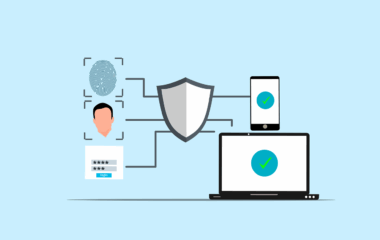
[Insert Image: Data Security in Finance]