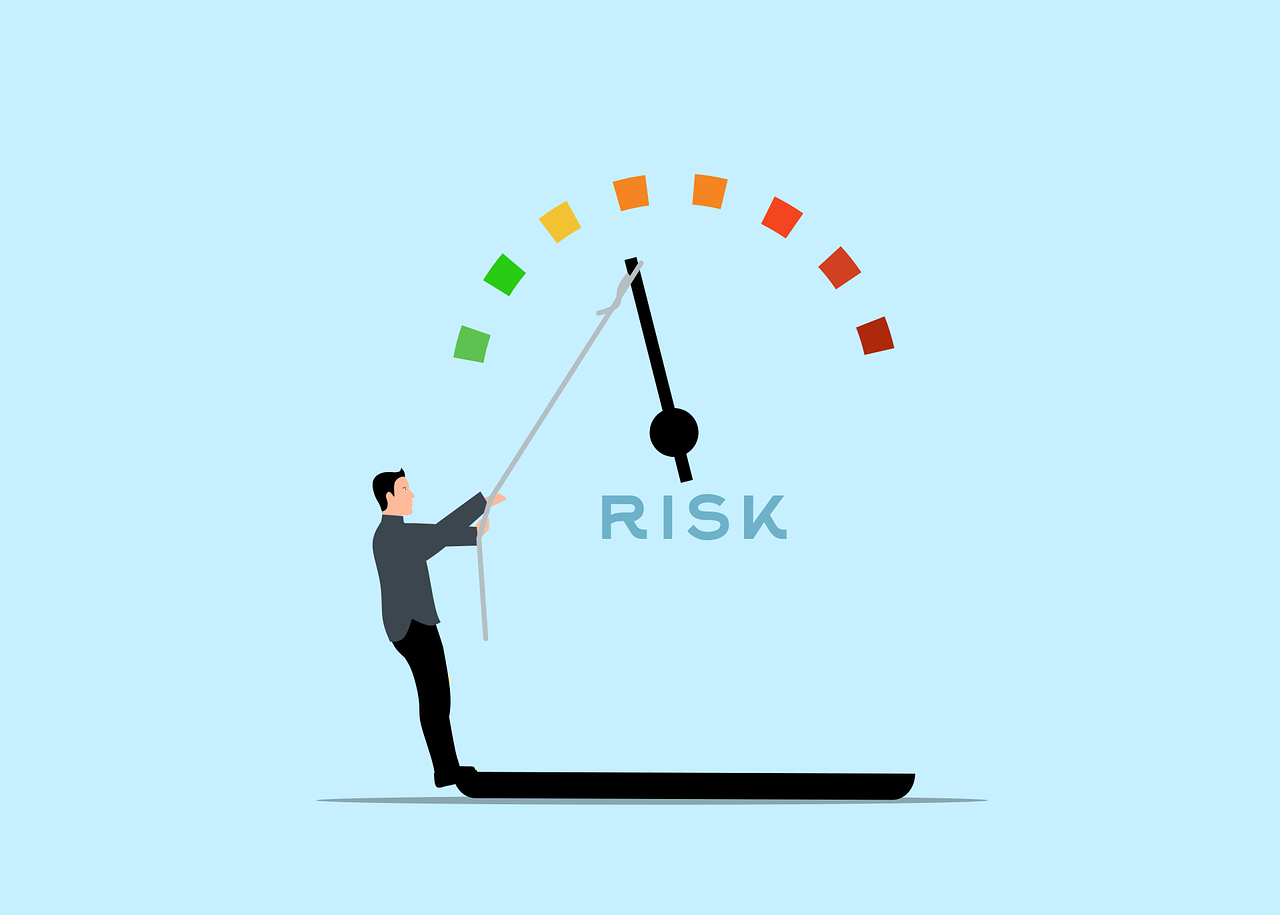

Risk Management and Sustainability in Corporate Governance
Risk management is an integral aspect of corporate governance, particularly in the context of sustainability and Corporate Social Responsibility (CSR). Organizations are increasingly recognizing that effective governance frameworks must incorporate sustainable practices to ensure long-term viability. By integrating sustainability into risk management, companies not only mitigate risks but also identify new opportunities for growth and innovation. This approach enables businesses to enhance stakeholder engagement and improve reputation while aligning with external regulatory pressures and societal expectations. Furthermore, a proactive risk management framework allows organizations to adapt to changing environmental conditions, addressing issues such as climate change and resource scarcity. Companies must evaluate environmental, social, and governance (ESG) risks systematically to create a resilient business model that demonstrates accountability and transparency. Delivering sustainable value requires a comprehensive policy that encompasses stakeholder input and utilizes both qualitative and quantitative assessments. Therefore, organizations are expected to develop and maintain robust risk management processes that facilitate the integration of sustainability into their core strategy and decision-making, ultimately fostering a culture of responsible governance.
Effective risk management begins with identifying potential risks associated with sustainability initiatives. Organizations must develop frameworks that allow them to continually assess and manage ESG-related risks, identifying key areas of concern. This systematic process often involves conducting risk assessments, monitoring stakeholder feedback, and ensuring compliance with relevant regulations. Companies can utilize various tools and methodologies, such as risk heat maps and stakeholder analysis, to prioritize risks based on their potential impacts. Moreover, organizations should focus on establishing clear communication protocols to keep stakeholders informed about risk management strategies. Educating employees, management, and external stakeholders about sustainability risks can foster collaboration and a shared commitment to environmental responsibility. This collaborative effort can strengthen partnerships with various stakeholders, including investors, customers, and local communities. Through transparency and engagement, organizations can build trust and encourage active participation in sustainability initiatives. Businesses can thereby create a more sustainable operation that benefits not only themselves but also society at large. Ultimately, a transparent risk management process will pave the way for improved decision-making in achieving long-term sustainability goals.
The Role of Leadership in Sustainability and Risk Management
Leadership plays a crucial role in embedding sustainability into the corporate governance framework. Top management must champion sustainability initiatives and ensure that these initiatives are integrated into the organization’s strategic objectives. Effective leaders exhibit commitment to sustainability by establishing clear visions and policies that align with risk management practices. They guide organizations toward innovative solutions that address complex challenges and promote a culture of sustainability throughout the institution. In this context, it is essential for leaders to foster an environment where stakeholders at all levels are encouraged to participate in sustainability efforts. Moreover, empowering teams to take ownership of sustainability initiatives can enhance motivation and drive success. Establishing a cross-functional team that prioritizes sustainability within risk assessments can lead to valuable insights and best practices being shared across departments. Recognizing that sustainability is an ongoing journey, leaders must continually reinforce the importance of integrating sustainability in daily operations. By prioritizing sustainability in the corporate governance structure, companies can effectively address risks, capitalize on opportunities, and create long-term value for stakeholders.
A critical component of risk management related to sustainability is the establishment of clear performance metrics. Organizations need to track and measure their sustainability initiatives’ effectiveness to manage risk effectively. Establishing key performance indicators (KPIs) can help organizations assess their progress toward sustainability goals and identify areas needing improvement. These indicators should encompass various aspects, including resource efficiency, carbon footprint, and social impact. By aligning KPIs with corporate governance objectives, companies can ensure that sustainability becomes an integral part of their decision-making processes. Monitoring performance allows organizations to adapt and pivot their strategies based on findings derived from data analysis. This practice encourages a culture of continuous improvement where organizations are motivated to achieve their sustainability targets actively. Additionally, transparency in reporting progress against these metrics can enhance stakeholder trust and engagement, fostering greater commitment to corporate responsibility. Organizations can subsequently enhance their reputation and foster loyalty among consumers who value sustainability. By embedding performance metrics into governance practices, companies can demonstrate responsibility and leadership in addressing ESG risks.
Stakeholder Engagement and Risk Management
Engaging stakeholders effectively is vital for organizations looking to align their risk management strategies with sustainability goals. Different stakeholders have varying interests, and their insights often provide valuable perspectives that can strengthen corporate governance efforts. By proactively communicating with stakeholders, such as employees, investors, customers, and communities, organizations can gather pertinent information about potential risks and opportunities. Engaging in dialogue helps to clarify expectations and encourages stakeholders to share their perspectives on sustainability practices, thereby fostering collaboration. Additionally, organizations can improve their trustworthiness by demonstrating that they value stakeholder input in decision-making processes. Transparency regarding sustainability-related risks enables stakeholders to make informed choices regarding their investments and commitments. Regular feedback mechanisms, such as surveys and focus groups, can enhance engagement and allow organizations to assess stakeholder sentiments effectively. By integrating stakeholder feedback into the organization’s risk management processes, companies can better anticipate emerging trends and adapt to evolving regulatory landscapes. Thus, strong stakeholder engagement can lead to more effective risk management and sustainability outcomes, ultimately supporting long-term success.
In order to effectively manage risks associated with sustainability, organizations may benefit from adopting a comprehensive reporting framework. Sustainability reporting can showcase the company’s progress towards achieving ESG goals, while providing transparency regarding financial and non-financial risks. By publicly reporting on sustainability initiatives, organizations can enhance accountability, ultimately increasing stakeholder confidence in their corporate governance practices. Various frameworks, such as the Global Reporting Initiative (GRI) and the Sustainability Accounting Standards Board (SASB), provide essential guidance for organizations seeking to communicate sustainability-related performance. In addition to enhancing external perceptions, internal reporting mechanisms can drive performance improvements by monitoring strategy implementation. Organizations should strive to set ambitious yet achievable goals that allow for periodic assessments and course corrections. Properly executed sustainability reporting equips organizations to communicate their risk management strategies more effectively, fostering a culture of innovation and adaptability in achieving sustainability objectives. Consequently, integrating robust reporting practices into the governance framework empowers companies to address the complexities of sustainability while managing risks effectively throughout their operations.
Conclusion on Risk Management and Sustainability
In conclusion, the integration of risk management and sustainability within corporate governance is essential for organizations striving for long-term success. By embedding sustainability into risk management processes, companies can identify and mitigate potential risks while unlocking new opportunities for growth. Strong leadership commitment and effective stakeholder engagement are key drivers that enable organizations to navigate the complexities of sustainability in a rapidly changing business environment. Furthermore, the establishment of performance metrics and comprehensive reporting frameworks can enhance transparency and accountability in addressing ESG risks. Ultimately, embracing sustainability as a core principle in corporate governance fosters trust among stakeholders and supports increased resilience. As organizations continue to face evolving challenges associated with climate change, social responsibility, and governance, adopting a risk management approach centered around sustainability will empower them to thrive in an increasingly competitive landscape. By proactively addressing these essential aspects of corporate governance, companies not only position themselves for success but also contribute to a more sustainable and equitable future.
This journey requires continuous adaptation as organizations evolve and scale their operations. It is incumbent upon businesses to recognize that sustainability does not merely represent compliance with regulations but highlights their broader social and environmental responsibilities. The acknowledgment of these values will position organizations strategically in the marketplace, allowing them to build resilient strategies that flourish long-term. As stakeholders increasingly seek transparency and accountability, businesses that prioritize sustainability will undoubtedly set themselves apart. Establishing a robust risk management framework that includes sustainability elements will help organizations achieve their goals more effectively. In doing so, they embrace a proactive stance that not only meets stakeholder expectations but also meets the future challenges of a changing world. By adopting holistic perspectives, organizations can better navigate through uncertainties while embracing sustainable practices. Ultimately, companies that effectively integrate risk management and sustainability into their governance structures will be better equipped to thrive and innovate in today’s complex environment.