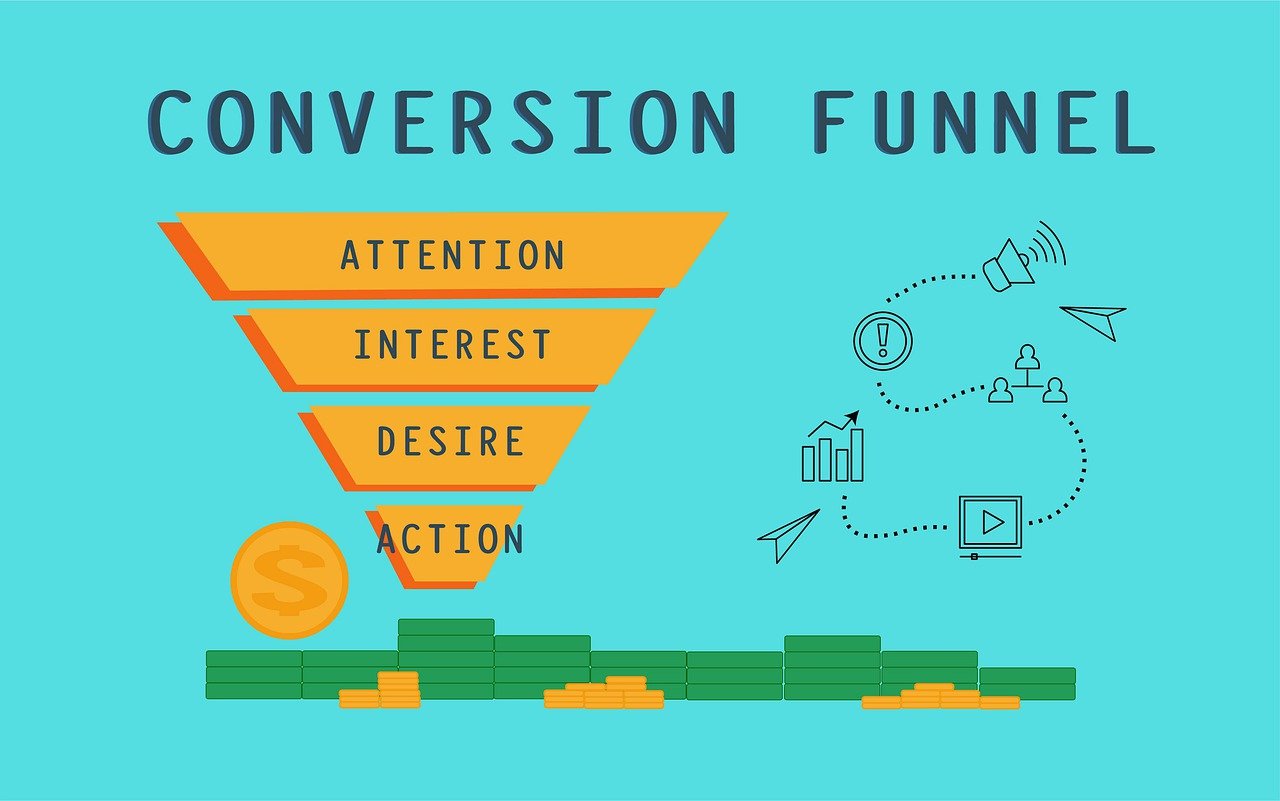

The Impact of Lead Scoring on Sales Funnel Optimization
In today’s competitive market, optimizing the sales funnel is crucial for businesses aiming to maximize their conversion rates. Lead scoring is a method that helps prioritize leads based on their potential to convert into paying customers. Essentially, it involves assigning numerical values to leads, enabling sales teams to focus their efforts on prospects that show greater interest and potential. By using various engagement metrics such as email interactions, webpage visits, and social media activity, companies can determine how likely a lead is to make a purchase. The impact of accurate lead scoring on the sales funnel is significant, as it streamlines the sales process and improves efficiency. The key is to create a scoring model that accurately reflects the underlying customer behavior and preferences. Implementing such a strategy can ultimately lead to higher conversion rates and more significant revenue. By identifying hot leads, sales professionals can allocate their resources more effectively, ensuring that they spend time on leads that are most likely to close. Therefore, lead scoring is not just a trend; it has become an essential component of robust Customer Relationship Management (CRM) strategies.
Understanding How Lead Scoring Works
Lead scoring typically involves a combination of demographic, behavioral, and firmographic data to evaluate prospects. Demographic data includes factors such as age, gender, income, and location. Behavioral data focuses on how potential customers engage with the brand, while firmographic data takes into account the type of organizations your leads belong to. The integration of these components allows for a more comprehensive understanding of each lead’s value and potential. To implement an effective lead scoring system, organizations often use software tools that can automate the process and provide analytical insights. These tools can track user behavior on websites, analyze email engagement, and calculate lead scores in real-time. Subsequently, this data informs marketing and sales teams which leads to prioritize. A thorough understanding of lead scoring can significantly enhance engagement levels, drive sales, and improve overall customer satisfaction. It assists organizations in identifying target markets, refining messaging, and designing personalized marketing campaigns. Enhanced lead scoring systems cultivate more informed and effective outreach, leading to increased sales opportunities and ultimately higher revenue for businesses.
Implementing a lead scoring system requires a well-defined strategy tailored to the specific goals and objectives of a business. It begins with identifying the key attributes that indicate a high-quality lead within your target market. Factors could include the lead’s position, their industry, their engagement level, and their purchase intent. Once you have established these criteria, it’s vital to assign appropriate scores to each attribute. For instance, a lead who frequently visits your pricing page may warrant a higher score than someone who merely subscribes to your newsletter. To ensure the scoring system is effective, continuous monitoring and adjustments should be made based on the response rates and conversion metrics. Regularly revisiting and refining the scoring criteria will keep the system aligned with changing market conditions and customer behavior. Additionally, gathering feedback from sales and marketing teams about the quality of leads can provide insights on whether the lead scoring system is effectively serving its intended purpose. Over time, a well-maintained lead scoring approach will lead to better alignment between sales and marketing, promoting collaboration and enhancing overarching business goals.
Benefits of Lead Scoring in Sales Funnel Optimization
The benefits of lead scoring in optimizing the sales funnel cannot be overstated. By enabling sales and marketing teams to work more cohesively, lead scoring aids in streamlining processes and maximizing productivity. Sales professionals can receive highly qualified leads, ensuring they spend their time on opportunities that are more likely to convert. Additionally, lead scoring helps to establish a clearer pathway for determining where leads are in the sales funnel. This level of clarity allows marketing teams to tailor messages and offers based on the specific needs and readiness of each lead. Furthermore, while nurturing leads through the funnel, lead scoring highlights which activities yield the highest engagement, demonstrating what works and what doesn’t. This creates a feedback loop where teams can refine their strategies based on real-time data. Ultimately, this ongoing optimization contributes to improved conversion rates, reduced sales cycles, and enhanced customer experiences. Businesses can leverage insights from their lead scoring systems to make data-driven decisions about resource allocation, enabling them to stay ahead in a competitive marketplace while focusing their efforts strategically for maximum impact.
Another significant advantage of lead scoring is its ability to enhance customer insights, which benefits not just the sales teams, but also product development and customer support. When scoring leads, the data collected can highlight trending preferences and behaviors among potential customers. This information can inform marketing campaigns, product features, and customer service improvements. By analyzing these insights, organizations can adapt their offerings to better meet the needs of various audience segments. Moreover, a responsive approach to lead scoring can change how businesses interact with potential customers. For example, leads showing strong interest may be targeted with premium content or tailored offers, while less engaged leads could receive more general information to reignite their interest. Such differentiation in communication ensures that each lead receives appropriate attention based on their specific attributes. Consequently, this leads to a more personalized experience that enhances the likelihood of conversion. The adaptability of lead scoring shines through in its capacity to address customer concerns, modifying approaches in real-time as more data becomes available, thereby solidifying customer relationships before they even make a purchase.
Challenges in Lead Scoring Implementation
While lead scoring offers numerous advantages, it does come with its set of challenges. One common challenge organizations face is the integration of various data sources. CRM systems must effectively consolidate data from multiple platforms to ensure that the scoring system functions accurately. Without seamless integration, businesses may struggle with data inconsistency, leading to incorrect lead assessments. Additionally, developing and fine-tuning the scoring model requires ongoing effort and commitment. Businesses need to allocate time for testing, refining, and maintaining the scoring criteria based on emerging trends and shifts in customer behavior. Moreover, achieving alignment between marketing and sales teams regarding the scoring criteria can be a challenge. This disparity may lead to miscommunication and wasted resources. It’s essential for both teams to collaborate closely to ensure a unified understanding of what constitutes a qualified lead. Lastly, training staff on how to effectively use lead scoring tools can be time-consuming and may meet resistance from team members unaccustomed to data-driven approaches. To overcome these hurdles, organizations should prioritize comprehensive training and open communication channels to facilitate a shared understanding.
As businesses navigate the complexities of lead scoring, it’s crucial to remember that success lies in adaptability. The marketing landscape is continuous, marked by shifts in consumer behavior, technological advancements, and competition. Therefore, organizations must remain responsive to these changes to keep their lead scoring systems effective. Regularly assessing and analyzing lead performance can help fine-tune scoring models and adjust strategies accordingly. Continuous education for all team members on evolving lead scoring practices will also promote efficiency. Leveraging advanced analytics tools can provide a deeper dive into data, allowing businesses to make informed decisions based on actionable insights. In addition, fostering a culture of collaboration between marketing, sales, and data analysis teams will empower processes, encouraging everyone to participate in refining lead scoring techniques. Finally, understanding the importance of customer feedback can provide insights for improving the system. In a world where consumer expectations evolve rapidly, aligning lead scoring practices with real-world experiences is key for maintaining relevance and ensuring a competitive edge in the market.
In conclusion, the impact of lead scoring on sales funnel optimization is profound and multifaceted. It is not merely a tool for sorting leads but a strategic approach to enhance overall business outcomes. By integrating various data points and fostering collaboration among teams, lead scoring leads to improved efficiency, higher conversion rates, and enhanced customer experiences. As companies continue to recognize its significance, implementing robust lead scoring systems will become increasingly vital for gaining insights and making data-driven decisions. Organizations that prioritize lead scoring as part of their CRM strategy will position themselves for greater success in their sales endeavors. As we look toward the future, embracing a culture of continuous improvement and responsiveness to market shifts is essential. The journey does not end there; continual investment in understanding and refining lead scoring practices is key. Businesses that adapt swiftly to changing customer dynamics and preferences will be the ones that thrive. In leveraging lead scoring effectively, companies can successfully navigate the complexities of the sales funnel and achieve optimal results in their conversion efforts.