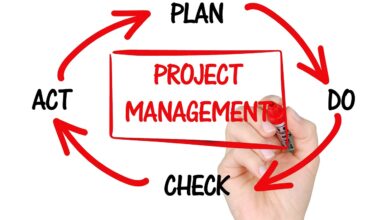

Role of Employee Assistance Programs in Performance Management
Performance management is essential for organizational success, providing a framework to assess and enhance employee productivity. One critical component of performance management is the integration of Employee Assistance Programs (EAPs). EAPs offer support services designed to improve employee well-being and overall effectiveness in the workplace. These programs can assist employees in managing personal issues that might impact their work performance, including emotional, financial, and legal problems. By addressing these challenges, EAPs enable employees to focus more on their tasks and responsibilities. Additionally, they promote healthier workplace environments, where employees feel valued and supported. Consequently, businesses using EAPs often see improved morale, increased productivity, and a decline in absenteeism. Employers that prioritize employee well-being via EAPs signal a commitment to their workforce’s needs, fostering loyalty. This relationship can lead to enhanced performance and organizational success over the long term. As we explore the role of EAPs further, it becomes clear how crucial they are in shaping effective performance management strategies within organizations.
Recognizing the importance of mental health in the workplace is crucial. EAPs play a vital role in promoting mental well-being among employees as part of effective performance management strategies. These programs typically offer confidential counseling services, providing a safe space for employees to discuss their mental health concerns. Many employees face stress and anxiety, which can negatively affect their productivity and engagement. EAPs can provide the necessary support and guidance, equipping employees with coping strategies to manage stress effectively. Furthermore, EAPs can facilitate workshops and training sessions focusing on stress management, time management, and work-life balance. By fostering a culture that prioritizes mental well-being, organizations can improve employee satisfaction and retention rates. As employees feel more supported in handling their personal challenges, their productivity is likely to increase, ultimately benefiting the organization. So, investing in EAPs is not merely an expense; it is an investment toward a healthier and more productive workforce. Organizations that recognize the importance of mental health initiatives enhance overall performance while demonstrating a commitment to employee well-being.
Enhancing Employee Engagement through EAPs
Employee engagement directly impacts performance and productivity levels across various organizations. EAPs contribute significantly to enhancing employee engagement by providing essential support services that address personal and professional challenges. When employees have access to assistance programs, they are more likely to feel valued and understood within their organization. Elements such as counseling, health consultations, and workshops can help employees develop a greater connection to their workplace. Engaged employees tend to be more productive, show higher levels of commitment, and have improved job satisfaction. Companies that effectively implement EAPs often witness a positive correlation between engagement levels and overall performance metrics. Additionally, EAPs can help identify and address issues that might lead to disengagement, such as burnout or workplace conflict. By proactively providing resources, employers create an environment conducive to employee well-being, allowing staff members to thrive. Organizations can regularly assess the effectiveness of their EAPs and adapt services based on feedback, ensuring ongoing relevance and support. This iterative process strengthens engagement, leading to sustained performance improvements and organizational success.
Addressing Stress and Burnout
Stress and burnout are pervasive issues in today’s workplace, adversely affecting employee performance and well-being. EAPs play a crucial role in managing these challenges through a variety of resources tailored to address mental health concerns. These programs typically offer stress management techniques, counseling services, and workshops designed to teach employees how to cope with overwhelming workloads. Employees experiencing high levels of stress and burnout can benefit from the supportive environment created by EAPs. By providing access to a qualified professional, organizations empower their employees to seek help and guidance as needed. This intervention can lead to improved mental health, reduced absenteeism, and ultimately, better performance. Regularly promoting EAP services enhances awareness about the available resources, encouraging employees to utilize them to maintain work-life balance. Additionally, offering training on resilience can help employees develop coping mechanisms, thus reducing the likelihood of burnout. The importance of mental well-being cannot be overstated in any workplace context, aiming for productivity and long-term success. Companies that prioritize EAPs and actively address stress will foster a healthier workforce capable of meeting performance expectations.
Creating a Culture of Support
Fostering a culture of support within organizations is pivotal for improving employee well-being and enhancing overall performance. EAPs contribute effectively towards establishing such a culture by providing necessary resources and encouraging open conversations about mental health. When organizations promote their EAP services actively, employees recognize their value in maintaining well-being and work-life balance. Regular workshops, information sessions, and promotional materials can help raise awareness about the available support. As employees begin to engage with these resources, they are likely to open up and share their experiences with colleagues. This open dialogue cultivates an environment where employees feel comfortable discussing challenges and seeking assistance. Moreover, having leaders and managers who advocate for the use of EAPs creates an atmosphere of trust, making employees feel empowered to utilize available support. In turn, this cultural shift fosters stronger relationships among co-workers, enhancing collaboration and teamwork. By embedding EAP services into the fabric of the organizational culture, companies can promote employee well-being, leading to increased motivation and performance over time.
Additionally, integrating EAPs with other aspects of performance management can amplify their effectiveness. Organizations can create a comprehensive performance management framework that emphasizes well-being through initiatives like training and development opportunities. By aligning EAP services with ongoing training programs, businesses can ensure they are addressing the unique challenges employees face in their roles. For instance, incorporating stress management training into existing performance evaluation processes can create a holistic approach to employee support. Evaluating employee performance becomes an opportunity for meaningful discussions about mental health, not simply a numbers game. This alignment helps develop individualized action plans tailored to address specific employee needs derived from performance assessments. Furthermore, tapping into the feedback gathered from EAP usage can help shape future training initiatives. Businesses can adapt their performance management strategies based on employee experiences, ensuring continued relevance. As this cycle of feedback, training, and support continues, organizations create adaptive frameworks capable of evolving with their workforce. Organizations focusing on a well-rounded performance management approach will reap the benefits of improved employee well-being and productivity.
The Positive Impact on Organizational Success
Ultimately, the integration of EAPs within performance management can significantly enhance overall organizational success. EAPs contribute to a healthier, engaged, and productive workforce, leading to better performance outcomes. Companies that prioritize these support programs are often recognized as employers of choice, attracting top talent. When employees feel supported and valued, their commitment to the organization’s success increases, resulting in lower turnover rates. Furthermore, EAPs reduce the impact of stress-related absenteeism, allowing employees to maintain a consistent presence at work. This positively affects team dynamics and ultimately translates into enhanced productivity levels. Additionally, organizations that promote employee well-being through EAPs frequently find improvements in their workplace morale and culture. A positive workplace culture encourages collaboration and creativity among employees, directly influencing organizational success. In sum, by investing in EAPs, companies not only support their employees’ welfare but also contribute to the sustainable growth of the organization. Recognizing the link between employee well-being and performance management is essential for businesses aiming to thrive in today’s competitive landscape.
In conclusion, it is crucial to recognize that addressing employee well-being is paramount to enhancing organizational performance. EAPs serve as a valuable resource in supporting employees during personal and professional challenges, reflecting an organization’s commitment to their workforce. By investing in these programs, employers can create a healthier workplace culture that promotes mental well-being, engagement, and productivity. As the demands of modern work continue to evolve, the integration of EAPs with performance management becomes essential. Organizations must prioritize mental health initiatives, recognizing the direct correlation between employee support and performance outcomes. By fostering an environment of care, companies can empower employees to seek assistance, ultimately improving job satisfaction and organizational commitment. EAPs not only help employees navigate their challenges—they contribute to a more resilient workforce capable of delivering exceptional results. Looking ahead, businesses that prioritize employee assistance programs will remain competitive, demonstrating that they understand the value of their greatest asset: their people. A commitment to well-being through EAPs ultimately drives performance and paves the way for long-term success in any organization.