
The Difference Between Credit Score and Credit Report
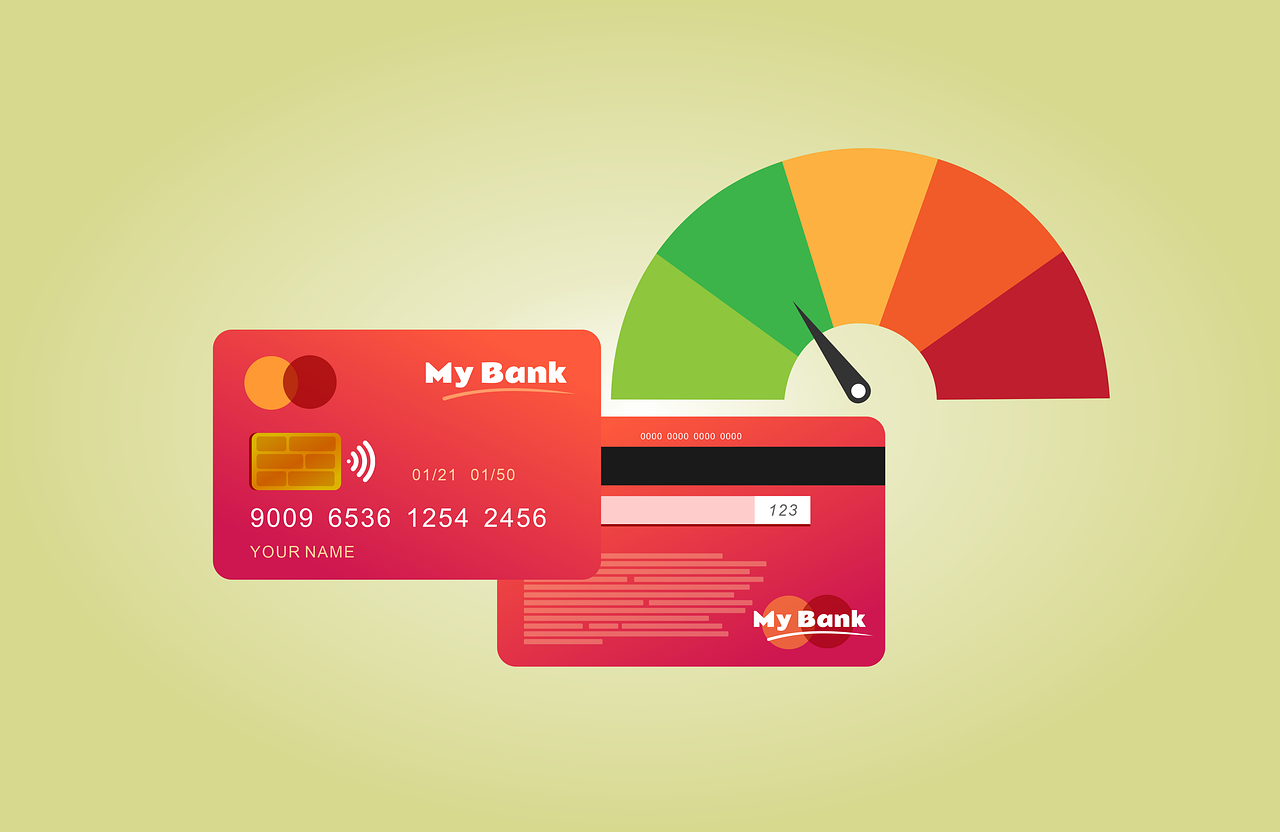
Understanding credit scores and reports is essential in today’s financial world. Many individuals often confuse these two terms, even though they carry different meanings. A credit score is a numerical representation of one’s creditworthiness, typically ranging from 300 to 850. Higher scores indicate better credit health, while lower scores can signify potential financial risks. Credit bureaus, such as Equifax, Experian, and TransUnion, compute these scores using information from user credit histories, interest payments, and types of credit accounts. Conversely, a credit report serves as a detailed document presenting a comprehensive overview of an individual’s financial behavior. It highlights various factors affecting a person’s credit score, including payment history, amounts owed, and the length of credit history. Prospective lenders examine both elements to determine if they will extend credit based on risk assessment. Knowing how these two components differ can empower individuals to take the necessary steps to improve their scores and maintain healthy credit profiles. Consequently, being informed can aid in achieving better financial outcomes.
Understanding Your Credit Report
A credit report is an exhaustive account of your financial history, compiled over time by credit bureaus. It includes detailed information concerning your credit accounts like loans, credit cards, and mortgages. Importantly, it depicts your payment history, showcasing timely payments and any late payments, as well as delinquencies or defaults. Understanding this report is vital, especially because lenders use it to evaluate your eligibility for credit. Additionally, your credit report may also feature inquiries made by lenders when assessing your creditworthiness. These inquiries can be categorized as hard or soft inquiries, with hard inquiries impacting your credit score slightly. Each section of the report carries significance, from account details to public records, like bankruptcies. Individuals are entitled to obtain a free credit report annually to stay informed about their credit status. Anyone wishing to improve their credit health should routinely review their reports for inaccuracies or discrepancies that could negatively affect their scoring. Hence, diligence in monitoring one’s credit report can lead to better financial prospects for all consumers.
The elements comprising your credit score are crucial in understanding your financial standing. Credit scores are calculated based on five main factors: payment history, amounts owed, length of credit history, types of credit used, and new credit inquiries. Notably, payment history accounts for a significant portion of your score. This section evaluates your past transactions, including timely payments, missed payments, and defaults. The amounts owed demonstrate how much you currently owe creditors, which can negatively impact your score when the balances are high. The length of your credit history can also play a role, with longer histories often showing more reliability to lenders. Collectively, these factors yield a three-digit number representing your creditworthiness, and lenders make crucial decisions based on this number. In improving your score, individuals can minimize their credit utilization and focus on timely payments. Understanding these factors aids in strategic financial planning, enabling better credit opportunities in the long run. We should stress that constant vigilance in managing credit can lead to healthier financial habits.
How to Improve Your Credit Score
Improving your credit score can seem daunting, but several straightforward strategies can help. Firstly, ensure you make all of your payments on time, as late payments can significantly harm your score. Create a budget that prioritizes these payments to avoid missed deadlines. Next, consider lowering your credit utilization ratio, which is the proportion of credit you’re currently using. Keeping this ratio below 30% can positively affect your score. Also, review your credit reports regularly for accuracy and dispute any errors you find. Credit agencies are required to investigate reported inaccuracies promptly. Finally, consider diversifying your credit mix. Having different types of credit, such as installment loans and revolving credit, can benefit your score. Being strategic about your credit use is vital, but it also requires patience. Improvements might take time to reflect, but persistence pays off. Working consistently on these aspects will enable individuals to achieve and maintain healthy credit scores over time. Strong credit management can greatly influence future financial opportunities.
To summarize, understanding the difference between a credit score and a credit report is crucial for managing personal finances successfully. A credit score serves as a numerical reflection of creditworthiness, while a credit report provides a detailed account of one’s financial history. Individuals striving for better financial outcomes should regularly monitor both their credit scores and reports. It’s equally important to focus on maintaining good credit habits to improve the score based on the factors discussed earlier. Strategies for sustaining and enhancing credit health include timely payments, keeping debt low, and consistently monitoring credit reports for discrepancies. Moreover, as financial landscapes continue evolving, evolving with them is essential. Staying informed about changes in credit scoring models can lead to improved financial decision-making. Educating yourself about the importance of both elements can empower informed choices. Better credit not only facilitates loan approvals but can also yield lower interest rates, saving individuals substantial amounts over time. Thus, prioritizing credit health serves as a key aspect of achieving long-term financial success.
Conclusion
In conclusion, navigating the world of credit can be challenging without proper understanding. Recognizing the differences between credit scores and credit reports is vital in setting the stage for sound financial decisions. A well-maintained credit score can open doors to numerous financial opportunities, such as loans, mortgages, and other forms of credit at favorable terms. Conversely, neglecting one’s credit health can lead to substantial financial repercussions, making understanding both aspects essential. This knowledge empowers individuals to manage their financial choices effectively while concurrently improving their credit standing. Awareness of what contributes to credit scores and reports can lead to proactive measures that enhance financial health. By implementing good credit practices, individuals can foster a sustainable, long-term approach to credit management. Financial stability can be achieved through diligence, as it often significantly impacts daily life. Investing in quality credit education ultimately leads to stronger financial futures for all individuals as we advance in financial literacy and responsibility. Start today with better practices to ensure lasting positive credit management.
In summary, mastering the intricacies of credit scores and reports sets the foundation for achieving financial stability. Understanding these concepts is the first step toward not only obtaining credit but also maintaining healthy credit for future financial endeavors. Consumers often overlook the importance of nurturing their credit health, opting to focus on short-term financial goals. However, prioritizing these aspects can provide long-lasting benefits, including lower interest rates and enhanced borrowing capabilities. Moreover, awareness can prompt individuals to take actionable steps towards repairing bad credit. Knowing where to start can be overwhelming, so utilizing available resources, like credit counseling and planning tools, can yield effective results. Exploring educational content about credit can also benefit individuals seeking improvement. Working diligently and strategically to improve credit scores could unlock many financial doors and presenting clear insights for maintaining a good credit profile. Therefore, prioritizing credit health is paramount. Competence in financial literacy significantly impacts overall financial well-being, fostering resilience in today’s economic conditions. Building expertise in credit can enable individuals to navigate complicated financial encounters effectively.
Investing in credit education is essential in a world that revolves around financial health. Knowledge can significantly change the way individuals view their financial situations. One can effectively challenge misconceptions and enhance understanding of credit scores and reports by learning about them. Educational resources are widely available, including workshops, online courses, and informative articles. Engaging with this content allows consumers to better navigate their credit environments. It’s also crucial to discuss credit with financial professionals, especially when making significant credit decisions. The insights gained through these discussions can inform better financial choices, laying the groundwork for future credit health. Ultimately, empowering oneself with credit education not only allows individuals to make informed financial decisions but also positions them to face challenges with confidence. Neglecting education about credit can leave individuals vulnerable to misinformation and poor credit decisions that impact their financial lives. Therefore, making an effort to learn about credit is ultimately beneficial for everyone, enabling savvy navigation of one’s financial journey.