
Product Development Lifecycle: Stages and Best Practices
The product development lifecycle encompasses a series of phases that guide innovators through the creation of a product. Understanding this cycle is essential for ensuring that new products meet market demands and are delivered effectively. Each stage involves specific goals, activities, and best practices designed to minimize risks while maximizing product success. The lifecycle typically begins with idea generation, followed by screening and concept development. Throughout this process, the integration of feedback from potential users ensures that the product aligns with customer needs. Following this, a detailed business analysis helps in assessing the product’s viability and financial forecasts. This phase is crucial as it sets the stage for resource allocation in development. Adequate research lays the groundwork for effective marketing strategies, paving the path toward a successful launch. The development stage is when prototypes are created, followed by rigorous testing to identify and rectify potential flaws. Finally, the product is launched into the market, where post-launch reviews help capture user feedback that informs future iterations.
Idea Generation and Screening
Idea generation is the initial step of the product development lifecycle, involving brainstorming sessions, customer feedback, and market research. Companies frequently use these approaches to identify potential concepts that could evolve into successful products. Once a series of ideas have been generated, the next step is screening, which involves evaluating these ideas against specific criteria, including market feasibility and alignment with the company’s mission. This stage is essential so that resources are not wasted on less viable ideas. Practitioners employ various techniques such as SWOT analysis to assess strengths and weaknesses, which helps in narrowing down promising ideas for further development. Ideas that show potential are then documented effectively to facilitate follow-up. This systematic approach forms the backbone of sound product development, ensuring that only the most appropriate ideas are pursued. As part of this process, engaging various teams within the organization provides diverse perspectives, enhancing the idea evaluation effort. Overall, fostering a culture of innovation through idea generation ensures that businesses remain competitive and responsive to consumer needs.
The subsequent phase of product development is concept development, which transforms the chosen ideas into detailed product concepts. During this stage, a clear vision of the product is formulated, focusing on design specifications, features, and performance requirements. It is pivotal to document the concept thoroughly, as this will guide all future stages. Input from cross-functional teams, such as marketing and engineering, enriches the concept development phase, ensuring technical feasibility and market readiness. Furthermore, creating mockups or prototypes during this phase allows stakeholders to visualize the product. Customer feedback is essential at this stage, which can help in refining the concept to better meet user expectations. Concept validation often involves surveys and focus groups to gauge consumer interest and willingness to pay. These insights can drastically alter the product’s positioning and features. Businesses may also perform competitive analyses to benchmark against current market offerings. This comprehensive understanding directs the proceeding stages, including design and development, reducing the risk of product failure upon launch.
Business Analysis and Planning
Following concept development is the business analysis phase, crucial to determine the product’s commercial viability. In this stage, marketers and financial analysts collaborate to predict sales, assess production costs, and establish a pricing strategy. Financial projections should account for various scenarios to mitigate risks, encompassing different levels of market acceptance. Comprehensive analysis allows firms to understand potential profit margins and return on investment, ensuring that the product aligns with strategic business objectives. Additionally, crafting a marketing strategy during this phase can position the product favorably in the market upon its launch. This strategy should consider target demographics, marketing channels, and promotional plans. Furthermore, establishing key performance indicators (KPIs) enables the management team to monitor the product’s success. These indicators can cover sales volume, market share, and customer satisfaction metrics after the launch. Additional market research may then also provide insights required to refine both the product and its marketing approach. Proper business analysis ultimately serves as a decision-making tool for various stakeholders to approve the project moving forward.
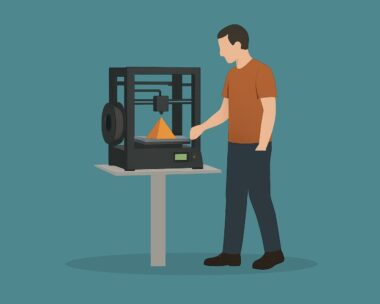
Once the business analysis is satisfactory, the next phase is the development stage, where the actual product is designed and created. During this stage, product specifications become blueprints for design and engineering teams to begin the production process. Prototyping is a key activity within this phase, allowing for tangible representations of the product to be tested for functionality, usability, and overall design coherence. Iterative testing reveals flaws and areas for improvement, enabling teams to refine the product progressively. Collaboration among different departments is vital in this stage to ensure alignment with the initial concept and market requirements. Design iterations incorporate feedback, helping to avoid costly last-minute adjustments. Furthermore, by employing agile methodologies, teams can adapt quickly to challenges that may arise during development. Time-to-market may also be refined through efficient collaborative techniques, allowing faster iteration cycles. Effective communication throughout this stage not only aids in building a high-quality product but also fosters a sense of ownership and engagement among team members working on the project.
Market Testing and Launch
After developing and refining the product, the next crucial phase is market testing, which involves introducing the product to a limited audience to gather final feedback before a full-scale launch. Conducting market tests provides insights into customer perceptions, competitive reactions, and operational readiness. This stage may consist of beta testing, focus groups, or pilot programs that allow the company to understand how the product will be received. Such feedback is essential to making last-minute adjustments that can drastically improve user acceptance. For instance, aspects like packaging, pricing, and marketing messages can be fine-tuned based on initial audience responses. Furthermore, successful market testing builds anticipation for the official launch, which can be disseminated through channel partners and media. A well-planned launch strategy creates excitement and ensures sufficient availability across desired sales channels. Post-launch, ongoing customer engagement strategies, including social media interaction and customer support, keep users informed and reinforce brand loyalty. Tracking key performance indicators remains essential to provide further insights into the product’s long-term success in the marketplace.
The product development lifecycle does not end with the launch; continuous evaluation and iteration are crucial for ongoing success. By tracking performance metrics such as sales trends and customer feedback, businesses can identify opportunities for improvement or expansion. Additionally, companies should monitor competitors to stay responsive to market shifts and emerging trends. Creating a culture of innovation encourages teams to analyze data continuously and be proactive in adapting offerings to meet changing consumer demands. Continuous improvement may involve releasing updates, new features, or variations of the product based on user input and changing market conditions. Customer engagement becomes vital in this iterative process, as users can provide valuable insights into their preferences and experiences with the product. Furthermore, communication strategies should be employed to keep customers updated on advancements. Through proactive consumer engagement and iterative refinements, companies strengthen their market position while maximizing profitability. Eventually, the effective management of the product lifecycle contributes to long-term sustainability and brand credibility, allowing for more successful future initiatives.
In conclusion, understanding the product development lifecycle is essential for effective product management. From the preliminary stages of idea generation and business analysis to the phases of development, testing, and launch, each component plays a pivotal role in ensuring product success in the market. Companies that approach the lifecycle systematically increase their chances of aligning products with customer needs while minimizing risks associated with unknowns. Integrating feedback at every stage not only enhances product quality but also fosters customer loyalty and trust. Engaging cross-functional teams throughout the process strengthens the product’s appeal and reduces development times. Continued iteration and adaptation post-launch further exemplify a company’s commitment to consumer satisfaction and innovation. Forward-thinking organizations see the lifecycle as an ongoing journey that embraces change, adaption, and feedback. Best practices, such as effective communication and strategic planning, serve to guide businesses toward achieving their innovation goals. Ultimately, navigating the stages of product development with flair not only results in successful participants in the market but also enriches the ongoing dialogue with consumers, creating better growth opportunities for companies.