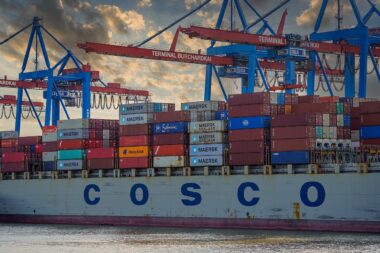

Fintech Innovations Transforming Cross-border Supply Chain Finance
In today’s interconnected global economy, supply chains are increasingly complex, often crossing multiple borders. The advent of fintech innovations has provided solutions to streamline cross-border supply chain finance, enhancing efficiency and reducing transaction time. These innovations facilitate quicker and more secure transactions by leveraging technologies like blockchain, which ensures transparent and tamper-proof records. For instance, real-time payment processing reduces the wait time associated with traditional banking systems, enabling companies to access funds instantly. Additionally, fintech platforms enable SMEs to obtain financing that was previously unattainable, allowing them to participate actively in global trade. Companies utilizing these innovative tools can minimize costs and expand their market reach without worrying about payment delays. Furthermore, these technologies simplify compliance with international regulations, as they provide real-time data on transactions and shipments. As cross-border transactions continue to grow in volume, the importance of good finance solutions cannot be overstated. Therefore, integrating fintech solutions into supply chain finance presents a significant opportunity for businesses to boost their competitiveness globally.
The Role of Blockchain
Blockchain plays a vital role in revolutionizing cross-border supply chain finance by providing a secure platform for transactions. Its decentralized nature eliminates the need for intermediaries, thereby speeding up the overall process. Each participant in the supply chain can access the same data simultaneously, reducing disputes and enhancing transparency. Smart contracts, which execute transactions automatically upon meeting pre-defined conditions, can significantly reduce delays in payment and customs processes. By recording every transaction on a transparent ledger, stakeholders can instantly verify payment status, shipment details, and contractual agreements, thereby minimizing fraud risks. This level of transparency builds trust between parties, essential for successful cross-border trade. Moreover, blockchain’s capability to track goods along the supply chain helps in maintaining compliance with various regulatory requirements across different regions. Companies that adopt this technology can not only enhance their operational efficiency but can also ensure a smoother experience for their clients. As awareness grows, the integration of blockchain within cross-border financing models paves the way for a more resilient and dependable supply chain ecosystem. The future looks promising with ongoing research and development in this innovative field.
Fintech solutions have also facilitated the rise of supply chain financing options, allowing for greater flexibility in cross-border transactions. These solutions offer various financing methods, such as invoice factoring and reverse factoring, which cater to the unique needs of international businesses. By utilizing these tools, companies can access immediate funds against their invoices, enabling them to reinvest in operations or fulfill orders promptly. This flexibility is particularly beneficial for small and medium enterprises (SMEs) that may struggle to maintain adequate cash flow when entering global markets. By leveraging fintech platforms, these businesses can connect with a network of potential investors who are willing to finance their operations. Additionally, these platforms provide an efficient way to assess credit risk using data analytics, ensuring that financing decisions are informed and timely. The minimization of paper-based processes also significantly speeds up transactions, reducing administrative burdens. As fintech continues to evolve, businesses that adopt these financing solutions will likely find themselves at a competitive advantage in the global marketplace.
Transaction costs are another crucial factor when navigating cross-border supply chain finance. Traditional banking methods can impose significant fees, including currency conversion and intermediary charges. However, fintech innovations are addressing these cost challenges by providing lower transaction fees through peer-to-peer lending and digital wallets. Using these alternatives, companies often find that they can save dramatically on fees associated with overseas transactions. E-wallets, for example, enable quick transfers between parties, allowing instant access to funds without excessive bank fees. This can free up working capital, making it easier to manage operations efficiently. Furthermore, automated currency conversion tools offered by fintech platforms lessen the burden of navigating foreign exchange rates. These tools ensure transactions process at optimal rates, thereby maximizing profitability. As companies continue to seek more cost-effective methods in the wake of rising global trade costs, fintech solutions represent a viable pathway toward reducing financial burdens in cross-border transactions. Thus, adopting these innovations could lead to substantial business growth and enhanced profitability.
Risk management is another area where fintech has significantly influenced cross-border supply chain finance. In international transactions, businesses face various risks, including currency fluctuations, political instability, and regulatory changes. Fintech companies provide sophisticated risk assessment tools that help businesses evaluate and address these challenges proactively. Through advanced data analytics and predictive algorithms, firms can identify potential financial risks before they impact operations. Moreover, on-demand insurance products are emerging as valuable tools for mitigating risks in global trade. Companies can now secure coverage for cargo loss, theft, or damage during transit, thus ensuring financial stability. Additionally, fintech platforms often come equipped with alerts and notifications that inform users of significant changes in market conditions, allowing them to adapt strategies accordingly. By effectively managing risks, businesses can operate with confidence in uncertain environments. Fintech innovations foster a culture of resilience, enabling companies to navigate the complexities of cross-border supply chain operations more effectively. This approach solidifies their position in the global market.
Data-driven decision-making is becoming increasingly vital in cross-border supply chain finance, and fintech empowers this capability. The integration of big data analytics enables companies to gather insights from various sources, including market trends, consumer behavior, and supply chain dynamics. By analyzing this data, firms can make informed commitments about inventory management, pricing strategies, and risk evaluation. Additionally, fintech solutions facilitate the collection and analysis of customer feedback, which aids businesses in refining their offerings and improving customer satisfaction. Utilizing data insights allows companies to adapt quickly to changing market conditions, enhancing their competitiveness in the global landscape. Implementing real-time analytics can help identify inefficiencies in the supply chain, paving the way for improvements in performance and cost management. Furthermore, data-driven approaches allow firms to tailor their services to specific markets, making them more relevant and appealing to consumers. This adaptability is crucial for survival in a fast-paced global trade environment. The future of cross-border supply chain finance lies in leveraging data to drive decisions and enhance operational efficiency, ultimately leading businesses toward greater success.
In conclusion, fintech innovations are reshaping cross-border supply chain finance by streamlining processes, reducing costs, and enhancing risk management. As businesses continue to adapt to a rapidly changing global market, the importance of integrating advanced financial technologies cannot be overstated. By adopting fintech solutions, companies not only improve operational efficiency but also increase their competitiveness on an international scale. From blockchain technology and flexible financing options to sophisticated data analytics tools, the potential for growth and optimization is immense. As fintech continues to evolve, businesses must remain vigilant in exploring and implementing these innovative solutions. Embracing fintech ultimately leads to enhanced financial health, smoother operations, and a solid foundation for future growth. Moreover, as the global economy continues to evolve, fintech may play a pivotal role in determining the landscape of cross-border commerce for years to come. Companies that recognize and adapt to these changes will significantly benefit from the efficiencies and opportunities that fintech provides, making it an essential component of modern supply chain finance strategies.
Future Trends in Fintech for Supply Chain Finance
The future of fintech innovation in cross-border supply chain finance appears promising, with emerging technologies set to play a pivotal role. Artificial Intelligence (AI) and machine learning technologies are poised to further enhance the capabilities of supply chain finance solutions. These technologies offer robust tools for predicting trends, evaluating risks, and making real-time adjustments to financing and operational strategies. The use of AI can enable predictive analytics, providing insights into market fluctuations, which can help businesses adapt accordingly. Moreover, automation will continue to be a driving force in simplifying processes, minimizing human error, and allowing for efficient management of cross-border operations. As mobile technology becomes increasingly prevalent, accessibility to financing will expand, making it easier for businesses around the world to leverage financial support. Additionally, sustainable finance practices are gaining traction, with fintech promoting eco-friendly and socially responsible trade practices. This shift not only benefits businesses but also aligns with the growing consumer demand for responsible sourcing. The integration of these trends into supply chain finance marks a transformative era that prioritizes efficiency, sustainability, and innovation that will shape the future of global commerce.