
Mobile Banking Advancements
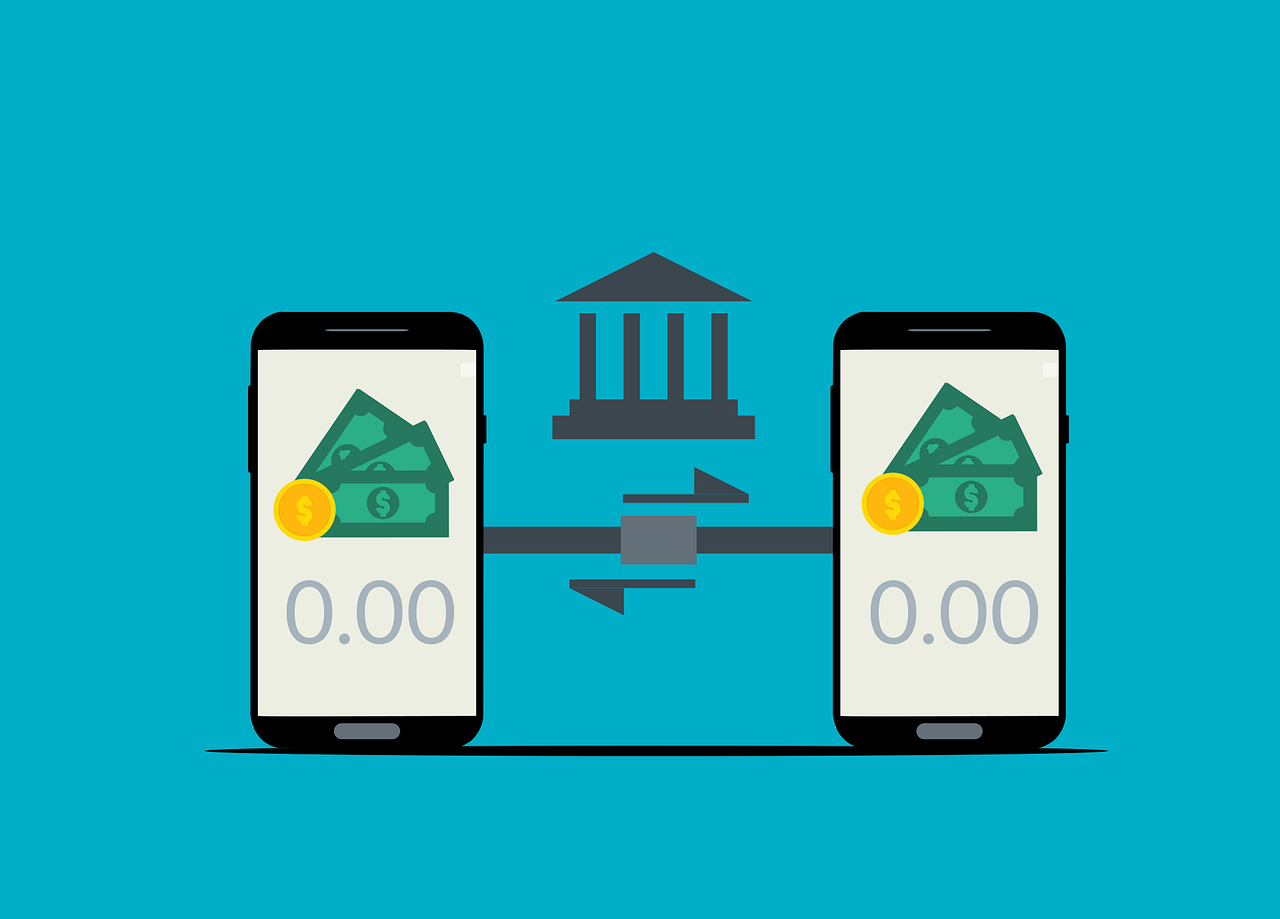
Mobile banking has revolutionized the way consumers interact with their finances, offering convenience and accessibility at their fingertips. Today, users can perform transactions ranging from bill payments to fund transfers directly from their mobile devices. A significant aspect of mobile banking is its ability to enhance customer engagement through personalized services tailored to individual needs. Financial institutions are leveraging data analytics to provide targeted promotions and recommendations based on user behavior. Moreover, security becomes paramount as the digital landscape evolves, with banks implementing multifactor authentication and biometric verification methods to safeguard customer information. Users now enjoy a seamless experience, ensuring their financial data is protected while accessing services easily. Regulators and banks continuously work together to establish guidelines that can help streamline mobile banking processes while maintaining the utmost security. Additionally, partnerships with fintech companies are becoming increasingly common, allowing traditional banks to integrate innovative solutions and cater to tech-savvy consumers. Ultimately, mobile banking is not just about transactions; it embodies a shift towards a more user-friendly financial ecosystem that prioritizes safety and innovation in service delivery.
As the adoption of mobile banking grows, the significance of digital identity verification cannot be overstated. Digital identity verification ensures that financial institutions accurately authenticate users before allowing access to sensitive services. Essential for combating identity theft and fraud, this process typically involves various techniques such as document verification and biometric recognition. In particular, biometric methods have grown in popularity, including facial recognition and fingerprint scanning. These advancements offer a seamless user experience, driving consumer trust in the technology underlying mobile banking. Moreover, regulations worldwide are evolving to standardize identity verification requirements to ensure consistent levels of security. Various regulations, including provisions like the General Data Protection Regulation (GDPR), emphasize the importance of protecting individual data during these verification processes. Financial service providers must adapt their systems to comply with these regulations while continuing to enhance user experience. Third-party verification services are often employed by banks to leverage advanced technologies aimed at improving verification accuracy. By aligning their efforts with modern identity verification techniques, banks can ensure their customers experience swift and secure access while utilizing mobile banking services.
Improving Customer Experience
In the age of digital banking, improving customer experience is a primary goal for financial institutions. Mobile banking applications are designed to offer user-friendly interfaces that make personal finance management straightforward and efficient. With the integration of features such as transaction history, budgeting tools, and account alerts, users can easily monitor their financial health. Furthermore, the incorporation of chatbots and AI-based customer support in mobile banking apps provides immediate responses to user queries, enhancing problem resolution and overall satisfaction. Customers appreciate the convenience of seeking assistance without having to visit physical bank branches, making banking services accessible around the clock. In this context, personalization is key; mobile banking solutions leverage user data to deliver customized financial advice, helping individuals make informed decisions tailored to their unique needs. Educational resources within apps also empower users with financial literacy, reinforcing their confidence in managing their financial futures. Innovations such as mobile wallets and peer-to-peer payment options further increase the competitive nature of mobile banking. Providers must stay ahead of trends to optimize features continually and ensure customers enjoy a superior banking experience while using mobile platforms.
Security challenges in mobile banking require continuous attention. As systems evolve, cybercriminals also develop sophisticated techniques to breach security measures, posing significant threats to customers and banks alike. Financial institutions must remain vigilant and invest in state-of-the-art cybersecurity solutions to protect sensitive information from potential breaches. Encryption technologies, for instance, play a vital role in safeguarding data during transmission, but they are not the only line of defense. Financial institutions employ intrusion detection systems and conduct regular security audits to identify vulnerabilities proactively. Furthermore, educating users about secure practices, such as recognizing phishing attempts and using secure connections, contributes to an all-encompassing approach to security. Institutions need to provide customers with awareness campaigns to improve overall security hygiene. Regular updates of mobile applications enhance built-in security features, ensuring clients benefit from the latest protective measures. Organizations must be transparent with customers about data handling practices, reinforcing a culture of trust and security. The collaboration between technology providers and partners is essential in formulating enhanced security policies that address the complexities of the modern digital banking landscape.
The Role of AI in Verification
Artificial Intelligence (AI) plays a pivotal role in simplifying and reinforcing identity verification protocols in mobile banking. By analyzing user data, AI algorithms can efficiently detect patterns that indicate suspicious behavior, allowing banks to take proactive measures against fraudulent activities. The enhancement of identity verification processes through AI can dramatically reduce the time it takes to authenticate users while increasing accuracy. These systems evaluate facial features, biometric data, and even behavioral analytics, ensuring that only authorized individuals access their accounts. Banks that implement AI-driven verification systems can offer users a frictionless experience, significantly reducing account opening times and transaction delays. Moreover, AI’s continuous learning capabilities allow these systems to become more sophisticated over time, adapting to new threats in the cybersecurity landscape. They enable financial institutions to remain agile and responsive to emerging security challenges. The benefits extend further as AI assists compliance teams in adhering to regulations by systematically documenting verification steps undertaken during customer onboarding. By integrating AI technology, mobile banking is evolving into a more secure and efficient platform, ultimately placing trust at the heart of digital interactions.
Through the rise of mobile banking, major transformations in payment landscapes have occurred, particularly with respect to digital identity verification. Mobile wallets and contactless payments are becoming mainstream, prompting users to rely heavily on their digital identities. Biometric authentication methods such as voiceprints and retina scans are being introduced alongside traditional verification practices. Customers expect a seamless transition when accessing their banking services from different devices, and identity verification aligns with this demand. As regulations evolve, mobile banking providers must navigate compliance while enhancing the user experience. The implementation of blockchain technology holds promise in strengthening identity verification methods by providing a decentralized and immutable ledger to verify user identities securely. Not only does blockchain enhance transaction transparency, but it also minimizes the risk of identity fraud. Industry experts advocate for a collaborative approach across financial sectors to leverage these innovations effectively. Financial institutions can benefit significantly by actively participating in cross-industry platforms that share best practices and technological advancements. In this dynamic financial environment, aligning mobile banking services with cutting-edge identity verification technologies ultimately leads to improved efficiency and user satisfaction.
Future Perspectives in Mobile Banking
The future of mobile banking and digital identity verification hinged on continuous innovation and adaptability. As technology advances, financial institutions must embrace emerging trends such as artificial intelligence and machine learning to stay ahead of the curve. Adaptive security solutions will play a crucial role, allowing banks to adjust their identity verification strategies based on real-time data and user behavior patterns. Additionally, Shift towards a cashless economy will necessitate robust identity verification processes to prevent fraud and protect consumers. Collaboration between banks and fintech organizations will enhance the development of secure mobile payment solutions that prioritize seamless user experience without sacrificing security. Furthermore, regulatory bodies will play a critical role in shaping the future landscape, defining the framework within which mobile banking operates. Transparency and consumer trust will be essential elements as customers demand more control over their data. Financial institutions that prioritize innovation, security, and user experience will emerge as leaders in this digital transformation. Ultimately, the end goal remains clear: to create a convenient, safe, and efficient mobile banking environment that meets the ever-evolving needs of customers. These developments will shape the financial services industry for years to come.
The integration of advanced technology in mobile banking has greatly impacted the way users interact with financial services. Many customers are opting for mobile banking apps that provide enhanced user experiences and quick access to services. As regulations surrounding privacy and data protection evolve, financial institutions are compelled to revisit their identity verification protocols carefully. The modern user expects not only efficiency but also transparency regarding how their data is secured and used by banks. Customers demand more personalized experiences from their banking applications, pushing institutions to tailor services to meet these preferences. Innovative solutions that encompass artificial intelligence, machine learning, and data analytics continue to shape mobile banking strategies, enabling providers to meet these expectations effectively. As digital identity verification processes become more sophisticated, banks inevitably approach customer service with a focus on seamless and fluid experiences. As we move through this digital age, the ability to balance security and convenience will be critical for advancing mobile banking. In this competitive landscape, institutions must be prepared to invest in technologies that enhance their mobile offerings and build strong, trusting relationships with their customers, ensuring a future filled with possibilities and growth.