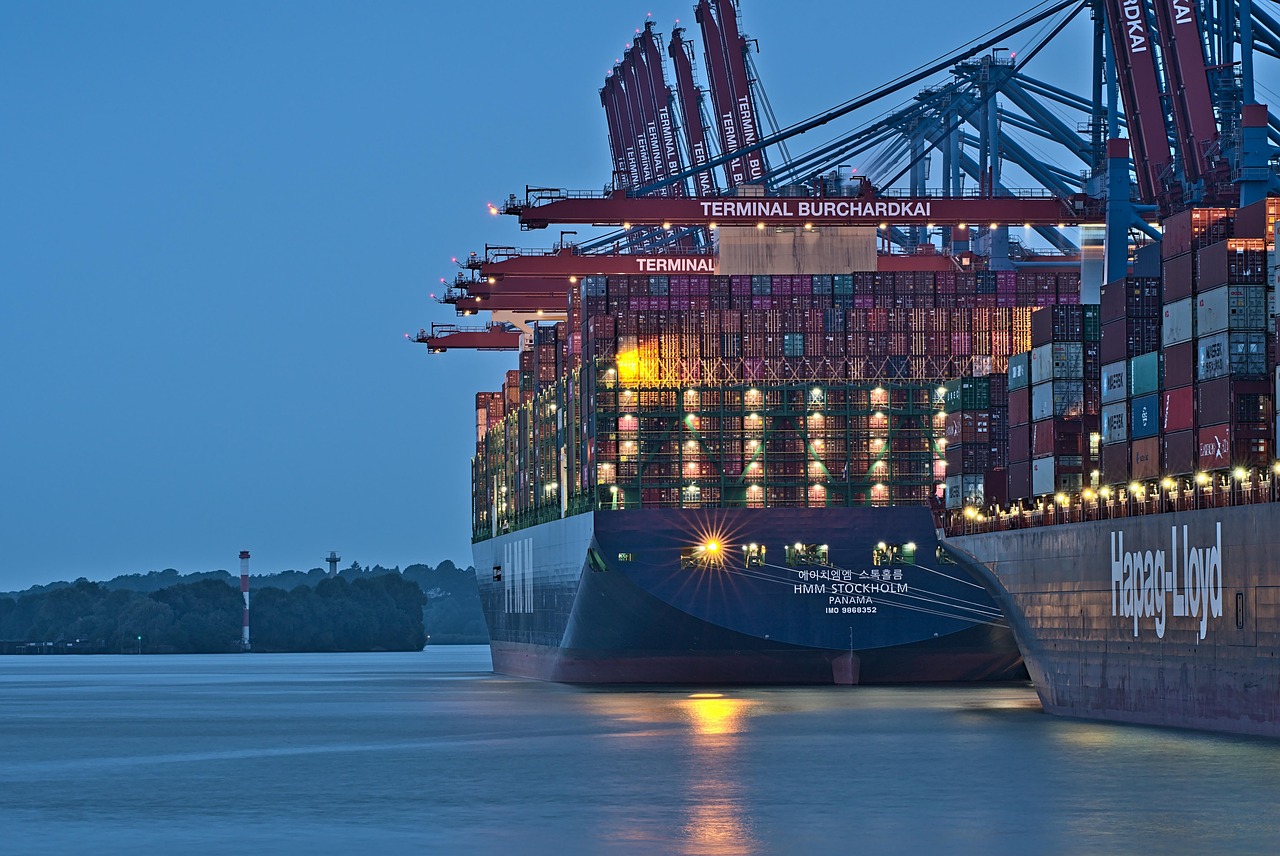

Free Trade Zones and International Supply Chain Optimization
Free trade zones (FTZs) and Special Economic Areas (SEAs) play a pivotal role in optimizing international supply chains. These designated regions offer various incentives, including tax breaks, customs duties exemptions, and reduced regulatory burdens. Consequently, businesses operating within FTZs can significantly lower their operational costs and improve supply chain efficiency. By minimizing tariffs and streamlining customs processes, companies can enhance their competitiveness in the global market. Furthermore, FTZs facilitate faster access to markets, allowing goods to move quickly across borders. This speed is critical for businesses that rely on just-in-time inventory systems and need to respond quickly to changing consumer demands. In addition, FTZs often feature state-of-the-art logistics and warehousing facilities, further supporting efficient supply chain management. With the advantage of reduced supply chain complexity, businesses can focus on their core competencies while benefiting from these strategic locations. Ultimately, the optimization achieved through FTZs not only boosts individual business performance but also contributes to the overall vitality of international trade. Companies seeking growth opportunities should consider leveraging these zones to enhance their operational frameworks and competitive positioning.
One of the notable advantages of free trade zones and special economic areas is their ability to attract foreign investment. The incentives provided, such as tax holidays and relaxed regulations, make these zones appealing to multinational corporations. By establishing operations in FTZs, companies gain substantial control over their supply chains, allowing for better inventory management and production planning. Additionally, FTZs foster innovation through collaboration with various stakeholders, including government agencies and local businesses. This collaboration often leads to the development of new technologies and practices that enhance supply chain activities. Furthermore, the strategic geographical locations of most FTZs facilitate connectivity with global shipping routes, ensuring efficient distribution channels. As the world of international trade evolves, companies are recognizing the importance of agility in their supply chains. FTZs provide the flexibility needed to navigate trade complexities and adapt to market changes rapidly. In today’s digital age, integrating technology with FTZ operations can streamline processes further, providing valuable data insights that inform decision-making. As a result, investing in FTZs not only increases operational efficiency but also offers businesses the opportunity to scale operations and penetrate new markets.
The Role of Logistics in FTZs
Logistics within free trade zones greatly influence the efficiency of international supply chains. FTZs are often strategically located near major transportation hubs, such as airports and seaports, facilitating the swift movement of goods. Enhanced logistics infrastructure within these zones includes advanced warehouses and distribution centers designed to optimize inventory management. By using sophisticated tracking systems and automation, businesses can minimize delays and reduce costs associated with warehousing and distribution. Furthermore, the consolidation of multiple services within FTZs, such as customs clearance and transportation, creates streamlined operations for businesses. This integration helps minimize redundancies and ensures that goods are processed quickly and efficiently. Additionally, logistics providers within FTZs are often well-versed in international trade regulations, enabling them to offer valuable support to businesses navigating the complexities of global supply chains. Moreover, the flexibility of FTZ operations allows companies to test new logistics models without significant risk. As businesses increasingly prioritize speed and efficiency, the logistics capabilities of FTZs become a vital element in their overall supply chain strategies. Thus, investing in FTZ logistics can drive significant improvements in performance and competitive advantage.
Technology is a crucial component in enhancing the operational effectiveness of free trade zones. With advancements in digital tools, companies can better manage their supply chains, ensuring timely delivery of goods and services. Technologies such as blockchain offer improved transparency and traceability in the movement of goods, thereby reducing the likelihood of fraud and enhancing trust among supply chain partners. Furthermore, data analytics tools enable businesses to analyze performance metrics, identifying bottlenecks and inefficiencies in their supply chains. By leveraging these insights, companies can optimize processes, lower costs, and improve service levels. Implementing Internet of Things (IoT) devices within FTZs allows for real-time monitoring of inventory levels and shipment statuses, facilitating proactive decision-making. Additionally, automation technologies can streamline repetitive tasks, freeing up human resources for more strategic functions. Moreover, digital platforms can simplify compliance with international regulations, ensuring that businesses meet all necessary requirements while operating in FTZs. As businesses embrace digital transformation, the integration of technology in free trade zones will be crucial in driving innovation, efficiency, and competitiveness. Ultimately, technology acts as a catalyst for elevating supply chain performance in the context of global trade.
Sustainability Practices in FTZs
As global awareness of sustainability increases, free trade zones are also adapting to promote environmentally friendly practices. Many FTZs are implementing initiatives to minimize their carbon footprint and promote green logistics. For instance, companies operating in these zones are encouraged to utilize renewable energy sources and implement waste reduction programs. By adopting such practices, businesses not only comply with regulatory requirements but also enhance their corporate social responsibility initiatives. Sustainable practices can significantly improve a company’s image and attract environmentally conscious customers. Furthermore, the integration of sustainability into supply chain strategies can lead to cost savings in terms of energy and raw materials. FTZs often provide support and incentives for businesses that align with sustainability goals, further encouraging companies to innovate in this area. For example, investing in energy-efficient technologies can yield long-term financial benefits while contributing to a healthier planet. Additionally, by sourcing materials locally within the zone, companies can further reduce their environmental impact. Embracing sustainability in FTZs supports a shift towards a more responsible economic model and positions businesses for success in an increasingly eco-conscious world.
Free trade zones significantly influence local economies by creating jobs and stimulating economic development. Employment opportunities in FTZs arise from various sectors, including manufacturing, logistics, and administration. As companies establish operations within these areas, they often require a diverse workforce, providing jobs for local communities. Moreover, the influx of businesses leads to increased demand for supporting services, such as transportation and maintenance, further boosting local employment. Economic growth in FTZs attracts additional investments, creating a virtuous cycle of development. This growth is not limited to job creation; increased business activity drives infrastructure improvements, such as enhanced transportation networks and utilities. The economic dynamism generated by FTZs also fosters entrepreneurship as local individuals may establish businesses to support the needs of larger companies. Governments often recognize the potential of FTZs to transform regional economies and may implement supportive policies to encourage their proliferation. In summary, free trade zones play a vital role in both national and local economies by enhancing employment opportunities, stimulating investment, and driving infrastructure development. This economic upliftment significantly contributes to the overall health of global trade.
Challenges and Future of FTZs
While free trade zones offer numerous advantages for optimizing international supply chains, challenges exist that can impact their effectiveness. Regulatory compliance remains a significant issue, as businesses must navigate complex international trade laws and local regulations. Moreover, competition among FTZs can lead to a race to the bottom regarding incentives, potentially compromising economic benefits in the long term. Additionally, geopolitical factors can influence trade flows and the operational viability of FTZs, making businesses reliant on a stable global environment. However, the future of FTZs remains promising as they continue to evolve and adapt to changing market conditions. Governments are increasingly recognizing the importance of these zones as valuable tools for promoting international trade and investment. To remain competitive, FTZs are focusing on integrating technology and sustainability into their operations. Furthermore, partnerships with local governments and businesses will enhance the roles of FTZs in regional economic development. As global trade shifts and new opportunities arise, free trade zones will need to remain agile and responsive to market dynamics. Ultimately, FTZs have the potential to be critical drivers of supply chain optimization in an interconnected world.
The potential for growth in free trade zones is substantial, presenting businesses with an opportunity to enhance their operational strategies significantly. By investing in these strategic locations, companies can streamline their supply chains, tap into new markets, and innovate their processes. The continuous evolution of global trade dynamics necessitates that businesses stay ahead of trends, and FTZs offer a viable solution. As trade agreements evolve and new markets emerge, the role of FTZs in providing businesses with the necessary support and infrastructure to adapt to these changes will become increasingly vital. Furthermore, as technological advancements continue to reshape how goods are produced and distributed, FTZs will need to embrace these innovations to maintain their attractiveness. The further integration of automation, data analytics, and sustainable practices into the FTZ model will not only optimize supply chain processes but also contribute positively to environmental goals. Therefore, businesses should consider positioning themselves within FTZs as they look toward the future of international trade. By leveraging the unique advantages offered by these zones, companies can enhance their resilience, ensure competitiveness, and drive sustainable growth.