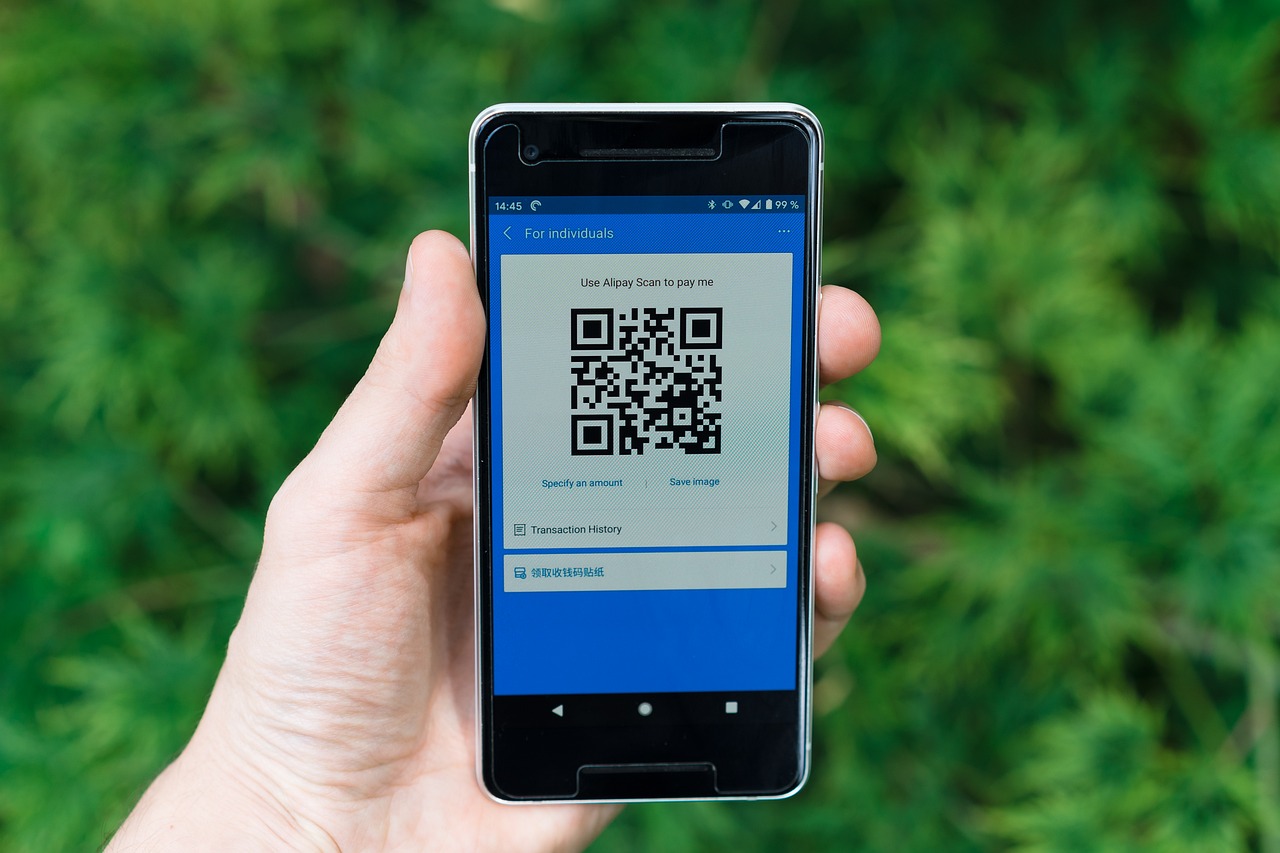

QR Code Payments and the Future of Cashless Societies
The advent of QR code payments has revolutionized financial transactions in today’s digital era. A QR code, or Quick Response code, is a two-dimensional barcode that allows users to make instant payments through their smartphones. This technology not only enhances convenience but also reduces transaction times significantly compared to traditional payment methods. QR codes can securely store user information, which facilitates faster processing of payments, promoting a smoother consumer experience. Furthermore, QR code payments eliminate the need for cash handling, which has become increasingly relevant in a world prioritizing hygiene and safety. Mobile banking applications often incorporate QR code technology, allowing individuals and businesses to send and receive money effortlessly. As users become more familiar with mobile payment systems, the adoption of QR codes is expected to skyrocket. This trend is vital for markets that aim to establish a cashless society. Governments and financial institutions are exploring ways to encourage QR code payments through incentives and education to ensure accessible financial services for all.
The Advantages of QR Code Payments
Several advantages are associated with QR code payments that make them appealing to both consumers and businesses. Firstly, these payments are incredibly user-friendly. A simple scan of a QR code can execute transactions, which diminishes the complexities often linked with other payment methods. Additionally, QR codes drive down costs for businesses, as they necessitate minimal technological investment compared to traditional point-of-sale (POS) systems. Small businesses in particular benefit from accepting QR payments, as they evade hefty transaction fees typically imposed by credit card companies. Another critical advantage is the enhanced security that QR codes provide. Since they utilize encryption techniques, sensitive information is well-protected from potential cyber threats. Moreover, QR code payments enable tracking and recording of transactions, which helps businesses manage finances more effectively. Consumers are also drawn to the rewards and promotions offered by many businesses for using QR code payments, further incentivizing cashless transactions. As technologies advance, the reliability and security of these systems will likely improve, resulting in even wider adoption in the future.
As QR code payments gain traction, it is essential to address the challenges that come along with their implementation. One primary hurdle is the digital divide, which limits access to technology for specific demographic groups. While smartphones are common, not everyone possesses the necessary devices or knowledge to navigate mobile payment applications, hindering the transition to a cashless society. Additionally, there are concerns over cybersecurity risks; users may be hesitant to adopt QR payment systems due to fears of data breaches or fraud. The prevalence of scam QR codes that redirect users to harmful sites further exacerbates these worries. Hence, enhancing digital literacy and implementing robust security measures is crucial in fostering consumer confidence. Governments and financial organizations are crucial players in this aspect by promoting educational programs to enlighten users about safe QR code usage. Another challenge is ensuring interoperability among different payment systems, which calls for standardization to enable seamless transactions across platforms. Overcoming these challenges is vital to realizing the full potential of QR code payments in a cashless future.
Global Trends in QR Code Payments
The global landscape of QR code payments is evolving rapidly, with various regions embracing this technology differently. In Asia, particularly in China, QR payments have become mainstream. Platforms like WeChat and Alipay have transformed the payment ecosystem, allowing users to make transactions with ease. The widespread acceptance in retail outlets, restaurants, and even street vendors showcases the seamless integration of QR codes in everyday life. Other regions, such as India and Southeast Asia, are catching up quickly as governments promote cashless transactions. In contrast, Western countries like the USA and many parts of Europe are witnessing a slower adaptation process. However, there is growing recognition of QR codes in contactless payment solutions, especially post-pandemic due to the increased preference for touch-free transactions. Major financial service providers are injecting resources into education and infrastructure to further push this shift. As consumers worldwide become more accustomed to digital solutions, QR code payment adoption is expected to expand significantly, playing a pivotal role in developing numerous cashless societies across continents.
When evaluating the future of QR code payments, it is essential to consider technological advancements and their potential impact. Innovations in blockchain technology are increasingly being integrated with QR codes, resulting in enhanced security features that could mitigate threats associated with user data breaches. Furthermore, the rise of the Internet of Things (IoT) allows for smart devices to effortlessly process QR payments, creating more opportunities for businesses to meet consumer demands. With the growing emphasis on artificial intelligence, predictive analytics can optimize user experiences by providing tailored offers based on payment history and preferences. Another factor that cannot be overlooked is the integration of loyalty programs with QR code payments. Businesses are increasingly utilizing QR code systems for customer engagement and retention through reward systems, driving more consumers to digital payment platforms. As the market becomes saturated with options, providing unique incentives will be vital for businesses to maintain customer loyalty. In summary, the evolution of QR code payments is closely tied to technological advancements that promise a more efficient, secure, and consumer-friendly payment ecosystem.
The Role of Governments and Regulators
Governments play a pivotal role in facilitating the growth of QR code payments within their jurisdictions. Regulatory frameworks must exist to ensure consumer trust and financial stability, as widespread adoption may disrupt traditional financial institutions. Establishing clear guidelines for the use of QR codes for payments is paramount in promoting safe transactions. Many governments are now exploring pilot programs to assess the feasibility of national digital currencies that can work in conjunction with QR code systems. Moreover, measures must be implemented to protect consumers from potential scams and fraud associated with QR codes. By introducing standardization across payment systems, governments can provide clarity for consumers navigating multiple platforms. Regulatory bodies can offer resources and educational initiatives aimed at enhancing public understanding of digital payments, focusing on their safety and technological aspects. Collaborations between governments and private sector players, such as fintech companies, are crucial in shaping policies that foster innovation while safeguarding consumer rights. A supportive regulatory environment is necessary to accelerate the transition to a cashless society through QR code payments, ultimately benefiting the economy as a whole.
As QR code payments and cashless societies continue to emerge, defining the future trajectory of these innovations remains critical. Public perception and acceptance significantly influence the growth of QR code payment systems. Consumer education, focused on the benefits and drawbacks of digital payments, will increase comfort levels as individuals navigate new technologies. Awareness campaigns can highlight the advantages of QR payments, such as faster transactions and decreased reliance on cash handling. Additionally, businesses and financial institutions must consider the evolving needs of consumers, optimizing services to cater to digital payment preferences. With the expected proliferation of smart devices, accessibility to QR payment systems will inevitably rise. Moreover, partnerships between fintech companies and traditional banks can facilitate more inclusive services for underserved populations and enhance the overall financial ecosystem. As markets continue to innovate, understanding consumer behavior and technological trends becomes increasingly essential. In conclusion, the success of QR code payments and cashless societies hinges upon collaboration between various stakeholders including governments and businesses, paving the way for a brighter digital payment future.
Overall, the journey towards cashless societies powered by QR code payments requires a multifaceted approach that encompasses consumer education, regulatory support, and technological innovation. Promoting these systems will rely heavily on understanding the unique challenges of various markets while fostering collaboration among stakeholders. As the world adapts to this digital revolution, QR code payments stand at the forefront, offering unprecedented convenience and efficiency. By addressing the barriers to adoption and leveraging advancements in technology, the transition to cashless societies can be made smoother and more inclusive. The synergy between QR code payments and user-friendly mobile applications can enhance financial inclusion by reaching previously underserved populations. Furthermore, emphasizing security and reliability will be crucial in driving consumer confidence as they adapt to these systems. As more businesses adopt QR code payments, the economic benefits will become increasingly evident, showcasing the efficiency of digital transactions. As societies evolve, the quest for enhanced payment solutions continues, with QR codes leading the way toward innovative cashless ecosystems. The future indeed looks bright for QR code payments, promising a seamless and effective financial landscape for all.