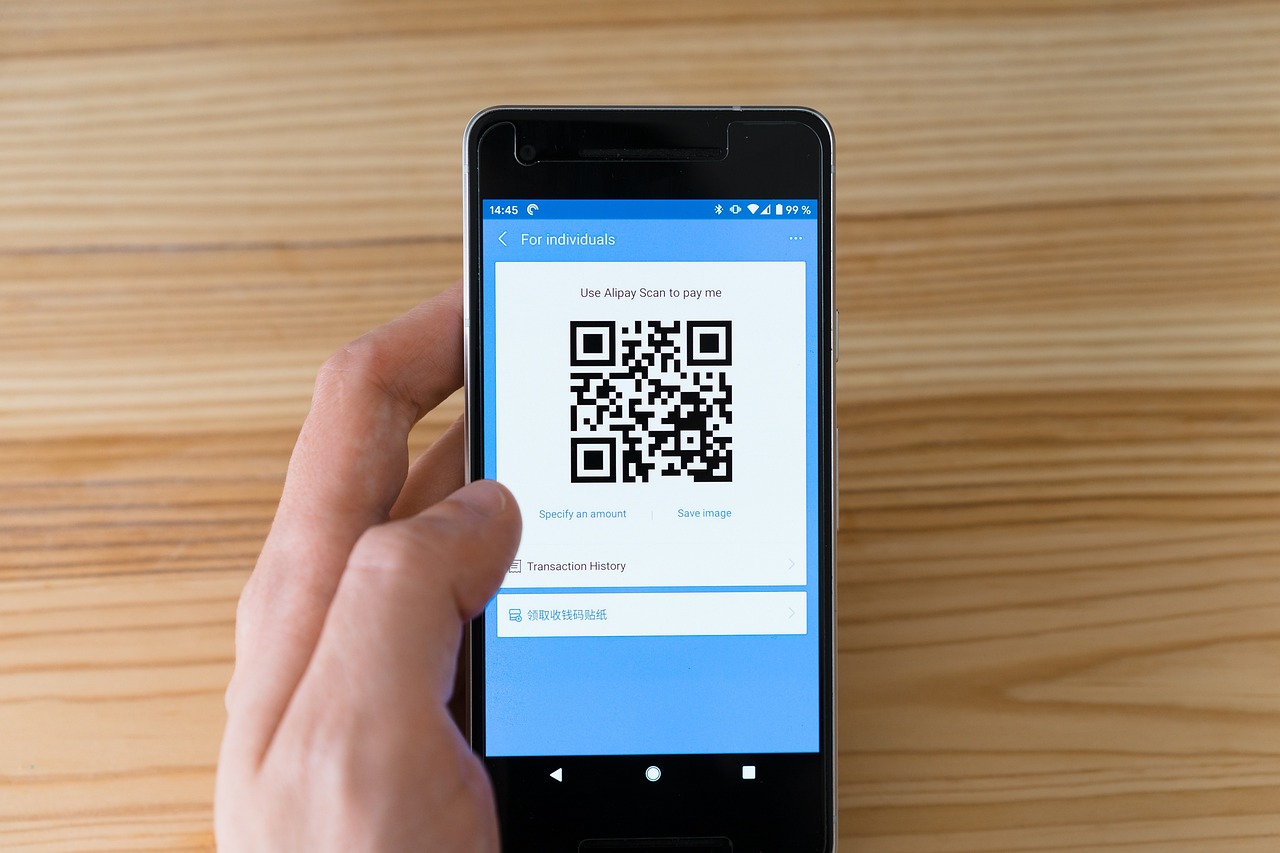

The Growing Role of Mobile Payments in International Transactions
In recent years, mobile payment systems have surged in popularity, transforming the landscape of international transactions. This shift is largely attributed to advancements in technology and increased smartphone penetration globally. As consumers become more comfortable using mobile apps for their financial needs, businesses must adapt to meet this demand. Traditional payment methods often involve lengthy processing times and various fees, which can discourage international trade. Mobile payments provide a quicker, more efficient alternative that allows for real-time transactions across borders. Furthermore, mobile payment platforms are often user-friendly, encouraging a wider audience to engage in commerce. Immediate availability of funds and ease of transactions have made mobile payments an attractive option for both consumers and merchants. The convenience of being able to complete transactions from anywhere, at any time, cannot be overstated. Additionally, the secure encryption methods employed by mobile payment systems foster trust among users. With this growing trend, companies must stay informed about how to integrate mobile payments effectively into their operations for increased success and customer satisfaction.
As international trade continues to expand, understanding the benefits of mobile payment systems becomes crucial for businesses. With a growing number of consumers actively using mobile wallets, companies can streamline their global financial processes. For instance, mobile payments reduce the reliance on traditional banking structures and help decrease transaction fees, making international commerce more accessible. Enhanced security measures, such as biometric authentication and tokenization, ensure that transactions are safe and secure. Moreover, mobile payment technologies cater to various currencies, which is essential in global markets. Businesses that adopt these innovations can effectively reach a wider audience, paving the way for improved customer experiences. Furthermore, the integration of mobile payment systems with e-commerce platforms facilitates seamless transactions for both buyers and sellers. Companies can reach consumers in remote areas who may lack access to traditional banking systems. The impact of mobile payments also extends to assisting small businesses in entering the international market. These advantages demonstrate how critical it is for businesses to embrace mobile payments for growth and development in the international arena.
Challenges with Mobile Payment Integration
Despite the numerous advantages that mobile payment systems offer, challenges remain that companies must address to fully capitalize on these technologies. One significant obstacle is the disparity in technology adoption across different regions. While urban areas may have high smartphone penetration, rural regions can lag behind. This digital divide can restrict the customer base for mobile payments, making it essential for businesses to find alternative solutions. Additionally, adapting to different regulatory environments can pose a major challenge, as countries may have varying rules surrounding mobile payments. Compliance with these regulations often requires dedicated resources, including time and expertise. Furthermore, educating consumers about mobile payment options and their benefits is crucial for widespread acceptance. There is often skepticism regarding security, especially among individuals unfamiliar with digital transactions. Building trust through transparent communication about security measures can help mitigate these concerns. Finally, businesses must ensure that their systems are user-friendly and efficient, enabling a positive experience for users. Addressing these challenges head-on will be essential for making mobile payments a standard part of international transactions.
To increase the adoption of mobile payment systems, collaboration among stakeholders is vital. Partnerships between technology firms and banks can create innovative solutions that enhance the overall user experience. Moreover, working collaboratively with government entities can help establish a consistent regulatory framework favorable to mobile payments. Educational initiatives aimed at both consumers and businesses can expand understanding of these tools. For example, webinars, workshops, or even social media campaigns can be utilized to promote the advantages of mobile payments. Additionally, actively responding to consumer feedback can lead to improved features and services, thus encouraging more users to embrace mobile payments. Engagement through social platforms can help demystify mobile payments, highlighting their safety and efficiency. Technology companies also play a critical role by continuously improving mobile payment applications, ensuring they are equipped with security features that foster user trust. By prioritizing security, accessibility, and efficiency, mobile payments can become an integral part of global commerce. Through effective collaboration and consumer education, businesses can position themselves at the forefront of this growing trend, ensuring long-term success in the international marketplace.
The Future of Mobile Payments in International Transactions
The future of mobile payments in international transactions looks promising as more innovations emerge. Technologies such as blockchain and artificial intelligence are poised to play crucial roles in shaping mobile payment systems. Blockchain technology can enhance transaction security and transparency, making it an attractive option for international payments. Additionally, AI can help streamline payment processes and reduce fraud by analyzing transaction patterns and identifying unusual activity. To stay competitive, businesses must keep pace with ongoing advancements in these technologies and find ways to implement them effectively. As more consumers demand quicker, safer payment options, mobile payments will likely become the norm rather than the exception. Moreover, the incorporation of cryptocurrencies into mobile payment systems may expand the possibilities for international transactions. This evolution will require businesses to adapt their strategies and embrace flexibility to meet changing consumer preferences. Anticipating future trends and staying informed will be paramount for businesses aiming to thrive in the ever-evolving landscape of mobile payments. Ultimately, companies that proactively engage with these emerging trends will secure an advantageous position in the competitive global market for international transactions.
As we move towards a more digital economy, the role of mobile payments in international trade will continue to grow. Customers increasingly prioritize convenience, prompting businesses to adopt mobile payment solutions that align with consumer preferences. This transformation will not only impact large corporations but also smaller enterprises that recognize the benefits of integrating mobile payments into their operations. By offering such payment options, businesses can appeal to a broader audience and potentially increase revenue. Furthermore, adapting to the mobile payment landscape can set companies apart from their competitors. Those that embrace early adoption of mobile payment technologies will benefit greatly as consumers shift towards digital solutions. Beyond enhancing customer experiences, mobile payments can enable valuable insights into consumer behavior and preferences through data analytics. By understanding trends, businesses can tailor their offerings to meet evolving needs, thus improving overall satisfaction. The synergy of technology and consumer demand will ultimately propel mobile payments’ significance in international transactions even further. As businesses strategize their approach, investing in mobile payments will undoubtedly be integral to maintaining a competitive edge in the global marketplace.
Conclusion
In conclusion, mobile payments are fundamentally reshaping international transactions by providing a faster, secure, and user-friendly alternative to traditional methods. Businesses that recognize the importance of adopting mobile payment systems stand to benefit significantly in terms of customer satisfaction and operational efficiency. As mobile technology continues to advance, the emphasis on flexibility and adaptability in payment solutions will only heighten. By addressing existing challenges and collaborating with stakeholders, businesses can support the widespread adoption of mobile payments. Furthermore, continuous education and improvements in technology will create an inclusive payment environment that supports both large and small businesses. Ultimately, the growing role of mobile payments will drive the evolution of international commerce, making it imperative for companies to embrace these innovations. The shift towards mobile payments is not merely a trend; it represents a transformational change in how transactions are conducted across borders. As this landscape continues to evolve, forward-thinking businesses will adopt strategies that capitalize on mobile payment opportunities, ensuring long-term growth and success in an increasingly digital economy.
On a final note, the rise of mobile payments in international transactions is a reflection of our changing financial landscape. With tailored solutions that cater to diverse needs, mobile payments offer both convenience and security for businesses and consumers alike. In this ever-evolving digital economy, those who adapt to these changes will possess the agility necessary to thrive. Whether facilitating a simple transaction or a complex international trade deal, mobile payments are becoming integral in driving global commerce forward. As we look ahead, it will be fascinating to witness how these systems further develop to innovate and enhance the payment experience. Companies that align themselves with these advancements will surely secure a strategic advantage in the highly competitive international market. The convergence of technology and consumer preferences heralds a new era for payment solutions, representing a harmonious blend of convenience, trust, and innovation. By staying proactive and engaged with emerging opportunities, businesses can seize the future of international transactions. Embracing mobile payments grants firms a competitive edge, enabling them to flourish in a connected world that demands speed and efficiency.