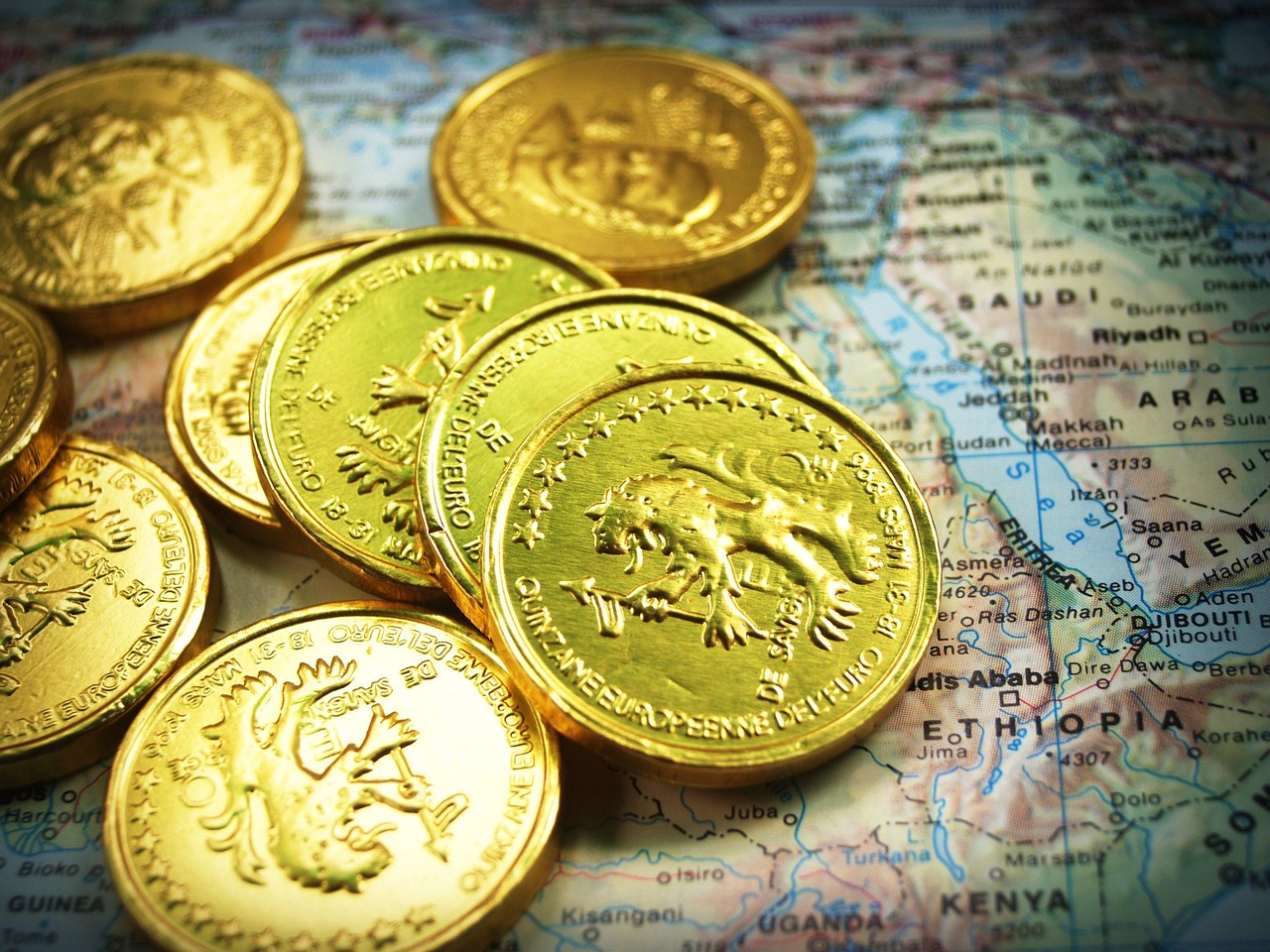

The Role of Gold in Global Currency Reserves
Gold has been a significant component of global currency reserves for centuries, revered as a safe haven during financial instability. Central banks worldwide hold substantial gold reserves to bolster their monetary policy and safeguard against inflation. The allure of gold lies in its limited supply and intrinsic value, making it a reliable asset during economic downturns. Historically, nations turned to gold to stabilize their currencies and as a standard for trade, promoting stability within their economies. In today’s globalized economy, nations still prioritize gold as an essential asset. Many central banks diversify their reserves by modifying the ratio of gold to other currencies like the dollar or euro. The ongoing fluctuations in global markets lead to shifts in how these nations manage their reserves. As a mask of volatility descends upon fiat currencies, gold’s unique properties make it more appealing for maintaining economic strength and global prestige. Additionally, international events can rapidly alter the demand for gold, challenging traditional reserve management strategies. Thus, it remains indispensable for countries seeking financial resilience and an edge over competing economies.
The importance of gold in global currency reserves is reflected in its historical performance and value retention. Unlike paper currencies that can be devalued, gold consistently preserves its purchasing power over time. During periods of geopolitical turmoil, gold tends to perform well, as it is seen as a safe store of value. Some nations have increased their gold purchases in response to international trade tensions. For instance, during the 2008 financial crisis, several countries opted to bolster their gold holdings to shield against future economic uncertainties. Investors often seek gold as a hedge against inflation, amplified by the growing trend of quantitative easing adopted by central banks. This has led to heightened demand for physical gold, driving prices up in return. Many analysts argue that gold is an essential part of a balanced investment portfolio, offering stability when other asset classes falter. Furthermore, the diversification benefits associated with gold investments can be particularly influential in broader global markets. As central banks continue adjusting their strategies, gold will likely remain pivotal in shaping international financial landscapes.
The Impact of Digital Assets on Gold
Emerging digital currencies, including cryptocurrencies, have begun to impact the role of gold within currency reserves. While cryptocurrencies have gained popularity as alternative assets, gold still holds its historical value and reliability. Digital assets may appeal to younger investors looking for innovative and potentially lucrative opportunities. However, gold remains a cornerstone of wealth preservation for many traditional investors. As central banks explore ways to incorporate digital currencies into their reserve systems, gold’s status remains unchallenged. Some have even dubbed gold the original cryptocurrency due to its long-standing use as a currency and medium of exchange. While digital assets may disrupt traditional financial systems, they also face challenges including volatility and regulatory scrutiny. This makes gold an attractive alternative for nations focusing on stability and security. The future of gold within global currency reserves may become interconnected with the growing digital landscape, refining how reserves are managed across nations. Therefore, it’s critical for investors and policymakers alike to navigate these developments cautiously to ensure the longevity of gold in diverse investment portfolios.
Furthermore, the relationship between gold and other currencies can significantly influence global markets. Investors often turn to gold during currency depreciation or uncertainty. This phenomenon can be attributed to the perception of gold as a safe haven asset. When investors flee from uncertain economic conditions, they seek shelter in gold, driving its prices higher. Conversely, during stable economic periods and strong currency performance, demand for gold may weaken. The dynamic interplay between gold prices and global currencies emphasizes the necessity for strategic reserve management. Central banks monitor economic indicators and geopolitical tensions closely, adjusting their holdings to maximize gains and minimize risks. Some nations, particularly emerging markets, have been increasing their gold reserves in response to currency fluctuations. This proactive approach strengthens their economic positions in the global marketplace. The historical precedent of utilizing gold as currency or collateral showcases its enduring appeal as a reserve asset. As we progress into a more interconnected world, the factors influencing gold’s role within currency reserves will likely evolve, making it essential for strategic planning and assessment.
Gold’s Role in Economic Stability
Gold plays a crucial role in providing economic stability in times of uncertainty. When traditional markets face unpredictability or volatility, gold can emerge as a secure asset, shielding economies from downturns. This is particularly important for countries with developing economies, where reliance on stable currency values is paramount. During financial crises, gold can act as a buffer against inflationary pressures that often arise. For example, in nations experiencing rapid inflation, gold can maintain value while currencies lose purchasing power. Moreover, the psychological impact of gold’s stability also bolsters public confidence in a nation’s financial system. Historically, countries that have maintained substantial gold reserves have emerged more resilient during financial upheavals. Moreover, gold can help mitigate risks associated with geopolitical tensions that lead to economic instability. Nations that prioritize gold in their reserves strengthen their negotiating positions in international trade. Consequently, gold’s role in promoting stability underscores its enduring significance, even in an increasingly digital economy. The strategic accumulation of gold as part of currency reserves will continue to support economic resilience on a global scale.
Investors and policymakers must remain vigilant in understanding gold’s correlation with macroeconomic trends. Fluctuations in interest rates, inflation, and currency valuations can precipitate changes in gold demand and its staking within reserves. Central banks commonly analyze these economic indicators to formulate strategies that prioritize gold investments. For example, when inflation rises, the demand for gold typically increases as investors seek to hedge against eroding purchasing power. Additionally, fluctuations in interest rates can impact gold’s attractiveness compared to interest-bearing assets. The evolution of gold reserves within the changing global landscape represents a crucial intersection of financial strategies. Furthermore, innovations in gold trading and investments, such as exchange-traded funds (ETFs), have made gold more accessible while enhancing its liquidity. Participants in the global economy now view gold not just as a metal but as a financial instrument. As central banks adopt diverse strategies to withstand economic challenges, gold continues to evolve within the paradigm of currency reserves, maintaining its significance. Ultimately, comprehensive understanding of these factors will better equip nations and investors for the future environment of global finance.
The Future of Gold in Reserves
Looking forward, the role of gold within global currency reserves is likely to evolve further as economic conditions shift. Central banks will continue to reevaluate their gold holdings in light of changing market dynamics, geopolitical events, and emerging economic theories. One of the notable trends is the increasing emphasis on sustainability in investment portfolios, which could influence gold’s appeal in the future. As more nations commit to ecological sustainability, the mining and refining processes of gold could come under scrutiny. Furthermore, there may be innovations in gold storage and trading processes, enhancing liquidity and accessibility to gold as an investment. Additionally, the impact of digital currencies may become more pronounced, potentially reshaping monetary policies. Countries interested in adopting Central Bank Digital Currencies (CBDCs) may explore ways to integrate gold into their frameworks. While uncertainties loom, one thing remains clear: gold’s historic value as a reliable asset will continue to endure. Overall, its role within reserves will navigate an evolving financial landscape, remaining integral to the economic stability of nations worldwide.
In conclusion, gold’s place within global currency reserves demonstrates its continuing importance despite emerging trends in finance. Throughout history, gold has served as a hedge against economic instability. As global markets continue to fluctuate, nations and investors rely on gold to enhance portfolio resilience. The pressures of inflation and unpredictable economic conditions will likely sustain demand for gold as a key reserve asset. While digital currencies and alternative investments continue to make headway, gold remains unmatched as a resolute and reliable store of value. The ongoing interest from central banks in bolstering their gold holdings emphasizes this continued relevance in today’s economy. Investing strategies focusing on gold, including ETFs and physical gold, reflect its ongoing appeal and multifaceted applications. As the landscape of global finance evolves, understanding and adapting to the changing dynamics surrounding gold becomes vital for ensuring economic resilience. Furthermore, the implications of gold on monetary policy cannot be overstated. Gold will remain at the forefront as nations navigate the complexities of the global economy. Its enduring worth confirms that it will maintain an integral position in shaping future currency strategies.