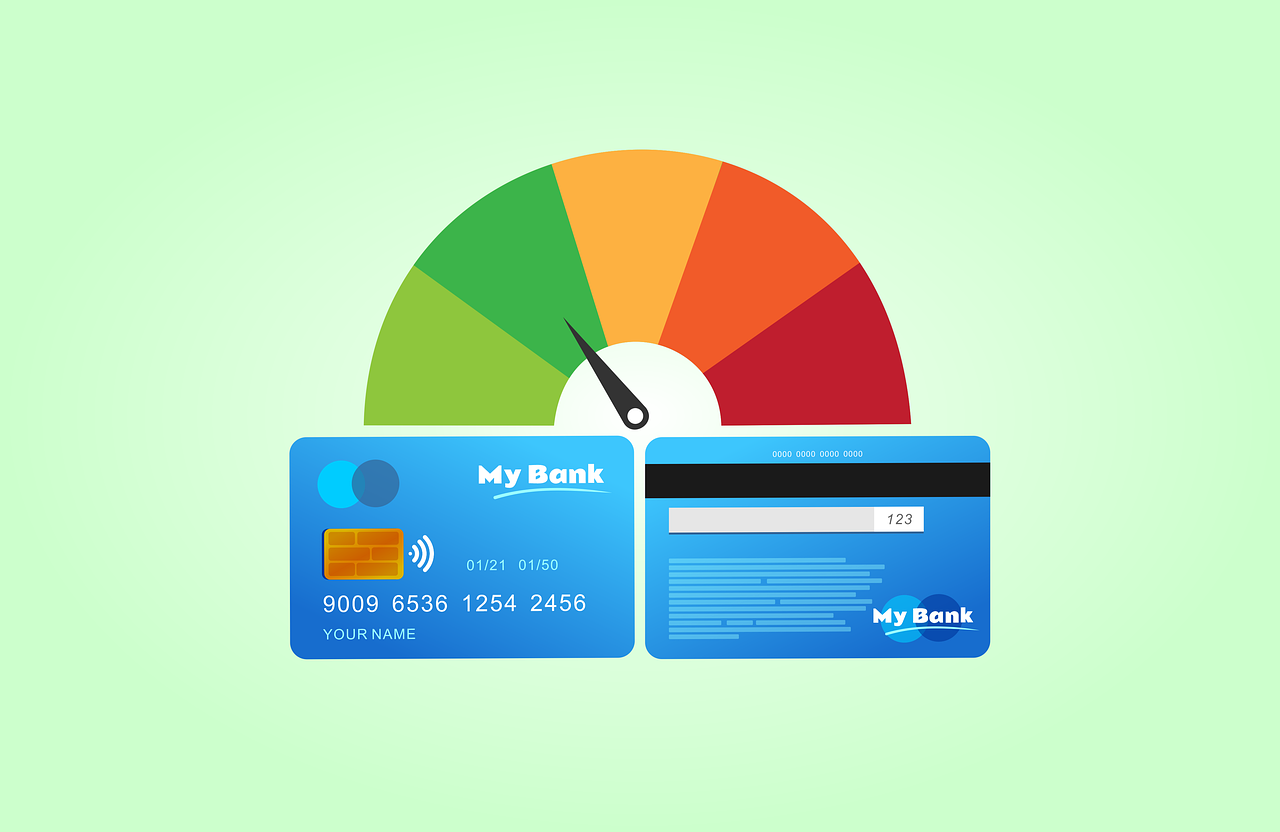

The Role of Secured Credit Cards After Bankruptcy
For individuals navigating the aftermath of bankruptcy, understanding the role of secured credit cards can be crucial for financial recovery. When bankruptcy is declared, a credit score can plummet, affecting future borrowing abilities. Secured credit cards offer a solution by enabling people to rebuild their credit scores. Unlike traditional credit cards, secured cards require a cash deposit, which acts as collateral and the credit limit. This deposit minimizes risks for lenders, making it easier for former bankrupt individuals to gain approval. As cardholders use secured cards responsibly, making timely payments and maintaining low balances, positive payment history can gradually improve their credit scores, signaling lenders of their improved financial behavior. However, it’s important to choose secured cards with reasonable fees and terms. Many providers report payments to major credit bureaus, which is essential for effective score rebuilding. Although secured cards might seem limiting compared to unsecured options, they can play an integral role in regaining financial standing. Ultimately, individuals must assess their personal financial situations, obligations, and future credit needs when deciding to utilize secured credit cards for recovery.
Post-bankruptcy credit repair requires strategic planning and informed choices. Secured credit cards are often recommended as viable tools for rebuilding creditworthiness. Once consumers understand how secured cards function, they can leverage these financial instruments to their advantage. After bankruptcy, it’s vital to rebuild credit gradually, and secured cards permit this process. As payments are made consistently on secured cards, positive payment history is established, leading to potential increases in credit scores over time. Furthermore, maintaining a low utilization ratio demonstrates sound credit management, which is favorably viewed by borrowers. Selecting a suitable secured card is crucial, as not all cards report to credit bureaus; therefore, it’s essential to verify this feature. In this regard, reputable institutions that help individuals in financial distress should be consulted, guiding them on card choices and management strategies. Cardholders should also understand the terms associated with their secured cards to avoid unnecessary fees. This holistic approach can help ensure they harness the full benefits of secured cards, bringing them closer to financial stability and allowing them to progress beyond their bankruptcy situation.
The impact of bankruptcy on credit scores can be detrimental and lasting. The filing can lower a strong score by as much as 200 points, making future borrowing challenging. Secured credit cards serve as a bridge during this rehabilitation phase. These cards not only provide access to credit but also serve as a tool to demonstrate responsible financial behavior. As users charge modest amounts on their secured cards and pay off their balances monthly, they begin to re-establish their credit history. This provides banks and lenders a glimpse into the user’s renewed commitment to financial stability. Initially, it may feel like a limiting option, but secured credit cards can actually open doors to better financial opportunities in the future. As an individual’s credit score begins to improve, they might qualify for unsecured credit products with better terms. All this reinforces the idea that initial steps post-bankruptcy necessitate careful credit management and consistent smart usage of secured financial instruments to ensure a pathway toward a brighter financial future.
Choosing the Right Secured Credit Card
When considering secured credit cards, it’s important to analyze key features before applying. Researching different cards will reveal diverse options in terms of fees, limits, and benefits. Opting for a card that offers low or no annual fees can save money in the long run, allowing users to concentrate on rebuilding their credit instead of paying off card costs. Additionally, some secured cards offer rewards programs, which can be advantageous for users making regular purchases. Transparency in terms of how credit card issuers report to credit bureaus is another vital factor. Users should prioritize secured cards that report to all three major credit bureaus, as this maximizes the potential for credit score improvement. Also, it’s wise to check the issuer’s reputation regarding customer service and responsiveness to inquiries. Overall, finding a secured credit card that aligns with personal financial goals while minimizing costs will set the stage for successful credit recovery and improving one’s overall financial standing post-bankruptcy.
Managing a secured credit card comes with essential responsibilities. Following responsible financial practices is crucial for ensuring effective credit score rebuilding. It’s imperative that cardholders make their payments on time every month, as late payments can severely hinder improvement efforts. Furthermore, individuals should monitor their credit utilization ratio, recommending a limit of 30% of the credit limit at most. Keeping it low demonstrates fiscal responsibility and can positively impact credit scores. Regularly reviewing credit reports for accuracy and discrepancies is also beneficial in ensuring that debts are correctly reported. If any mistakes are detected, they can be disputed, speeding up one’s credit recovery journey. Some secured card holders may choose to increase their credit limit by adding more collateral, facilitating better credit utilization ratios. Ultimately, continuous engagement with credit management tactics while using secured credit cards is crucial. Over time, responsible card use fosters a stronger credit profile, enabling users to transition smoothly into other credit opportunities as they rebuild their financial independence and regain control over their financial destinies after bankruptcy.
Secured credit cards provide users with an effective tool for rebuilding credit after bankruptcy, but they should also be considered with caution. One must carefully assess when to transition from a secured card to unsecured credit options. Once credit scores improve and the individual feels financially stable, it may be worthwhile to explore unsecured card options. Secured cards have their advantages, yet their dependency may limit future financial flexibility. Moreover, secured credit cards typically have lower credit limits, which may not suffice for substantial purchases in the long run. Users should monitor their score progression regularly to identify the right moment for this transition. As they continue to practice sound financial habits, users will accumulate a more favorable credit history. This opens the door to unsecured cards with higher limits and better terms. Being proactive about credit monitoring can instill confidence when deciding to switch to unsecured credit options. In essence, the journey of credit restoration after bankruptcy is not just about securing credit; it’s about strategically navigating through the phases of credit rebuilding while ensuring long-term financial health.
The Importance of Financial Education
Education plays a pivotal role when it comes to successfully navigating credit post-bankruptcy. Understanding financial concepts and credit mechanisms is essential for making informed decisions. Users can significantly reduce the risk of falling into similar predicaments in the future by increasing their financial literacy. Resources available online include guides, webinars, and articles that provide insights into credit management and financial stability. Furthermore, participating in local community workshops can also enhance knowledge surrounding budgeting and credit utilization. Such opportunities encourage individuals to develop skills for making sound financial choices and avoiding potential pitfalls. Financial education instills confidence, empowering consumers to take charge of their financial futures effectively. Additionally, those recovering from bankruptcy should take the initiative to stay informed about evolving financial products and options available in the market. Building a strong foundation of knowledge can lead to better financial outcomes and the ability to sustain credit-rebuilding efforts over time. Ultimately, securing knowledge about credit practices is just as crucial as obtaining a secured credit product for rebuilding one’s credit health while ensuring financial well-being.
In summary, secured credit cards play a significant role in rebuilding credit after bankruptcy. Their fundamental function is to provide individuals with an opportunity to demonstrate responsible credit behavior. By utilizing these cards effectively, users can see improvements in their credit scores while gradually increasing their creditworthiness. It’s essential, however, to navigate this recovery path mindfully, making informed choices regarding card selection, usage, and ongoing education in financial literacy. The ultimate goal is not just to obtain credit but to cultivate a healthier financial future. Users must remember that although bankruptcy presents unique challenges, it also presents an opportunity for growth and change. With commitment and perseverance, rebuilding their credit and financial status post-bankruptcy is entirely within reach. As individuals learn to manage their finances effectively, they set themselves up for future financial success. In closing, the role of secured credit cards should not be underestimated as a vital stepping stone in recovering from bankruptcy and re-establishing a positive credit profile. Users should embrace the journey of financial rebuilding, ensuring they understand every aspect of their financial decisions.