
The Role of Technology in Enhancing Risk Reporting
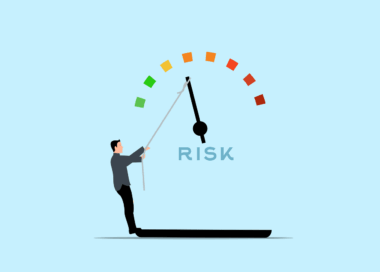
In today’s evolving financial landscape, the importance of effective risk reporting cannot be overstated. Organizations face numerous challenges in identifying, quantifying, and communicating risks effectively to stakeholders. Technology plays a pivotal role in overcoming these challenges, as it enables the automation and streamlining of risk reporting processes. Through advanced analytics and reporting tools, organizations can deliver real-time insights into risk exposure. This capability is essential for informed decision-making and demonstrates a commitment to transparency and accountability. Moreover, emerging technologies like artificial intelligence and machine learning facilitate predictive analytics, helping organizations to foresee potential risks before they materialize. Furthermore, these technologies ensure consistency and accuracy in reporting, reducing the potential for human error. Risk management software integrates data from various sources, allowing for comprehensive risk profiling. Additionally, visualization tools present data in engaging formats, making complex information easier to digest. Overall, embracing technology in risk reporting enhances operational efficiency, fosters collaboration across departments, and strengthens organizational resilience against potential threats.
Moreover, an essential aspect of enhancing risk reporting is the integration of a centralized risk management platform. By consolidating data onto a single platform, organizations can maintain a holistic view of their risk landscape. This platform facilitates data sharing across departments, leading to a more unified approach to risk analysis. With centralized reporting, companies can ensure that the information is accurate, up-to-date, and accessible to decision-makers in real-time. Additionally, it aids in tracking key risk indicators (KRIs) effectively, ensuring proactive identification of emerging risks. The use of dashboards and reporting tools allows organizations to visualize their risk data, making it simpler to derive insights and make informed decisions. This visual representation reduces the cognitive overload associated with interpreting complex risk data. Moreover, incorporating feedback loops into the reporting process enables continuous improvement in risk assessment methodologies. Stakeholders can provide input on the clarity and relevance of reports, which helps refine reporting processes over time. Ultimately, establishing a centralized risk management platform promotes a culture of risk awareness and supports better decision-making across the organization.
Benefits of Automation in Risk Reporting
Automation in risk reporting streamlines processes, enhances accuracy, and minimizes manual intervention. When organizations implement automated systems, they significantly reduce the time spent on data collection and report generation. This allows risk managers to focus on more strategic tasks, such as analyzing trends and developing mitigation strategies. With automated tools, data is collected and processed seamlessly, ensuring that stakeholders have access to the most current information. Additionally, automated reports are less prone to human error, which greatly increases the reliability of risk assessments. Furthermore, automated systems can easily adapt to regulatory changes, updating parameters and reporting methods in real-time. This adaptability is essential in a rapidly changing compliance environment. Moreover, automation fosters scalability; as organizations grow, their risk reporting needs may become more complex. Advanced tools are designed to handle increased data volumes without significant additional costs or resources. By investing in automation, organizations not only enhance their risk reporting capabilities but also strengthen their overall risk management framework, leading to improved organizational resilience.
Incorporating artificial intelligence (AI) into risk reporting further revolutionizes how organizations approach risk management. AI algorithms can analyze vast amounts of data at speeds unattainable by humans, identifying patterns and anomalies that might indicate potential risks. This capability allows organizations to react swiftly to emerging threats and adjust their risk profiles dynamically. Additionally, AI-powered predictive analytics can forecast future risks based on historical data trends, enabling proactive risk mitigation strategies. The integration of natural language processing (NLP) allows organizations to extract insights from unstructured data sources, such as text-based reports and social media. This enriched data analysis provides a more comprehensive view of risks and enhances the contextual understanding of risk narratives. Furthermore, AI systems continuously learn from new data input, improving their predictive capabilities over time. As a result, organizations can create a more resilient risk management system that not only reacts to risks but is also capable of anticipating and preparing for them. Ultimately, integrating AI into risk reporting enhances both operational efficiency and the effectiveness of risk management strategies.
Leveraging Data Visualization for Effective Risk Communication
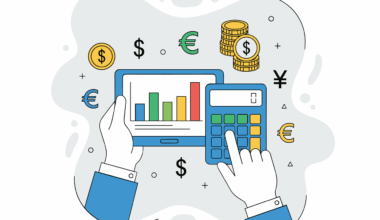
Data visualization is a powerful tool in risk reporting, as it transforms complex data sets into easily understandable formats. By utilizing graphs, charts, and infographics, organizations can present key risk indicators and metrics in a visually engaging manner. This enhances stakeholder comprehension and facilitates quicker decision-making processes. Effective data visualization helps convey the significance of risks in a dynamic and interactive manner, allowing stakeholders to grasp trends at a glance. Moreover, the use of color coding and intuitive layouts can highlight areas requiring immediate attention. Incorporating visual storytelling techniques further elevates the communication of risk information, making it more relatable and compelling. These techniques can drive conversations around risk management, ensuring that stakeholders understand the implications of risks on the organization. Additionally, visualization tools can enable scenario analysis, illustrating potential impacts of various risk scenarios. This empowers decision-makers to explore different strategies for risk mitigation. Ultimately, leveraging data visualization not only enhances communication but also promotes a proactive risk management culture across the organization.
A crucial element in enhancing risk reporting is fostering collaboration among various stakeholders. A collaborative approach ensures that the risk reporting process encompasses diverse perspectives and expertise. Engaging different departments, such as finance, operations, and compliance, allows for comprehensive risk analysis and identification of interdependencies among risks. Collaborative risk reporting can uncover hidden risks, as different teams may have unique insights into potential vulnerabilities. Furthermore, establishing cross-functional teams to review and discuss risk reports strengthens organizational understanding of risks and fosters a culture of shared responsibility. Regular meetings and workshops can enhance dialogue around risk reporting, encouraging open discussions and knowledge sharing. Utilizing collaborative software tools can facilitate real-time communication and information sharing among team members. These strategies empower stakeholders to be actively involved in the risk reporting process, leading to more informed decision-making. By creating a culture that values collaboration, organizations can enhance the quality and reliability of their risk reports, ultimately driving stronger risk management outcomes and better aligning stakeholder interests.
Conclusion: The Future of Risk Reporting
As organizations continue to navigate an increasingly complex risk landscape, the importance of effective risk reporting cannot be underestimated. The integration of technology has proven to be a game-changer, offering numerous tools and methodologies that enhance risk communication and decision-making. By embracing automation, AI, and data visualization, organizations can streamline their risk reporting processes and deliver timely insights to stakeholders. Moreover, fostering collaboration and creating centralized risk management platforms will further enhance the accuracy and reliability of risk reports. Looking ahead, organizations must remain adaptable and responsive to emerging risks and evolving regulatory environments. The future of risk reporting will likely see a continued emphasis on real-time reporting and predictive analytics, enabling organizations to stay ahead of potential threats. Continuous investment in technology and training for teams will be critical in elevating risk management strategies. Ultimately, the organizations that prioritize innovation in risk reporting will not only achieve compliance but also realize competitive advantages in their respective industries. By enhancing risk reporting today, businesses will become more resilient and better equipped to tackle the uncertainties of tomorrow.
Risk management is an essential discipline for organizations facing various threats to their achievements. The primary objective of risk management is to identify, assess, and prioritize risks while instituting measures to mitigate them effectively. However, to achieve such outcomes, effective risk reporting practices must be established. Risk reporting provides stakeholders with insights into an organization’s risk landscape and the effectiveness of risk management efforts. It forms the basis for informed decision-making and allows for better allocation of resources. To enhance risk reporting practices, organizations can leverage technology, engaging advanced analytical tools and software platforms. These tools simplify the process of data collection and analysis providing real-time visibility into risks. The adoption of technology also enables organizations to standardize reporting formats, ensuring consistency and clarity. Additionally, it fosters collaboration among departments and stakeholders, enabling a holistic approach to risk management. Effective risk reporting not only improves risk awareness but also supports organizational resilience in the face of challenges. Ultimately, organizations must continuously evolve their risk reporting practices to adapt to the ever-changing risk environment, and technological advancements offer significant advantages in this area.