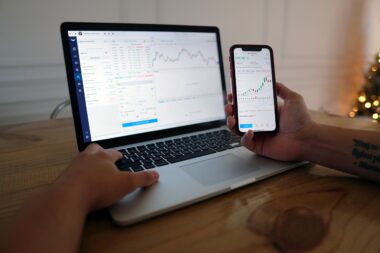

Using Alerts and Notifications Effectively on Trading Platforms
In today’s fast-paced financial markets, effective stock trading requires quick responses to market changes, which is where alerts and notifications play a crucial role. Most major trading platforms come equipped with robust alert systems, enabling traders to receive timely updates on price movements, volume changes, and relevant news. These features help traders stay informed and make necessary adjustments to their strategies. A well-set alert can notify traders of significant price changes, allowing them to enter or exit positions based on predetermined criteria. Additionally, notifications can provide updates on earnings reports and economic data releases or inform them of technical indicator developments like moving averages or RSI thresholds. The ability to customize alerts based on specific stocks, indexes, or commodities is vital, as it reduces information overload and enables focused trading. For novice traders, learning to set effective alerts can significantly enhance their trading experience and keep them engaged with their investment goals. Moreover, alerts can also help seasoned traders identify new opportunities or exit strategies swiftly without monitoring the market constantly.
Understanding how to utilize notifications effectively can also improve decision-making when trading. Traders often find themselves overwhelmed by the sheer volume of data available; therefore, a targeted alert system helps filter out noise. You can set alerts for price levels that you find intriguing, which means only receiving updates when your criteria are met. Furthermore, many high-quality trading platforms offer mobile applications making it possible to manage alerts on the go, giving traders the flexibility they need. Alerts can be delivered through various channels, including SMS, email, or in-app notifications. This flexibility ensures that users can choose their preferred method of receiving vital information without being tied to their desktops. Integrating market alerts with your general trading strategy can help create a more fluid approach to trading. By tailoring alerts to align with your risk tolerance and trading objectives, you increase the likelihood of successful engagement in financial markets. Explore the alert features of your chosen trading platform, leveraging them to amplify your trades effectively while refining your overall trading strategy.
Types of Alerts on Trading Platforms
Most trading platforms offer numerous types of alerts to cater to various trading needs. The most common type are price alerts, allowing investors to set specific price levels for buying or selling a stock. Price alerts can be set as immediate notifications, where traders are informed as soon as a specified price is reached, or as threshold alerts, reaching out once prices cross certain boundaries. Another useful alert type includes news alerts which inform users about significant news events regarding stocks on their watchlist. These notifications help traders react promptly to company earnings, merger news, or regulatory announcements affecting their investments. Moreover, technical alerts are also prevalent; traders can set specific indicators like moving averages, Bollinger Bands, or MACD levels. For options traders, volatility alerts indicate when the VIX level reaches critical points. Each of these alert types plays a specific role in the bigger picture of trading strategy, and a seamless integration of these alerts can elevate one’s trading prowess significantly. Choosing the right type of alerts depends on individual trading strategies and market experience.
Furthermore, a combination of multiple alerts can enhance trading effectiveness by providing a holistic view of the market. For instance, aligning price alerts with news alerts can enable traders to make informed decisions based not only on technical factors but also on fundamental news. That approach creates a multidimensional perspective that can lead to increased profits and minimized losses. While setting alerts, it’s essential to regularly review and update them according to changing market conditions and personal trading goals. Failing to adjust alerts may result in missed opportunities or unwanted notifications, impacting trading performance negatively. Many platforms now allow traders to set alerts for entire sectors, helping examine the broader market sentiment. Leveraging this feature provides insight into correlated stock movements, guiding traders in identifying potential trades. Moreover, utilizing social trading platforms can also add another layer for alerts and notifications. These platforms often allow users to copy successful trades from experienced traders, and alerts can notify followers when these traders take specific actions. Therefore, effectively managing alerts encourages a more proactive trading style and cultivates continuous learning opportunities.
Setting Up Effective Alerts
Setting up effective alerts requires a thought-out strategy to maximize trading efficiency. Start by identifying your trading style, whether day trading, swing trading, or long-term investing, which will influence how you set your notifications. For day traders, timely price alerts are essential, while swing traders might focus on trend changes over a more extended period. Moreover, defining criteria for each alert can optimize relevance to the specific trading style. Taking the time to understand different technical indicators and how they operate within your trading system is crucial. Knowing which indicators to implement will help you decide when to enter or exit a position effectively. Besides, consider setting alerts for additional market factors such as economic data releases or geopolitical events that may impact trading behavior. This increased awareness adds further layers of insight into your alerts, enhancing their effectiveness. Be mindful of setting too many alerts, as this may lead to overstimulation and confusion. Prioritize quality over quantity to focus on critical trading data that align with your objectives without creating unnecessary distractions.
Leveraging the technology provided by trading platforms can also enhance the effectiveness of your alert systems. Many platforms offer a straightforward user interface for custom alerts; taking time to familiarize oneself with these features can expedite the learning curve. Testing your alerts on a demo account allows you to gauge their effectiveness without the pressure of real money trading. This process not only builds confidence in using the alert systems but also allows traders to refine their strategies according to feedback from real-time testing. Furthermore, continuously monitoring the effectiveness of your alerts is vital to ensure they align with your trading objectives. Regularly reviewing alerts, as markets fluctuate or when personal strategies change, contributes to maintaining an effective trading strategy. Remember to curate a curated watchlist of stocks relevant to your trading goals; this way, alerts will be more impactful and targeted. In conclusion, effective alert systems within trading platforms are indispensable tools designed to amplify trading efforts, improve market engagement, and help investors achieve their financial goals.
Conclusion
In summary, utilizing alerts and notifications effectively in stock trading can greatly enhance a trader’s performance. The ability to receive timely updates, filtered by personal trading preferences, makes it easier to make swift decisions. By setting specific price levels, technical indicators, and market news alerts, traders can gain a comprehensive view of market movements. Working with customizable notifications tailored to individual strategies can streamline processes, allowing for a more concentrated focus on market opportunities. Properly implementing these alerts helps filter out unnecessary noise, thus promoting a more efficient trading environment. Investing time in understanding the wide array of alert types available can empower traders to take their trading capabilities to the next level. As an ongoing process, regularly revisiting alerts facilitates dynamic adaptation to market conditions, ensuring traders are always well-positioned. Ultimately, alerts are not just reactive tools; they are proactive strategies for consistent engagement within stock markets. Mastering the art of utilizing alerts and notifications effectively can enhance overall trading experiences, leading to better-informed decisions, increased profitability, and a deeper understanding of the market landscape. The application of this knowledge can redefine your trading journey.
Investing and think about your objectives enables targeted uses for alerts, subsequently mapping out your success in financial markets effectively.