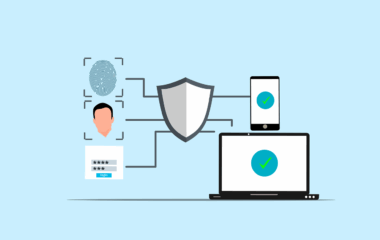

Vendor Management and Incident Response in Finance
In the fast-paced world of finance, vendor management plays a crucial role in ensuring data security. Managing relationships with third-party vendors can yield benefits, but it entails risks. Consequently, a comprehensive incident response plan is vital. This plan should include subprocesses for identifying and evaluating vendors. Each component should be rigorously tested to enforce compliance with regulatory guidelines. These guidelines often dictate standards for data protection, service levels, and performance. Such a proactive approach can significantly enhance an institution’s ability to manage financial data safety. For effective execution, financial organizations must conduct regular audits and assessments of their vendors’ security practices. Another critical aspect involves establishing clear channels for communication. This can help mitigate risks associated with data breaches or other incidents. Organizations should also educate staff about potential vulnerabilities involving vendor partnerships. This awareness fosters a culture of security. By incorporating these measures, firms can create a robust vendor management framework designed to support incident response. The effective deployment of such strategies not only safeguards financial data but also strengthens the entire ecosystem of data security in finance.
Incident response planning can be complex, particularly in the finance sector. It involves multiple layers of procedures and processes tailored to unique vulnerabilities. A structured approach is essential, as incidents often present unexpected and varied challenges. Financial institutions must ensure that incident response teams understand the criticality of acting swiftly. Time is essential when dealing with data breaches or other incidents, especially when sensitive information is at stake. One integral aspect is the identification of the stakeholders involved in incident response. These can include IT staff, compliance officers, and upper management. Communication among all parties is fundamental to a cohesive response strategy. Furthermore, financial organizations should conduct regular training and simulation exercises. These activities allow teams to practice responses, refine processes, and learn from past incidents. Incident scenarios should encompass various risks, whether they stem from cyberattacks or internal incidents. Such preparedness significantly reduces the impact of an actual incident, demonstrating organizational resilience. Ultimately, merging incident response planning with effective vendor management lays a strong foundation for data security in finance.
Establishing a strong vendor management policy is critical to effective incident response. A well-defined policy includes detailed requirements and specifications for potential vendors. It becomes crucial to evaluate these vendors before establishing partnerships. This evaluation can include reviewing their cybersecurity measures, past incidents, and compliance records. Conducting thorough due diligence allows financial firms to identify potential weaknesses in their supply chain. To mitigate risks, organizations should also consider contractual agreements that clearly outline incident response obligations. These agreements create expectations for vendors in the event of a data breach or cyber incident. Additionally, ongoing monitoring of vendors’ security practices is necessary. Regular assessments and audits ensure that they adhere to required standards. This ongoing vigilance enables organizations to respond proactively to emerging threats. Creating and maintaining a relentless focus on vendor security impacts overall business continuity. Additionally, firms should establish a clear reporting structure for incidents involving vendors. This structure ensures accountability and delineates responsibilities among all involved parties. A transparent approach fosters cooperation and makes incident response more effective.
Collaboration and Communication
Efficient communication and collaboration are essential elements of incident response planning. Financial institutions should establish guidelines that facilitate seamless interactions within and between teams. This ensures everyone understands their roles during an incident. Within the realm of vendor management, it’s equally crucial to foster strong relationships with third-party vendors. Establishing regular check-ins or meetings can greatly benefit communication efforts. Consideration of time zones and operational schedules is vital to ensure all parties can participate effectively. Communication channels must be defined clearly in advance. This can include using dedicated platforms for sharing updates during incidents. The effectiveness of a communication strategy can greatly influence how successful incident response efforts are. Moreover, organizations should address the scalability of their incident response plans. As firms grow or change vendors, these plans may need adjustments to stay relevant. Periodic reviews of the incident response plan are therefore advisable. This keeps the response strategies aligned with current practices. Additionally, maintaining detailed documentation throughout incidents contributes to improved future responses. This forms an actionable knowledge base for future training and preparedness efforts.
A critical component of managing vendor risk is ensuring compliance with standards and regulations. Financial institutions are often subject to stringent regulations regarding data security, particularly with third-party vendors. Compliance requires a thorough understanding of legal obligations and requirements pertinent to vendor relationships. Organizations must regularly assess and verify that their vendors meet these compliance standards. It involves scrutinizing their security measures and categories relevant to sensitive data handling. In addition, any changes in regulations should be communicated promptly to ensure vendors adapt accordingly. Regular training sessions comparing compliance with industry standards can also prove invaluable. Collaborating with legal advisors and compliance experts provides further insights into best practices. Blending these approaches strengthens the foundation of an institution’s vendor management policy immensely. Additionally, documenting compliance practices and fostering transparency encourages positive vendor relationships. The financial institutions demonstrate their commitment to ethical business conduct when they maintain rigorous compliance requirements. Such credibility can increase vendor reliability during best practices and incidents, fostering trust and cooperation in problem-solving scenarios.
Continuous Improvement and Adaptation
Given the ever-evolving nature of cyber threats, continuous improvement is vital. Financial institutions should continually evaluate their incident response strategies to adapt to new challenges. Regularly updating the incident response plan ensures firms remain prepared for emerging threats. This process should include reviewing lessons learned from past incidents, regardless of their success or failure. Incorporating this feedback loop encourages organizations to embrace a culture of learning and growth. Technologies and methodologies used within incident responses should also be evaluated. Adopting innovative technologies can provide an edge in preempting incidents before they escalate. Incorporating threat intelligence tools into daily operations can significantly enhance the decision-making process during incidents. Furthermore, organizations should consider participation in industry collaboratives and information-sharing initiatives. These partnerships help institutions share insights and strategies for coping with incidents. Such collaboration promotes a proactive approach to dealing with data security challenges. When institutions adapt their strategies, they foster resilience across their operations. Ultimately, organizations that prioritize continuous improvement increase their chances of effectively mitigating potential risks.
The integration of technology in vendor management and incident response is pivotal. Modern organizations can leverage advanced technologies to build robust systems for monitoring vendor activities. Automated solutions enable institutions to track compliance and security requirements in real-time. Additionally, these technologies often provide alerts for irregularities in vendor security practices. An integrated platform for incident management can also streamline data collection and communication during crises. It ensures teams respond promptly and efficiently to incidents. Utilizing tools like incident response management software enhances collaboration between stakeholders. These technologies allow for a structured approach to incident management, reducing response times. Furthermore, organizations must remain vigilant with regular software updates to mitigate potential vulnerabilities. Ensuring security patches are timely integrated into systems protects against emerging threats. It’s essential for financial institutions to invest in training staff on utilizing these technologies effectively. Worker familiarity will enhance overall operational effectiveness. Ultimately, adopting technology as a focal point for vendor management promotes a secure environment. Overall, technology plays a transformative role in shaping the future of incident response and data security in finance.
In today’s financial landscape, keeping abreast of vendor relationships can enhance overall data security. Organizations should treat these relationships as an ongoing assessment rather than a one-time checklist. Employing management tools that facilitate workflow while maintaining compliance is essential. Such tools can help monitor contracts and service-level agreements with ongoing evaluations. In doing so, any gaps can be promptly identified, allowing management personnel to act. Moreover, regularly scheduled meetings between stakeholders assure continuous alignment on security best practices. Engaging in these recurring conversations helps to foster a culture of transparency. The more stakeholders share vulnerabilities and insights, the stronger the security initiative becomes. Sharing information enables financial organizations to conduct comprehensive risk assessments that include vendor-related threats. In doing so, every affiliated party shares the strengths and weaknesses of their cybersecurity landscapes. Importantly, these relationships should evolve to meet new challenges, ensuring they align with both organizational goals and market standards. Financial services that continually adapt their vendor management models can reinforce their incident response plans. Remaining agile within the realm of vendor management ultimately contributes to a more resilient financial sector.