
Credit Score Thresholds for Personal Loan Eligibility
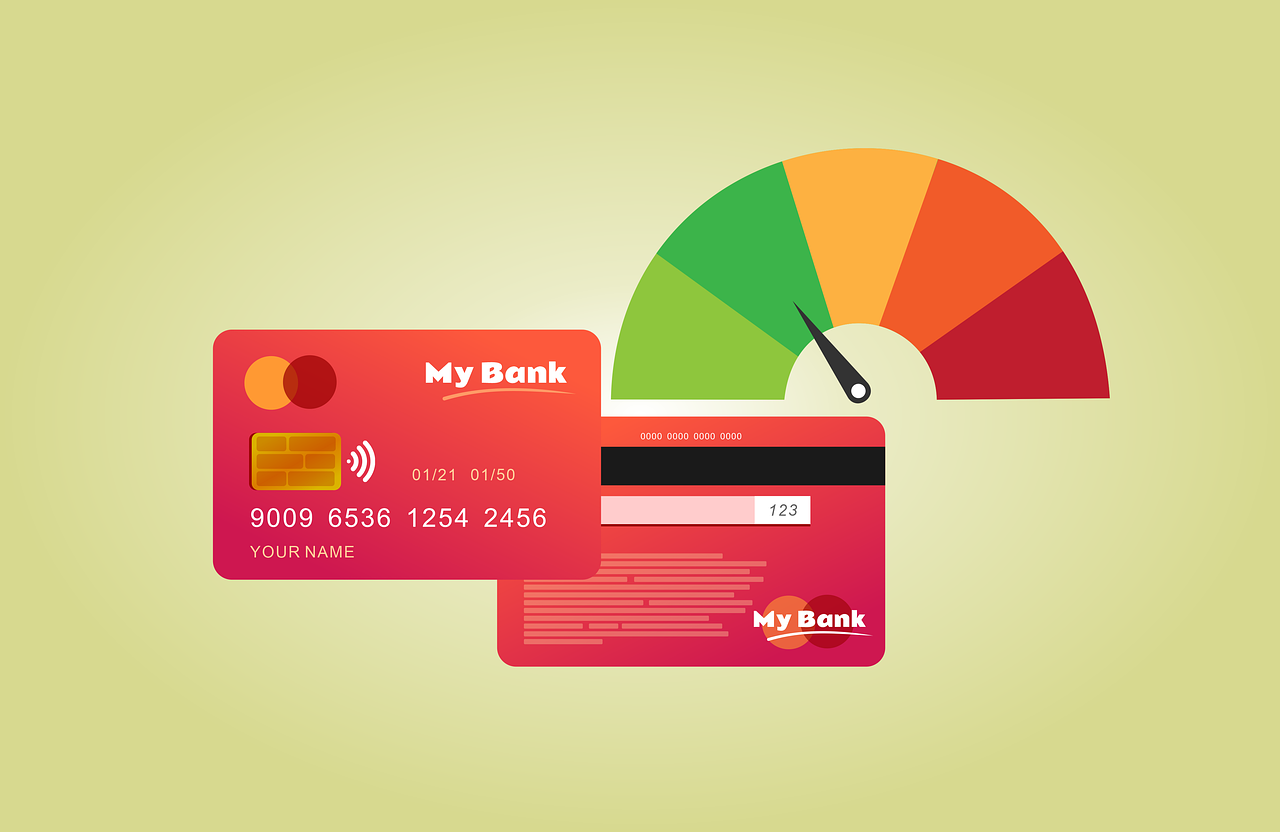
Understanding credit score thresholds is crucial when considering personal loans. Lenders typically use credit scores as a primary factor to assess borrower eligibility. Credit scores range from 300 to 850, with higher scores reflecting better creditworthiness. Generally, a score of 700 or above is viewed favorably by lenders. This range positions borrowers to receive favorable loan terms and lower interest rates. Conversely, scores below 600 may result in higher interest rates or even rejection. Factors that influence scores include payment history, credit utilization, length of credit history, and types of credit. A history of missed payments can significantly lower a score. Similarly, high credit utilization negatively impacts your available credit. Therefore, maintaining a balanced credit usage, ideally below 30%, is essential for achieving a good score. Personal loan lenders often look for a stable income and a low debt-to-income ratio alongside credit scores. This means your monthly debt payments should not exceed a reasonable portion of your income. Borrowers should regularly check their credit reports for errors that could hinder their scores and ultimately their chances of getting a loan.
Another key component is the type of personal loan you seek. Unsecured loans generally require higher credit scores compared to secured loans. Secured loans involve collateral, making them less risky for lenders. For unsecured loans, scores below 640 may face limited options and higher rates. Lenders may also consider work history and current financial obligations to draw a complete picture of creditworthiness. Understanding where your credit score falls in relation to your goals is essential. Moreover, improving your score prior to applying can open up more favorable lending options. Strategies for boosting your credit include making timely payments and reducing debt. Taking advantage of credit-building tools, such as secured credit cards, can also play a role in enhancing your score. It is advisable to avoid significant financial changes before applying for loans. New credit inquiries can temporarily lower scores, which could lead to unfavorable terms. Another crucial step is engaging in responsible credit behavior over time. Establishing a solid repayment history can enhance trust with lenders and improve chances for future loans. Remember that every lender operates differently, so doing research is vital for finding suitable options based on your credit score.
Impact of Credit Score on Loan Terms
The correlation between credit scores and loan terms cannot be understated. A higher score usually translates to lower interest rates, which directly affects the total cost of borrowing. For example, a difference of even a few percentage points in interest rates can significantly increase or decrease your monthly payments. Additionally, individuals with excellent credit scores may qualify for larger loan amounts or longer repayment terms, offering flexibility in financial management. On the other hand, lower scores may entail higher fees and stricter repayment schedules. As such, it is vital to assess these aspects before committing to a loan. Most importantly, it is commendable to shop around and compare offers. Different lenders have varying criteria regarding credit score thresholds for approval. Some might specialize in lending to those with poor credit, charging higher interest for the increased risk they assume. It is beneficial to consult with multiple financial institutions to grasp how they will evaluate your financial profile. Some may even allow co-signers to improve eligibility chances. A co-signer can provide additional assurance to lenders, increasing the likelihood of better terms.
Improving Your Credit Score Before Applying
In preparation for seeking personal loans, improving your credit score is a proactive step. Start by reviewing your credit report for inaccuracies. Disputing these can positively impact your score. Furthermore, strategic debt repayment can exhibit responsible financial behavior. Focus on paying down existing debts to decrease your credit utilization ratio, which should ideally be below 30%. Timeliness in payments is another crucial factor—setting reminders can help ensure bills are paid on time. Engaging in regular credit monitoring helps keep track of your score, enabling timely action if issues arise. Employing tools like credit builder loans can also assist in establishing a positive repayment record. For those with less established credit, consider becoming an authorized user on a responsible person’s account. This can provide a boost without adding significant risk. Building your credit score takes time, so patience is necessary. Consider financial advice if you’re uncertain which strategies to pursue. Notably, financial literacy can empower you to make informed decisions when it comes to personal loans. Always remember that sound credit management is an ongoing process.
It is vital to understand that different lenders employ various thresholds for credit score approval. Lenders may classify scores into tiers such as Excellent, Good, Fair, and Poor. Excellent scores (700 and above) often find the best loan offers, while Fair scores (580-669) may be met with limited options. Poor scores typically fall below 580, which can severely limit borrowing potential and result in significantly higher borrowing costs due to elevated interest rates. Hence, understanding where your score stands relative to these categories will assist you immensely in financial planning and personal loan decisions. Furthermore, it is advantageous to become familiar with each lender’s specific criteria, as some may weigh factors differently. Your overall financial stability is usually reviewed alongside your credit score. Various factors like job stability and income adequacy are considered. If you’re uncertain which route to pursue or need direction in improving your credit score, consulting a professional may prove useful. Financial advisers are equipped to provide tailored strategies to strengthen your credit profile before seeking loans. They can help devise a holistic approach to enhancing both your credit score and overall financial well-being.
Long-Term Strategies for Healthy Credit
Perfecting credit management requires long-term commitment. Establishing a budget that allocates funds for debts and necessities sets the foundation for financial health. Unforeseen expenses can arise, and having an emergency fund enhances your financial security. Strive to maintain low credit card balances, which directly influences your credit utilization ratio. Regularly assess your credit report for new accounts or inquiries, ensuring accuracy and recognizing potential fraud. It’s equally essential to approach credit responsibly and not accumulate unnecessary debt. Using loans and credit cards, when essential, while maintaining management discipline reflects positively on your credit report. After achieving good standing, take time to celebrate accomplishments without jeopardizing them. Always remember that a consistent pattern of positive payments leads to a healthier credit profile over time. Additionally, keeping older credit accounts open maintains the length of credit history, positively impacting your score. Seeking annual credit education reinforces smart decision-making in today’s dynamic economic environment. Employing these practices will contribute to creating a solid financial future, ensuring you are well-prepared for major purchases, including homes or vehicles, leveraging optimal loan terms fueled by healthy credit.
In conclusion, credit scores play an essential role in determining personal loan eligibility and terms. Awareness of these thresholds enables you to approach borrowing with informed expectations. Strategies to improve your score can empower borrowers to enhance their financial standing. Establishing a solid plan encompassing timely payments, reducing debt, and engaging in responsible credit practices will prepare you for favorable lending opportunities. Since each lender evaluates credit differently, thorough research equips you to make effective choices. Comparison shopping not only reveals better rates but allows you to secure the terms best suited to your comfort level. Importantly, if you find yourself struggling with credit, professional assistance is encouraged. Advisors can guide you in rebuilding your score through targeted efforts. Having a supportive strategy helps you navigate any challenges facing your credit journey. Ultimately, fostering a healthy credit profile leads to immense financial opportunities in the future. Regularly monitoring your credit is crucial, ensuring you remain in control of your financial landscape. As you strive for excellence in managing your score, remember that improvement is an ongoing journey that ultimately secures your financial envisioned goals.