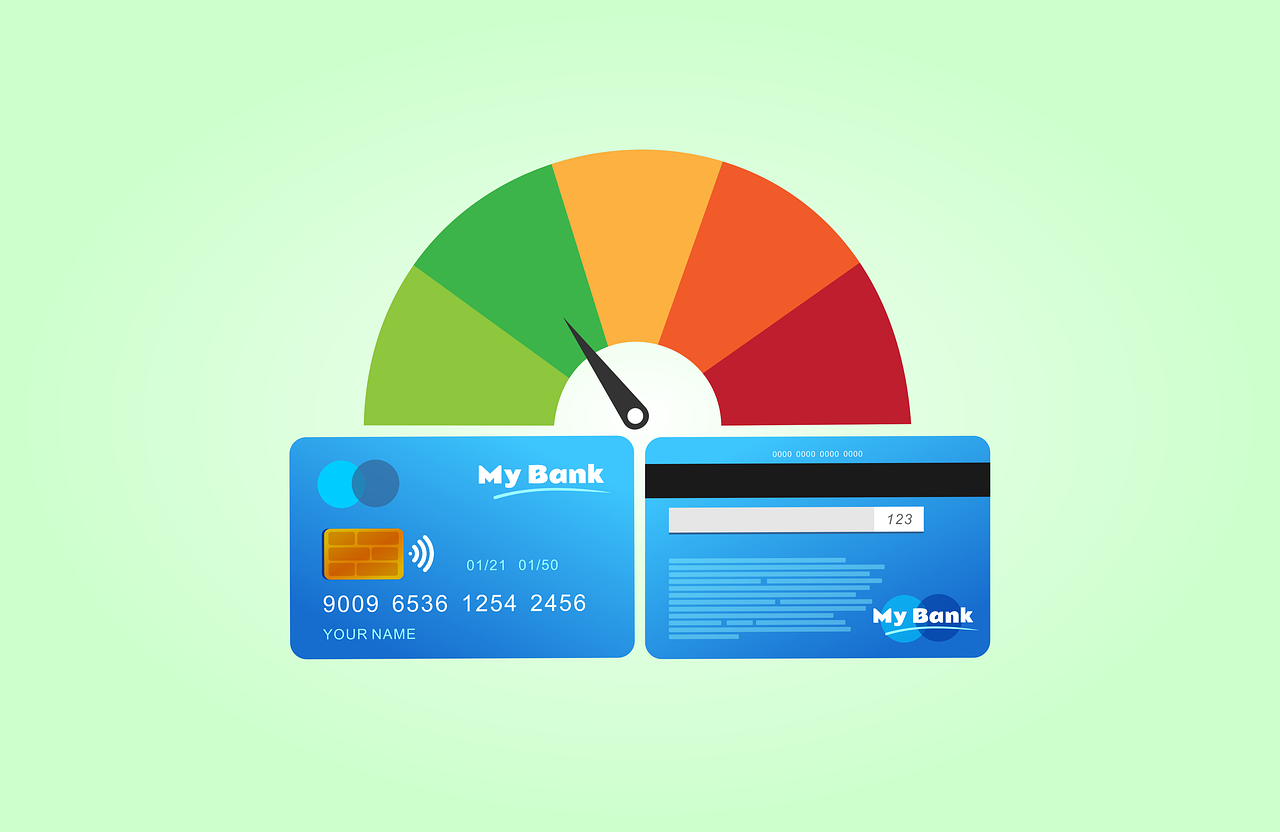

Credit Scoring in the Digital Age: Opportunities and Risks
In today’s fast-paced digital environment, credit scoring has transformed remarkably. Traditionally, credit assessments relied heavily on manual processes and static data. Now, with the aid of technology, financial institutions can integrate big data analytics and machine learning into their systems. This shift allows them to gather and analyze diverse data sources, such as social media activity and online purchase history. Consequently, lenders not only assess a borrower’s creditworthiness more accurately, but they also speed up decision-making processes. These improvements signify potential benefits for consumers, including quicker loan approvals and better personalized financial products. However, this technological advancement also raises essential questions regarding privacy and data security. Consumers must trust that their personal information is not just collected, but safeguarded against misuse. To succeed in the digital realm, credit scoring models must balance innovation with ethical considerations. The ongoing evolution of technology emphasizes the importance of maintaining transparency, ensuring data protection, and fostering consumer awareness. Future innovations in credit scoring must address these issues holistically, creating a sustainable framework that encourages trust in digital credit evaluation.
Emerging Trends in Credit Scoring
As we witness a continuous evolution in credit scoring methodologies, several emerging trends are reshaping the landscape. One significant trend is the integration of alternative data sources into traditional scoring models. Rather than relying solely on historical credit reports, lenders are beginning to consider additional indicators of financial behavior. This trend acknowledges the rise of financially responsible consumers who may lack a conventional credit history. Moreover, the incorporation of artificial intelligence (AI) plays a crucial role in refining risk assessment for lenders. By using advanced algorithms, financial institutions can identify patterns that human analysts might overlook. Another noteworthy trend is the democratization of credit access. With mobile technology making financial services more accessible, previously underserved populations can secure loans and credit. This shift has the potential to reduce socio-economic disparities. Nonetheless, challenges remain. Regulators need to navigate the complexities of these alternative data sources. They must ensure these developments do not inadvertently lead to discrimination or biased outcomes. Going forward, blending innovation with ethical guidelines will be crucial in fostering a fair credit environment.
Moreover, the implementation of open banking initiatives directly influences credit scoring practices. Open banking allows consumers to share their financial data securely with third-party providers, resulting in a broader spectrum of information for lenders. Consequently, this initiative has the potential to enhance the accuracy of credit assessments while promoting competition among financial institutions. By giving consumers more control over their data, open banking empowers individuals to make informed decisions regarding their financial lives. However, the open banking framework comes with inherent challenges, including data privacy concerns and the need for robust cybersecurity measures. Financial institutions must prioritize transparency, ensuring that consumers understand how their data will be used. This initiative must also address the implications of data governance, as mishandling sensitive information could harm consumer trust. As the open banking era progresses, traditional lenders will need to adapt their credit scoring models to remain relevant. This adaptation may involve collaboration with tech firms to harness innovative approaches. Ultimately, striking a balance between leveraging data and protecting privacy will be critical in shaping the future of credit scoring within an open banking ecosystem.
The Role of Technology in Credit Scoring
In addition, technology continues to revolutionize credit scoring, bridging gaps that previously existed in the traditional systems. The advent of machine learning algorithms, for example, allows dynamic, real-time analysis of creditworthiness. Unlike fixed scoring methods, machine learning can refine and adjust assessments instantaneously based on newly gathered data. Consequently, lenders can adapt their strategies quickly to emerging economic trends or consumer behavior changes. This real-time adaptability not only benefits lenders but also offers consumers better terms and conditions on loans. Additionally, fintech companies have rapidly emerged, leveraging advanced technologies to facilitate alternative credit solutions. These companies often use innovative scoring methods, providing a unique perspective on borrower assessment. However, while technology brings numerous advantages, it also poses potential risks. Automation can lead to a lack of human oversight, which may result in unintentional bias or errors in decision-making. Therefore, maintaining a hybrid approach that combines technology with human insight becomes essential. Balancing efficiency and ethical considerations is vital for a fairer credit scoring future that addresses both lender needs and consumer protection.
Furthermore, privacy concerns are paramount as credit scoring shifts into digital platforms. The vast quantities of data being collected, ranging from transaction histories to social media interactions, can pose significant risks if not properly managed. Consumers may feel uneasy about sharing sensitive information, leading to reluctance in engaging with digital credit services. Financial institutions must address these concerns head-on by establishing comprehensive data protection policies. They should transparently communicate how data sharing contributes to more tailored offerings, enhancing customer experiences. Additionally, implementing robust cybersecurity measures is essential to fortify consumer trust. Regular updates and audits of security protocols demonstrate a commitment to safeguarding user information. Educating consumers about their data rights and options builds a sense of empowerment. As credit scoring continues to evolve, creating a framework where consumers feel secure in sharing data will become crucial. The financial sector’s reputation hinges on responsible data handling practices. By prioritizing privacy alongside innovation, lending organizations can navigate the complexities of digital credit scoring with greater confidence and integrity.
Conclusion: Navigating Challenges Ahead
In conclusion, the digital age presents both opportunities and challenges for credit scoring frameworks. While technology enhances efficiency, the imperative to address ethical and privacy concerns cannot be overstated. As alternative data becomes standard in assessing creditworthiness, stakeholders must work collaboratively to eliminate biases and create inclusive metrics. This strategic collaboration can take various forms, including dialogues among regulators, financial institutions, and consumer advocacy groups. Ensuring that technology serves to empower individuals rather than restrict access is essential. Furthermore, educational initiatives should accompany advancements in credit scoring technology. Financial literacy programs can help consumers understand their scores and how to improve them effectively. As the landscape continues to evolve, embracing proactive strategies will help mitigate risks, ensuring equitable access to credit for all. Companies willing to lead in ethical data practices and transparent communication will likely cultivate greater consumer trust, benefiting their long-term growth and sustainability. By prioritizing innovation balanced with responsibility, we can forge a future where credit scoring reflects a more equitable financial ecosystem that serves everyone.
Lastly, the integration of feedback loops into credit scoring models can significantly enhance the ongoing improvement of these systems. By soliciting input from consumers regarding their experiences, institutions can refine their approaches, addressing pain points faced by borrowers. This consumer-centric method fosters trust and cooperation, leading to more accurate scoring outcomes. Additionally, considering societal shifts is vital when adapting credit models to remain relevant. Economic changes, technological advancements, and cultural attitudes towards credit can influence payment behaviors and expectations. Therefore, dynamic adaptability is key for lenders to stay competitive within the credit landscape. Engaging with borrowers not only supports the development of more tailored financial products but also can uncover previously unexplored consumer segments. Recognizing these varied perspectives allows financial institutions to foster innovation while addressing the needs of diverse populations. Credit scoring in the digital age is, indeed, a balancing act between leveraging cutting-edge technology and maintaining a human touch. The journey towards developing transparent, fair, and effective credit scoring practices is essential for creating a sustainable financial future for all.