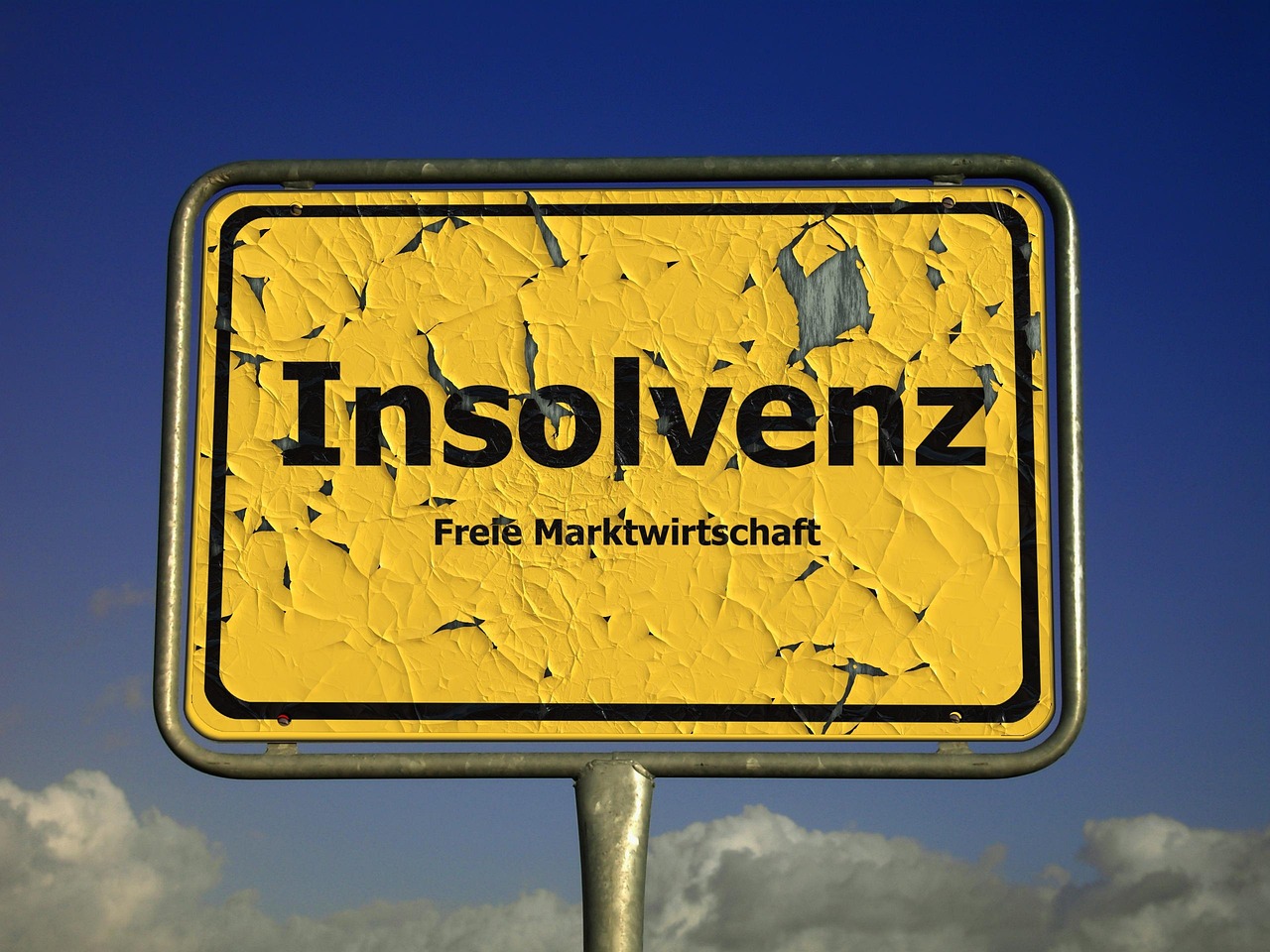

The Impact of Economic Downturns on Bankruptcy Rates
Economic downturns often serve as predictors for rising bankruptcy rates across various sectors. As economies contract, consumers and businesses alike face tightening financial conditions. This can lead to increased insolvencies, resulting in a significant number of bankruptcies each year. Various studies have documented this correlation, providing a framework for understanding how downturns influence financial decision-making. One common observation is that during recessions, job losses spark a domino effect that impacts consumer spending. Reduced income means families cut essentials, making it difficult to meet financial obligations. In the same vein, companies see decreased demand leading to revenue drops, resulting in an inability to pay debts timely. This perfect storm underscores the vulnerability of individuals and businesses in challenging economic times. Having access to accurate statistics concerning bankruptcy trends can inform policy decisions and support systems during downturns. Various organizations compile these statistics, offering insights into bankruptcies by region, sector, and demographic. By analyzing trends, lawmakers can develop strategies designed to mitigate these effects, possibly leading to more resilient economic recoveries that protect both individuals and businesses from severe financial distress.
Understanding the driving factors behind these statistics is crucial. Economic challenges often expose users to various risks that exacerbate their financial situations. These risks include high unemployment rates, shrinking consumer spending, and tightening credit conditions that make borrowing more difficult. The combination of these elements creates a challenging landscape for sustaining business operations as well as personal financial obligations. Research also indicates that specific industry sectors may be more susceptible to these downturns than others. Sectors that are heavily reliant on consumer spending or luxury goods often face sharper declines. The data shows that retail and hospitality industries frequently experience significant upsurges in bankruptcy filings during recessions. Additionally, housing markets may suffer in downturns, intensifying the risk of personal bankruptcies tied to mortgage defaults. Analyzing how different sectors react to economic challenges provides necessary insights for business strategies and government initiatives. Stakeholders can develop targeted interventions to promote stability and recovery in these vulnerable sectors. Regular assessments of bankruptcy trends can enable policymakers to design better safety nets to support communities hit by economic shocks.
Regional Variations in Bankruptcy Rates
Bankruptcy trends are not uniform, as they vary significantly across different regions. Certain areas may experience heightened bankruptcy rates due to local economic conditions, industry concentration, or demographic factors. Regions that rely heavily on industries susceptible to economic fluctuations tend to exhibit higher bankruptcy filings. For example, areas with major manufacturing centers may suffer more acutely during downturns affecting consumer demand. Population density also influences regional bankruptcy rates, with urban areas seeing different challenges than rural counterparts. Larger populations might experience more significant fluctuations in job availability and housing market stability. Additionally, local and state legislation related to bankruptcy can impact filing rates significantly. Some states offer more debtor-friendly laws that may encourage individuals seeking relief through bankruptcy. Consequently, understanding these regional discrepancies helps businesses and policymakers tailor strategies to address local concerns effectively. Data from local courts and financial institutions can provide valuable insights into these trends and how they relate to broader economic indicators. Accurately interpreting regional variations in bankruptcy statistics can illuminate potential pathways to fostering economic resilience and stimulating growth in vulnerable areas.
The social cost of increased bankruptcy rates during economic downturns is considerable. Individuals and families face drastic changes in their financial situations, often leading to long-term consequences. Bankruptcies can affect credit scores, making it difficult for individuals to secure future loans or mortgages. The stigma surrounding bankruptcy can feel overwhelming, as many fear social repercussions in their communities. This social impact can be felt not only by those directly affected but also by the economy at large. When businesses file for bankruptcy, it affects employees, suppliers, and local governments relying on tax revenue. Consequently, these bankruptcies can trigger wider economic disruptions, leading to increased unemployment and decreased overall spending. Family dynamics also shift as financial stress mounts, impacting relationships and mental health. Research indicates that during financial crises, the likelihood of domestic issues and mental health challenges rises. Support systems become paramount in mitigating these adverse effects, necessitating initiatives that prioritize community well-being during tough economic times. Awareness campaigns, available resources, and emotional support programs can play an essential role in guiding individuals through the process of bankruptcy back to financial independence.
The Role of Government in Addressing Bankruptcy
Governments play a critical role in shaping laws and policies affecting bankruptcy rates during economic downturns. Proactive measures can be instrumental in cushioning the blow experienced by both affected businesses and individuals. Various fiscal policies, initiatives, and changes in bankruptcy laws can ease consequences during challenging economic times. For example, implementing temporary measures that facilitate easier bankruptcy filings or offering incentives for debt restructuring can promote stability. Many nations have also introduced programs aimed at helping struggling businesses avert bankruptcy through loans and grants. These efforts show the government’s willingness to support economic recovery while ensuring vulnerable sectors retain their stability. Understanding the potential impact of these measures on overall bankruptcy rates aids in making informed decisions about economic policy. Evaluating the effectiveness of historical interventions provides lessons for future responses to downturns. Collaboration among government bodies, businesses, and community organizations is necessary to develop comprehensive recovery strategies. By sharing insights and statistics, stakeholders can find innovative solutions to foster resilience in their economies, helping to mitigate the need for bankruptcies at all levels.
While bankruptcy is often viewed negatively, it can also serve as a conduit for recovery. For struggling businesses and individuals, filing for bankruptcy can provide much-needed relief and a chance to rebuild. A structured process allowing for debt restructuring offers opportunities to start anew. Through various forms of bankruptcy, individuals can eliminate certain debts while managing others, ultimately improving their financial standing. This relief can lead to increased consumer confidence and, in turn, spending that fuels economic recovery. When individuals and businesses can reinvest in their futures rather than being burdened by debt, the economy benefits. Education around bankruptcy options and financial literacy can encourage healthier financial practices, preventing future crises. Resources such as financial counseling and educational programs can help individuals understand their choices more effectively. Promoting awareness of the potential benefits of bankruptcy provides a different perspective on a complex issue. Emphasizing responsible financial behavior can prepare individuals for future downturns and reduce reliance on bankruptcy as a solution. By focusing on resilience, communities can support their members through hardships while fostering an environment that nurtures recovery.
Future Outlook: Bankruptcy Trends Post-Economic Downturns
In the wake of an economic downturn, it is essential to analyze how bankruptcy trends evolve over time. Historical data suggests that while bankruptcy rates typically surge during and just after economic crises, there tends to be a gradual decrease as recovery takes hold. Understanding the timeline of these shifts can inform projections for future downturns, aiding businesses and policymakers in preparedness. As economies stabilize, we often observe a rebound in employment opportunities, enabling individuals to regain their footing financially. Additionally, improvements in consumer confidence foster an environment rich in spending, aiding overall economic recovery. However, the path to recovery is often nuanced and contingent upon various factors, including government interventions, industry stability, and consumer behavior. Monitoring these variables will be key to predicting and potentially mitigating future rises in bankruptcy rates. Continuous research into patterns and effects of past downturns can assist in establishing robust guidelines for managing financial crises. By harnessing data and predictive models, stakeholders can become proactive in reducing the likelihood and severity of bankruptcies during economic uncertainties.
Incorporating technological advancements will also likely impact bankruptcy trends moving forward. Innovations in financial technology now offer more accessible options for individuals facing financial distress. Online resources can help consumers understand their options better, connecting them with legal advice and financial counseling services quickly. Furthermore, automation in data analytics can assist lawyers and financial advisors in offering tailored solutions for their clients. By leveraging data-driven insights, professionals can help individuals navigate complex financial landscapes more effectively. Additionally, implementing technology can streamline the bankruptcy process, making it more efficient and user-friendly. As societies become increasingly digitized, embracing these innovations will likely reshape how individuals and businesses interact with financial institutions. This, in turn, can foster a proactive approach to managing debts and preventing bankruptcy before it becomes necessary. Encouraging responsible financial planning through technology can promote a culture of financial stability. Thus, as we look to the future, understanding these dynamics will be critical to organizations, individuals, and policymakers in addressing the complexities of bankruptcy in a rapidly changing economic environment.