
How Climate Change is Affecting Insurance Products and Pricing
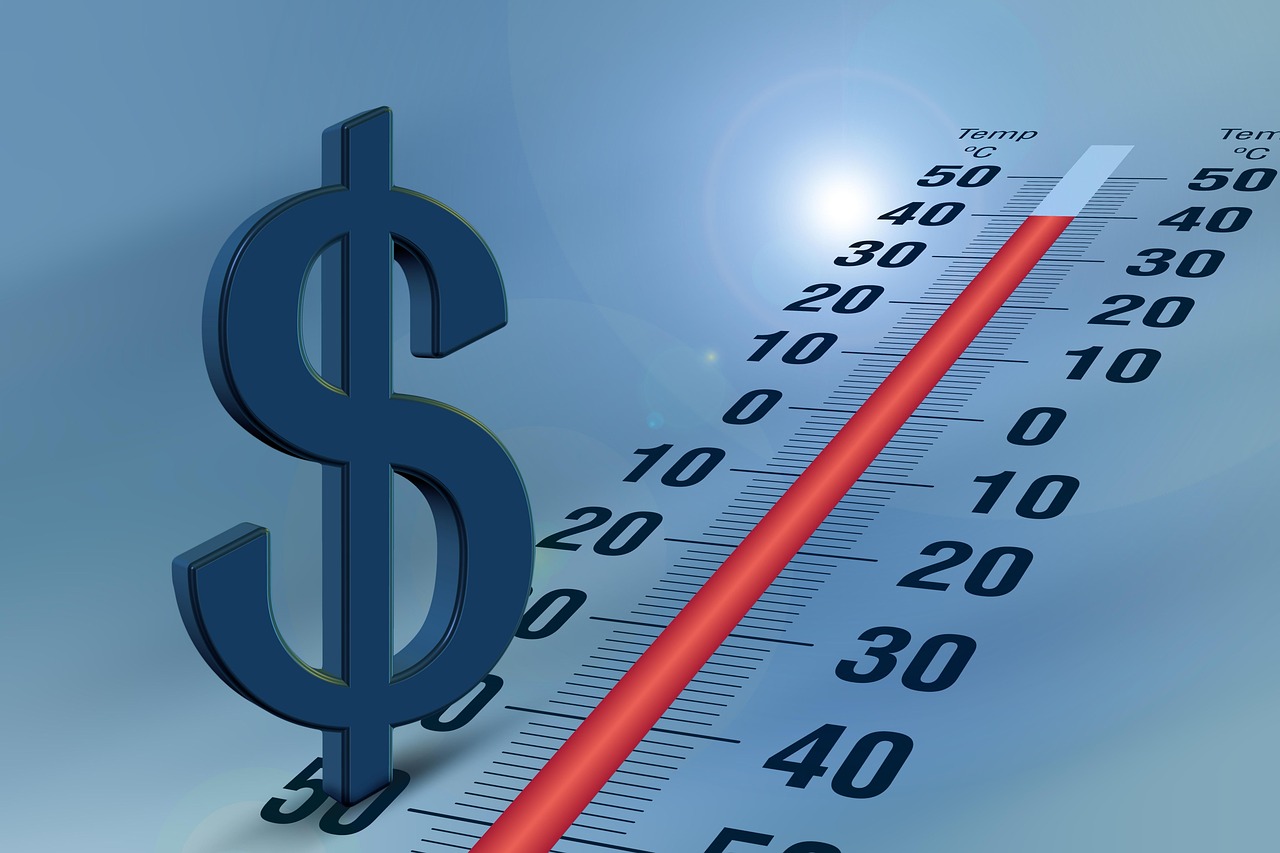
Climate change is dramatically shifting the landscape for insurance products, affecting both availability and pricing structures. Insurers now face increasing claims related to climate-induced disasters such as severe storms, floods, and wildfires. These rising risks threaten the stability of insurance models that have traditionally relied on historical data to predict losses. As a result, insurers must innovate to address these changes, incorporating new data and technologies into their underwriting processes. The integration of meteorological data helps improve risk assessments for policies. Additionally, factors such as geographic location and property vulnerability are under scrutiny. For policyholders, this leads to complex dynamics between costs and coverage. Many may find premiums rising as insurers adjust to the more unpredictable climate landscape. Some areas may see policies becoming either unavailable or significantly more expensive. Understanding these shifts is vital for consumers and businesses alike, as navigating insurance options is becoming increasingly intricate. Hence, adapting to climate change requires insurers to reevaluate product offerings and consider more sustainable models that could influence market strategies. Thereby laying the groundwork for long-term resilience against adverse weather conditions.
When it comes to natural disasters, the claims process is significantly impacted by climate change. Insurers are feeling the pressure to settle claims swiftly while managing the increasing volume of incidents. This often leads to long-term adjustments in how insurance claims are processed and evaluated. Insurers are investing in technology to streamline claims management systems, focusing on efficiency and transparency. Utilizing artificial intelligence, companies can quickly assess damage through remote sensing technologies. This automation can speed up claims resolution and minimize human error. However, the growing demand for rapid processing may impact the overall thoroughness of investigations. As more consumers expect immediate responses, there emerges a challenging balance between speed and accuracy. These challenges are leading to greater scrutiny of existing coverage terms as companies become more vigilant about the exclusions that can limit payouts. Subsequently, policyholders may need to review their policies with greater diligence, ensuring that they comprehend the risks involved. Policies that include coverages for specific climate-related incidents are increasingly sought after. The adaptation of insurance products must align effectively with consumer needs in the backdrop of a changing climate.
Underwriting Changes With Climate Considerations
Underwriting has evolved in response to the consequences of climate change, prompting insurers to become more selective about the risks they underwrite. The traditional underwriting approach, primarily reliant on historical data, is now challenged by the unpredictability of climate-related events. Insurers are utilizing advanced analytics to assess risks associated with properties more accurately, factoring in climate projections and natural disaster patterns. This proactive approach is crucial as it allows companies to identify emerging trends in risk associated with geographic areas. As a result, higher-risk areas may find less favorable insurance terms or complete exclusions from coverage. This shift also has implications for property values, which can decline in undesirable risk zones. Property buyers and owners are encouraged to understand the landscape thoroughly, factoring in insurance availability when purchasing real estate. Consequently, an informed approach to home-buying or business investments is essential. At the same time, climate resilience measures might attract better insurance terms. Hence, adapting properties to be less susceptible to climate impacts could potentially lower insurance costs and ensure better coverage options.
Climate change is not just impacting physical goods; it is also reshaping financial instruments used in the insurance sector. Insurers are seeking innovative products that offer financial protection against climate risks, thus leading to significant changes in policy offerings. For example, parametric insurance is gaining traction as it can deliver rapid payouts based on predefined trigger events such as major rainfall amounts or wind speed. This innovative structure provides immediate financial relief to policyholders facing weather-related disturbances. These financial instruments present a streamlined claims experience without contentious assessments. As the market adapts to these evolving needs, new product development becomes necessary, drawing from the lessons of recent climate-related events. Retailers might eliminate excessive red tape, thereby improving access to protections. However, for consumers, deciphering the benefits and limitations of new products is crucial. It is pertinent to note that while parametric insurance presents opportunities, it might not entirely replace traditional insurance covers. Buyers must weigh both options, considering factors such as risks, costs, and coverage comprehensiveness, ensuring informed decisions as climate risks escalate globally.
The Role of Government in Insurance Regulation
The role of governments in regulating insurance markets is gaining visibility amidst climate change challenges. Policymakers can catalyze reforms aimed at enhancing industry responses to climate risks. This includes creating regulatory frameworks that incentivize transparency around climate risks and the potential repercussions on insurance pricing. These frameworks may mandate disclosures of risk factors, compelling companies to reevaluate their practices under increasing scrutiny. Moreover, governments may introduce initiatives that promote resilient infrastructure investments, thus reducing long-term claims against insurance. Such systemic approaches promote sustainability and active risk management strategies among insurers, fostering market stability. Furthermore, by offering subsidies for policyholders making climate-resilient improvements, supportive measures encourage greater uptake of relevant insurance coverage. However, careful attention must be paid to the balance between market-driven solutions and regulatory intervention. The proper regulatory approach can support insurers in understanding and adapting to their evolving landscape of risks. Therefore, it emerges as vital for self-regulatory organizations to engage in more comprehensive dialogues with government bodies, fostering collaboration that strengthens the insurance industry’s resilience to climate-related upheaval.
The intersection of climate change and insurance market dynamics is evident, particularly as awareness grows among consumers regarding these ongoing shifts. Consumers are recognizing the importance of understanding how climate change can influence premiums and coverage availability. Educational programs, workshops, and outreach initiatives are becoming crucial to empower policyholders to make informed decisions. It is also important that insurers articulate clearly how external factors, such as changing weather patterns, impact insurance offerings. Increased transparency regarding pricing mechanisms can be essential in building trust between consumers and insurers. As clients become more educated, they are likely to demand improvements in policies that address climate-related concerns more specifically. Insurers, therefore, find themselves in a position where they must respond proactively to these emerging demands. Customization of policies to fit unique risks tailored to regional climates could become a competitive differentiator. The focus on sustainability is paramount not only for fulfilling corporate social responsibility but also for securing a market position that aligns with consumer values. Addressing climate change holistically is essential for the industry’s long-term future.
Conclusion: Navigating the Future of Insurance
Navigating the future of insurance products in a climate-affected world demands adaptability from both insurers and policyholders. Companies must embrace innovative solutions while rethinking existing products to align better with increasing environmental uncertainties. As claims evolve, more efficient processing methods will become necessary to maintain customer satisfaction and retention. While consumers are encouraged to stay informed, companies should actively engage in transparent communication of coverage options, terms, and exclusions. It is paramount that underwriting practices adapt swiftly to emerging data relating to climate projections, ensuring policies stay relevant and practical. By maintaining a proactive stance, insurers can build trust and credibility with clients who bear the brunt of changing weather patterns. Furthermore, sustainability measures taken by both insurers and consumers will generate a ripple effect in determining market trends. The collaborative effort in upholding eco-friendly practices will usher in innovative insurance products attuned to the unique challenges posed by climate change. In conclusion, the interplay between climate change and insurance is in constant flux, leading to challenges and opportunities alike, pushing boundaries toward a more resilient future.
Climate change is dramatically shifting the landscape for insurance products, affecting both availability and pricing structures. Insurers now face increasing claims related to climate-induced disasters such as severe storms, floods, and wildfires. These rising risks threaten the stability of insurance models that have traditionally relied on historical data to predict losses. As a result, insurers must innovate to address these changes, incorporating new data and technologies into their underwriting processes. The integration of meteorological data helps improve risk assessments for policies. Additionally, factors such as geographic location and property vulnerability are under scrutiny. For policyholders, this leads to complex dynamics between costs and coverage. Many may find premiums rising as insurers adjust to the more unpredictable climate landscape. Some areas may see policies becoming either unavailable or significantly more expensive. Understanding these shifts is vital for consumers and businesses alike, as navigating insurance options is becoming increasingly intricate. Hence, adapting to climate change requires insurers to reevaluate product offerings and consider more sustainable models that could influence market strategies. Thereby laying the groundwork for long-term resilience against adverse weather conditions.