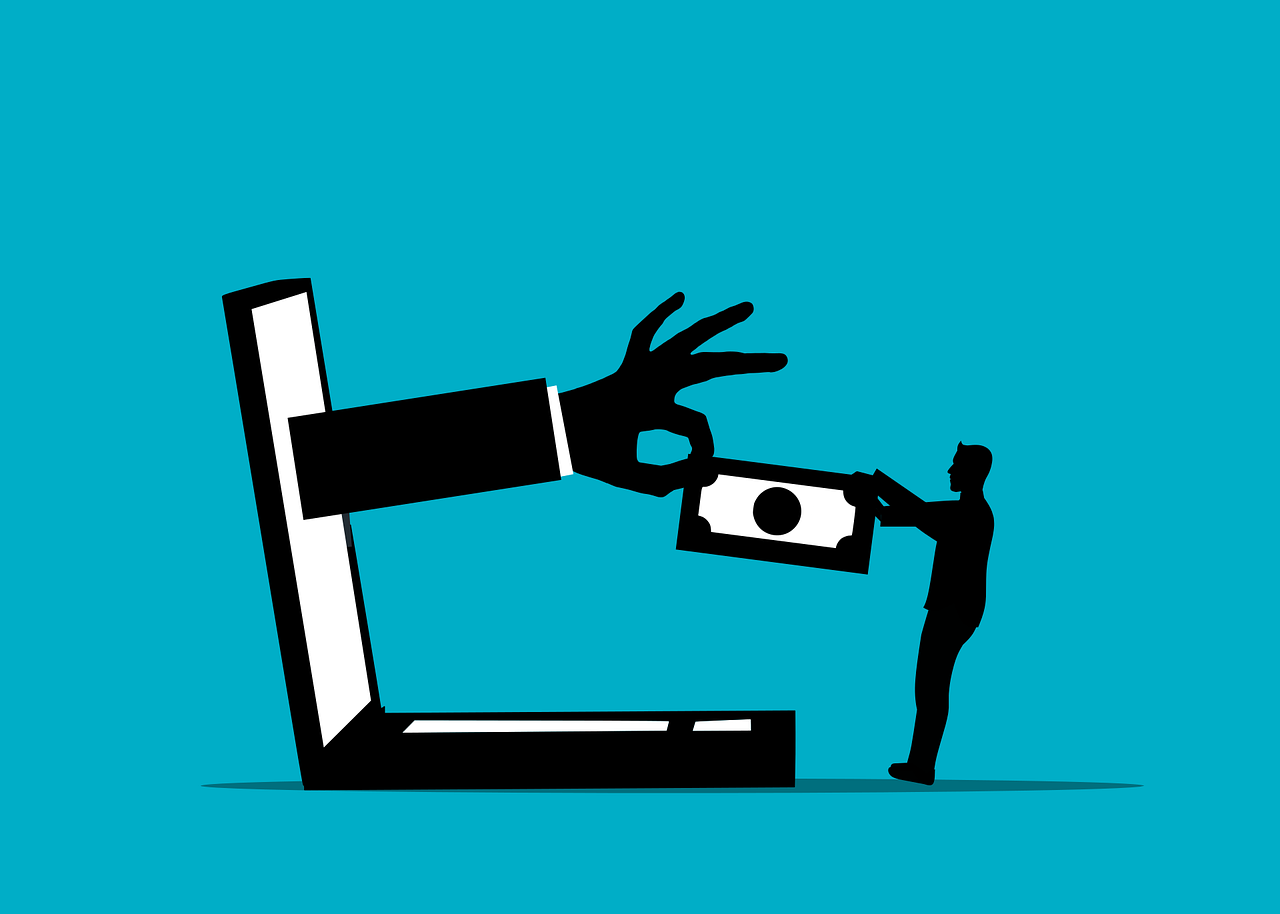

How to Recognize and Avoid Credit Card Scams and Phishing Attempts
Credit card scams and phishing attempts have become prevalent as technology advances. These scams can lead to significant financial losses and identity theft. One common tactic used by scammers involves sending emails or texts that appear legitimate, often mimicking well-known banks or companies. These messages usually urge recipients to click on a link that directs them to a fraudulent website where they are asked to input personal information. To avoid falling for these scams, it’s essential to remain vigilant and to verify the sender before taking any action. Check the email address closely; often, a small discrepancy can indicate a scam. If you receive a suspicious message, do not respond or click on any links. Instead, contact your bank directly using a verified phone number. Another important tip is to regularly monitor your credit card statements for any unauthorized charges. This practice can help you catch potential scams early and report them to your bank. Additionally, enable two-factor authentication when available for added security in your online banking activities.
Another prevalent phishing method involves phone calls from impersonators. These individuals may claim to be from your bank or credit card company and ask for sensitive information. They may employ tactics to create a sense of urgency to push you into complying quickly. Always remember that legitimate financial institutions will never ask for sensitive information over the phone. If you receive a call like this, hang up and call your bank directly using the number on the back of your credit card. Furthermore, protecting your personal information is crucial to prevent these scams. Be cautious about the information you share online. Ensure you have strong, unique passwords for all your financial accounts. Utilize password managers if necessary, and do not use easily guessed passwords. Avoid public Wi-Fi for financial transactions, as these networks can be insecure. Always look for “https://” at the beginning of a web address before entering personal information. Additionally, utilize antivirus and anti-malware software to help protect your devices against malicious software that may try to extract personal information.
Stay Informed About the Latest Scams
Staying informed about the latest scams is crucial for safeguarding your financial information. Scammers continuously evolve their methods, making it important to educate yourself about new tactics. Follow financial news outlets, consumer protection agencies, and cybersecurity websites for information on current scams. These resources often provide valuable insights that can help you recognize warning signs quickly. For instance, many scams may come with authentic-looking graphics and logos which can be deceiving. Always scrutinize any communication you receive, regardless of its appearance. Additionally, consider setting up alerts on your bank accounts to instantly know about any unrecognized transactions. Banks often have options to send notifications via email or text for transactions above a certain amount. This enables you to act quickly if an unauthorized charge appears on your account. Keep an eye out for any phishing emails in your spam folder as some scammers might infiltrate through that channel. If you spot suspicious emails claiming to be from reputable companies, report them immediately. Utilize the “report phishing” link available within most email providers to ensure these scams are flagged.
Moreover, utilizing credit monitoring services can provide you with an additional layer of defense against credit card scams and identity theft. Many credit monitoring services offer real-time alerts that notify you of suspicious activities related to your accounts. This proactive approach can help you take necessary actions sooner rather than later, minimizing potential losses. When you receive alerts about changes to your credit report or unusual accounts being opened in your name, act swiftly. Consult with your financial institution and consider placing a fraud alert on your credit report, making it more difficult for scammers to use your identity. Furthermore, understanding your rights in case of fraud is essential. Federal law allows consumers to report unauthorized transactions and contest charges on their credit cards. Be familiar with these rights and ensure you are exercising them if necessary. In case you are a victim of identity theft, it is critical to report it to the Federal Trade Commission (FTC) and file a police report. These actions create a paper trail and can significantly be helpful in recovering funds or assets lost due to fraudulent activities.
Use Advanced Security Features
Many credit card providers offer advanced security features designed to protect you against unauthorized use. For example, services such as virtual credit card numbers allow you to create a disposable card number for online transactions. This innovative feature minimizes exposure of your real credit card number during online purchases. Furthermore, keep your credit card information secure by utilizing apps or features provided by your bank for managing your finances. Many apps offer biometric logins, allowing you to access account information safely without needing to remember passwords. Always keep your devices up to date to ensure they have the latest security patches, as outdated software may leave you vulnerable to attacks. Additionally, consider using wallet apps that offer enhanced encryption, making it harder for cybercriminals to gain access to your information. If a transaction appears suspicious or unfamiliar, alert your bank immediately. It is better to err on the side of caution. Remember to shred bank statements and old credit cards instead of casually discarding them to further reduce the risk of falling victim to scams.
In your quest for financial knowledge, participate in workshops or online courses focusing on financial literacy to better understand the intricacies of personal finance and fraud prevention. Many institutions provide free or low-cost resources that can significantly empower you in your financial journey. Online platforms offer tutorials while local libraries sometimes host in-person sessions tailored for consumers. Taking the time to enhance your financial literacy equips you with the knowledge to deal effectively with credit card scams and phishing attempts. Engaging with knowledgeable professionals can offer unique insights into best practices for protecting your finances. Don’t hesitate to ask questions during these sessions, as they can elucidate complex issues related to credit scams. Consider networking with others who share your interests in financial education, as community support can also foster deeper understanding. This way, you will be more aware of common pitfalls and learn practical tips from fellow consumers. Always remember that being informed is your best weapon against credit card fraud. Consistently seek to expand your understanding of the evolving landscape of scams to stay one step ahead of potential threats.
Final Thoughts on Protecting Yourself
In conclusion, protecting yourself from credit card scams and phishing attempts requires vigilance, education, and proactive measures. By staying informed about the latest scams, utilizing advanced security features, and continually educating yourself about financial literacy, you’ll be better prepared to navigate the complex financial landscape. Keep a close eye on your bank statements and credit reports, scrutinizing even small transactions. This vigilance serves as a first line of defense against unauthorized use. Building a habit of regularly checking your account activity engages you further in your financial wellbeing and lowers the chance of fraud. Additionally, retake some of these guidelines regularly to refresh your knowledge and adapt to any new tactics employed by scammers. Encourage friends and family to join you in these initiatives as spreading awareness increases the overall community’s defenses against fraudsters. The more informed everyone in your circle is, the less likely you are to become a target. Stay committed to safeguarding your information, and remember that your financial security ultimately rests in your hands.
By implementing these strategies and staying proactive, you can reduce the risk of becoming a victim of credit card scams and phishing attempts. Prioritize your financial safety, and remember that knowledge is power. Sharing experiences and insights with others can also bolster community protection against fraud. The collective intelligence of an informed network offers significant deterrents to scammers, making it less appealing for them to target well-informed individuals. In every step, maintain a cautious and skeptical mindset toward unsolicited communications. Scammers typically hope that urgency and fear will push individuals into making hasty decisions. Always think critically and verify information before taking action. Alongside enhancing your technical safety measures, foster healthy financial habits by regularly reviewing and amending your financial strategy. Finally, don’t shy away from reporting suspicious activities or scams. By doing so, you contribute to a larger fight against financial fraud and assist others from becoming victims. Be consistent in these practices, and over time, you will establish a secure financial environment for yourself and potentially help educate others in your community.