
Sustainability-Linked Loans: Case Studies from the Energy Sector
Sustainability-linked loans (SLLs) represent an innovative financing option aimed at promoting sustainable practices, particularly in the energy sector. As businesses increasingly prioritize environmental sustainability, these loans serve as a financial incentive to incorporate eco-friendly practices. Traditionally, companies secure loans based on credit ratings, but SLLs link financial terms directly to sustainability metrics, encouraging borrowers to improve their environmental performance. Such metrics may include reductions in carbon emissions or enhancements in energy efficiency. By tying financial costs to sustainability outcomes, lenders encourage businesses to adopt green practices while still fulfilling their operational and financial objectives. As a result, the energy sector can leverage these loans to transition towards renewable energy sources and minimize their environmental impact effectively. Moreover, regulatory pressure from governments and organizations encourages firms to take actionable steps toward sustainability. The ultimate goal of SLLs is to create a win-win situation, providing advantages for both companies and the environment. With climate change concerns on the rise, the adoption of sustainability-linked loans is a crucial step for the energy sector in achieving long-term sustainability goals.
The concept of sustainability-linked loans is growing, especially in the energy sector, as companies increasingly seek ways to integrate sustainability into their financial practices. These loans incentivize businesses by offering better interest rates or terms when they commit to specific sustainability targets. For example, a company might agree to reduce its CO2 emissions by a certain percentage to qualify for lower interest rates. This approach effectively aligns financing strategies with corporate sustainability goals, leading to better resource use and productivity. Furthermore, the monitoring and assessment of sustainability performance make these financing models transparent and accountable. Investors are often willing to back projects with clear sustainability targets, which can result in stronger returns over time. Moreover, when organizations prioritize sustainability, they not only commit to environmental stewardship but also drive innovation within their sectors. By utilizing sustainability-linked loans, companies can tap into the growing market of green finance, enhancing their corporate social responsibility initiatives. This collaborative effort between lenders and businesses fosters a culture of sustainability while effectively addressing the urgent and pressing issue of climate change.
Successful Case Studies in the Energy Sector
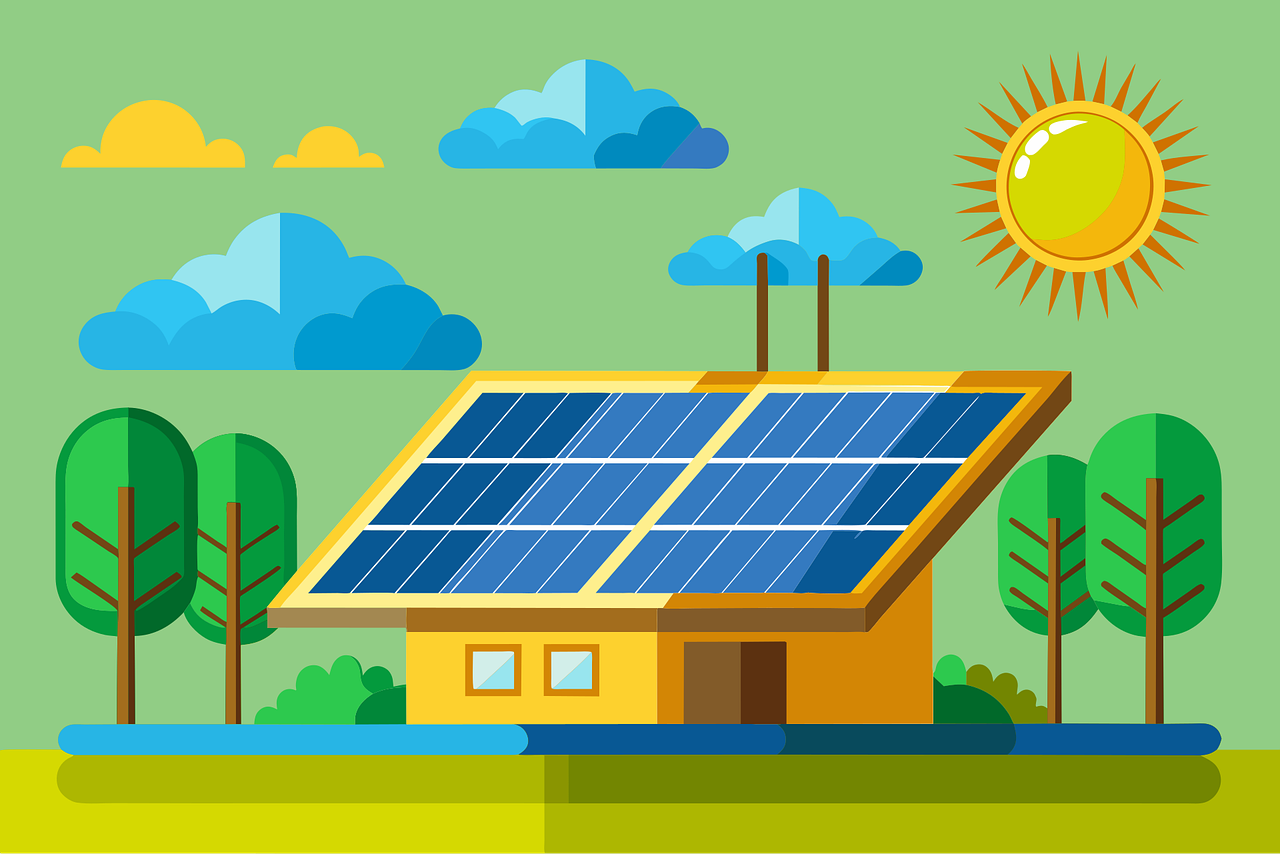
Examining successful case studies in the use of sustainability-linked loans provides valuable insights into their practical applications and benefits. One notable example is a renewable energy company that financed its solar installation project through an SLL. The company committed to achieving a significant reduction in energy consumption and greenhouse gas emissions. In achieving these targets, it successfully reduced its borrowing costs while simultaneously promoting environmental stewardship. As the loan terms were closely tied to verified outcomes, the organization maintained focus on continuous improvement. Another case involves a leading utility firm that utilized an SLL to fund improvements in its electrical infrastructure. The firm agreed to enhance its energy efficiency by integrating advanced technologies, resulting in substantial energy savings. This initiative not only transformed its operational capability but also allowed the company to secure lower interest rates on its long-term debt. Collectively, these case studies underline the effective use of sustainability-linked loans as tools for financing projects that benefit both businesses and the planet, paving the way for an energy transition that aligns operational goals with global sustainability standards.
In addition to the evidence from specific case studies, the broader implications of sustainability-linked loans are noteworthy. These financing mechanisms create a ripple effect as more companies adopt sustainability-focused initiatives. This trend leads to a collective reduction in carbon emissions from the energy sector, contributing to global climate goals. Furthermore, as consumer awareness grows regarding environmental issues, businesses that adopt these financing options enhance their reputations and market competitiveness. Additionally, sustainability-linked loans attract socially responsible investors who prefer partners actively addressing climate change through innovative means. This influx of ethical investment capital can empower businesses to undertake more ambitious projects, thereby amplifying their sustainability achievements. Furthermore, integrating sustainability metrics into financial assessments cultivates a culture of transparency and accountability, fostering stakeholder trust. As the energy sector continues to innovate, sustainability-linked loans will play an integral role in financing the transition towards renewable infrastructure. Ultimately, they represent a significant shift in the traditional financing landscape, merging financial success with environmental responsibility, which can be a driving force in combating climate change on a larger scale.
Challenges and Opportunities Ahead
Despite the promising potential of sustainability-linked loans, several challenges persist. The primary challenge is establishing robust metrics for measuring sustainability outcomes effectively. Generic metrics might not reflect the specific goals of different energy companies, leading to confusion and potential misalignment. To overcome this, industry standards and reporting frameworks need to be developed and adhered to by all involved stakeholders. Furthermore, ensuring transparency in reporting becomes essential for maintaining trust between companies and lenders. Another challenge lies in the perception of risk associated with sustainability-linked loans. Some lenders might hesitate to finance projects that deviate from traditional credit assessments due to perceived uncertainty around sustainability metrics. Overcoming existing biases will require a shift in mindset, focusing more on long-term environmental benefits rather than short-term financial returns. However, as more organizations successfully demonstrate the positive impact of these loans, the financial landscape may gradually change. The growing emphasis on climate-focused financing presents a unique opportunity for innovation in loan products, ultimately supporting a flourishing green economy that benefits both businesses and the environment.
Looking ahead, the future of sustainability-linked loans appears promising within the energy sector. As global efforts to reduce carbon footprints intensify, more financial institutions will likely embrace this innovative financing tool. The increasing complexity of environmental regulations will compel companies to adopt proactive measures, and sustainability-linked loans provide a structured approach to achieving these goals. Furthermore, the integration of advanced technologies such as blockchain can enhance the tracking and verification of sustainability metrics. This technological innovation can provide transparent records, reinforcing the credibility of sustainability-linked loans and fostering greater investor confidence. Additionally, as corporate social responsibility becomes a fundamental business principle, organizations that implement sustainability-linked loans will stand out as leaders in their industries. The potential for collaboration between corporations, governments, and financial institutions further illustrates the feasibility of achieving shared sustainability objectives. Overall, sustainability-linked loans represent not just a financial strategy but a fundamental shift towards an integrated approach to sustainability in the energy sector, aligning financial initiatives with tangible environmental impact in a changing world.
Conclusion and Future Implications
In conclusion, sustainability-linked loans are transforming the energy sector’s approach to financing by linking financial incentives with environmental performance. The implementation of these loans encourages businesses to adopt sustainable practices while reaping financial rewards. Case studies showcase how these loans facilitate significant advancements in reducing emissions and optimizing energy efficiency. As challenges persist in establishing uniform sustainability metrics and overcoming risk perceptions, opportunities also arise for innovation and leadership within the financial landscape. Moving forward, the alignment of environmental goals with corporate finance strategies will become increasingly vital. Collaborations across sectors will enhance the understanding and implementation of these financial tools, driving the energy sector toward robust sustainable solutions. Not only will this contribute to climate mitigation, but it will also create a roadmap for a sustainable business model that other sectors can replicate. Ultimately, sustainable finance will reshape global markets, address climate concerns, and support the world in achieving a sustainable future. The commitment to sustainability within the finance domain is not just a trend—it represents a fundamental and necessary evolution of how we approach the intersection of finance and the environment.
The rise of sustainability-linked loans exemplifies the need for finance to adapt to a changing world where environmental sustainability is a priority. As the financial community embraces these loans, they lay the groundwork for a more sustainable economy and showcase the critical role finance plays in the quest for climate resiliency.