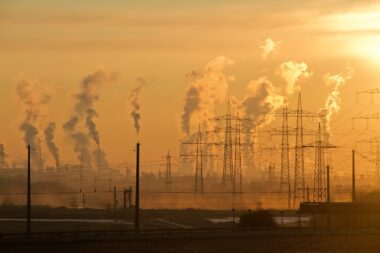

The Relationship Between Economic Growth and Environmental Degradation
The interaction between economic growth and environmental degradation is complex and multifaceted. As economies expand and develop, they often demand increased resource extraction, leading to significant environmental impacts. For instance, industrial activities generate pollution, deforestation, and biodiversity loss. These effects can undermine the ecological balance and result in severe long-term consequences. On the other hand, economic growth has the potential to fund technological advancements that improve environmental sustainability. Investing in green technologies can promote renewable energy and boost energy efficiency while also creating new job opportunities. Balancing growth with environmental responsibility is essential for sustainable development. Policymakers must be aware of the trade-offs involved and strive for solutions that minimize environmental harm while still supporting economic progress. Thus, understanding the relationship requires thorough analysis of consumption patterns, production processes, and ecological limits. Countries that prioritize sustainability can serve as models, showcasing successful practices that harmonize growth and environmental integrity. These experiences offer invaluable lessons in navigating the intertwined nature of economic aspirations and ecological health.
As nations grow economically, certain indicators reveal a marked rise in environmental degradation. Traditional economic models often fail to account for external costs associated with such growth. The price of resources may not reflect their true value when negative externalities necessitate remediation efforts. For example, polluted air and water sources necessitate expensive clean-ups and can harm public health. Consequently, policymakers are pressured to adjust their approaches by internalizing environmental costs within economic assessments. Including these factors promotes sustainable resource use and helps combat climate change. Tools like emissions trading systems and carbon pricing can incentivize businesses to reduce their carbon footprints while simultaneously fueling economic growth. Economic theory also suggests that a shift towards service-based economies may reduce environmental impacts compared to traditional manufacturing. However, the transition must be purposeful, ensuring equity and fostering innovation. Importantly, the involvement of businesses and communities contributes to widespread adoption of eco-friendly practices. Moreover, successful models across the globe demonstrate that cooperative efforts between the public and private sectors are crucial. Clear communication and accountability mechanisms enhance these partnerships, driving collective action towards a sustainable future.
Global Perspectives on Economic Growth
Globally, the relationship between economic growth and environmental degradation varies based on context and development stage. Emerging economies often experience heightened ecological challenges as they industrialize rapidly, placing immense stress on biodiversity and ecosystem services. Urbanization trends amplify this, leading to increased emissions and habitat destruction in pursuit of economic advancement. In contrast, developed nations typically implement more robust environmental regulations and cleaner technologies. This contrast offers valuable lessons on sustainable practices that can mitigate degradation while allowing for growth. The concept of the Environmental Kuznets Curve suggests that as income rises, environmental quality may initially decline but will improve at higher income levels through investment in sustainable technologies. Nevertheless, this theory does not apply universally, and exceptions exist, indicating the importance of tailored strategies rooted in a deep understanding of local contexts. Policymaking policies should leverage local knowledge while ensuring that growth goals do not compromise environmental integrity. Striking this balance encourages shared prosperity across generations and safeguards natural resources vital for future economic stability.
International agreements play a pivotal role in addressing the delicate balance between economic growth and environmental sustainability. Treaties like the Paris Agreement aim to unite nations in combating climate change and its associated impacts. These agreements set collective targets for reducing emissions while allowing flexibility for individual countries. However, a crucial challenge remains: aligning national economic interests with global environmental goals. Countries may prioritize national growth over international commitments, leading to potential conflicts. Transparent reporting mechanisms and accountability measures are essential for ensuring compliance with these agreements. Moreover, fostering collaboration can enhance the effectiveness of these treaties, allowing for the sharing of technologies and best practices across borders. Developing nations, in particular, often require financial and technical support to meet sustainability objectives without hindering their growth trajectories. Therefore, richer countries must play an integral role by providing resources and expertise. Addressing poverty while promoting sustainable growth is paramount in this regard. Ultimately, the interconnectedness of the global economy mandates a cooperative approach to tackle environmental challenges and promote inclusive prosperity for all.
Consumer Behavior and Economic Development
Consumer behavior significantly influences the relationship between economic growth and environmental degradation. As disposable income rises, consumption patterns shift, often resulting in higher demand for goods and services, which can lead to increased resource depletion. This phenomenon necessitates a greater focus on sustainable consumption practices that encourage environmentally responsible choices among consumers. Eco-labeling, for example, empowers consumers to make informed choices that favor sustainability, urging businesses to innovate and adopt greener practices to meet customer demands. Additionally, awareness campaigns can educate consumers about the environmental implications of their purchases, promoting shifts towards eco-friendly products. Collaborative efforts between companies and consumers can foster a circular economy that reduces waste and extends resource life cycles. Behavioral economics suggests that understanding consumer motivations can drive more effective environmental policies by aligning individual incentives with collective goals. Thus, shaping consumer preferences towards sustainability can mitigate the negative impacts of economic growth. Companies that prioritize sustainable practices are likely to enhance their market position as more consumers demand environmentally friendly options. This win-win scenario illustrates that sustainable consumption drives economic resilience while preserving environmental integrity.
The role of technology in mediating the relationship between economic growth and environmental degradation cannot be understated. Innovations in clean technology have shown promising potential for reducing environmental harm while supporting economic expansion. Advancements in renewable energy, electric vehicles, and smart city infrastructure present opportunities for sustainable growth. Governments and corporations investing in research and development can stimulate job creation while minimizing ecological footprints. Furthermore, digital technologies offer tools for monitoring environmental impacts and fostering transparency in resource management. For instance, artificial intelligence and blockchain can enhance supply chain sustainability by allowing real-time tracking of resource use. The integration of these technologies necessitates a commitment to responsible development that prioritizes environmental outcomes. Education and training programs are likewise critical in equipping the workforce with the necessary skills to engage in green sectors. As industries transition towards sustainability, the labor market evolves, requiring adaptability. Ensuring a just transition whereby workers are supported is paramount to societal acceptance and success. Collaboration between sectors and stakeholders is vital for leveraging technological innovation, thus reshaping the economic landscape to harmoniously coalesce with the environment.
Policy Implications for Sustainable Development
In conclusion, policymakers face the crucial challenge of reconciling economic growth with environmental sustainability. Effective policies must be evidence-based, prioritizing both ecological and economic considerations. Integrating sustainability metrics into national development plans can guide resource allocation and investment strategies that bolster growth while protecting the environment. Ensuring that environmental regulations are well-designed and enforced is essential to deter practices that lead to degradation. Furthermore, incentivizing sustainable business practices and consumer behavior can create a cultural shift towards embracing environmental responsibility as a shared value. Partnerships among governments, NGOs, and the private sector are necessary to implement strategies that drive innovation and facilitate resource-sharing. Providing platforms for public engagement allows communities to voice their concerns, fostering accountability and transparency in decision-making. Global collaboration is likewise crucial in addressing transboundary environmental issues and promoting collective sustainability efforts. The interdependence of economies necessitates unified actions to combat climate change and resource depletion. By aligning economic aspirations with environmental stewardship, society can forge a path towards a resilient future that honors both development and ecological harmony.
With the lessons learned from previous experiences and the understanding of the complex interplay between growth and degradation, it is feasible to envision a future where economic systems prioritize sustainability to foster true prosperity. The implications of this paradigm shift extend beyond immediate environmental impacts, ensuring long-term economic viability. By embracing innovation and collaboration, societies can break free from the dichotomy of economic growth versus environmental health to pursue a more integrated approach. Future research must continue exploring sustainable pathways and effective policy frameworks to inform sound decision-making. The envisioned transformation will take concerted efforts from all stakeholders, including governments, businesses, and individuals, to cultivate a more sustainable interaction between economic growth and environmental stewardship. Education remains a cornerstone of building awareness and fostering responsible habits amongst consumers and companies alike. Finally, by promoting technologies and practices that harmonize economic and environmental goals, society can redefine progress, leading to more equitable and robust futures. Together, we can achieve an economically vibrant world while safeguarding the natural heritage essential for generations. Thus, the ongoing exploration of this relationship remains critical as humanity navigates shifting paradigms towards sustainability.