
The Role of Emotional Intelligence in Reducing Bias During Evaluations
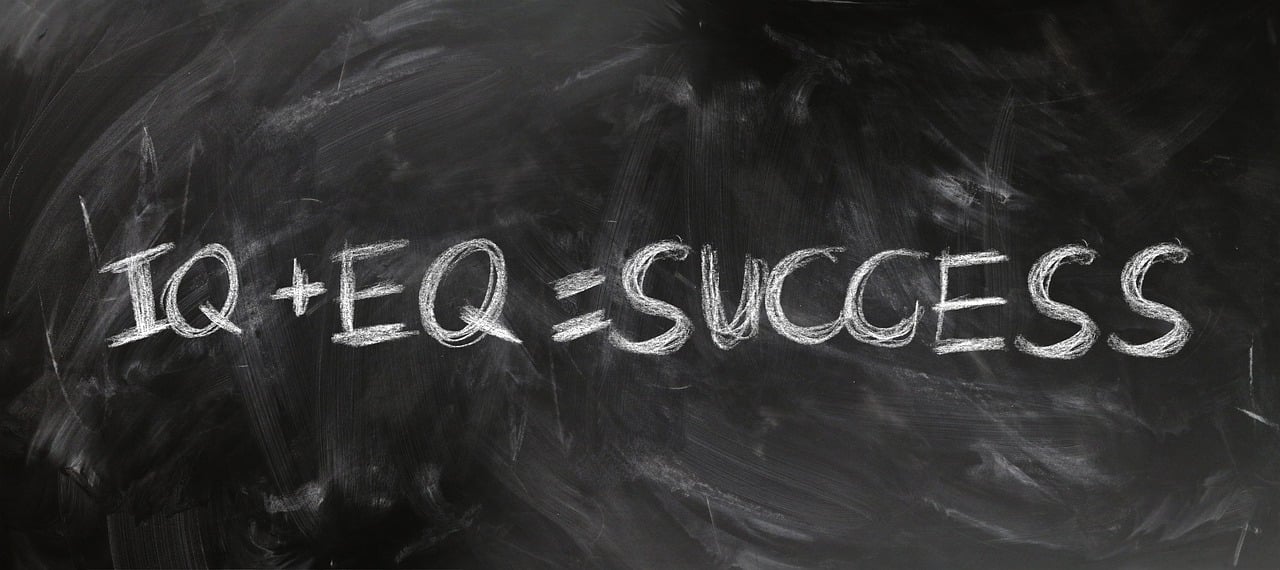
In today’s corporate environment, performance reviews are crucial, as they aim to assess and improve employees’ effectiveness. However, biases can often cloud judgment during these evaluations. Emotional intelligence (EI) is a critical factor that can mitigate these biases. By enhancing empathy and self-awareness, managers can make more objective assessments, reducing the likelihood of bias based on personal feelings or preconceived notions. Emphasizing EI training for evaluators can equip them with skills to recognize their own biases and understand the diverse perspectives of their team members. This is particularly significant as it fosters a fair evaluation process and enhances workplace morale. Bias in performance reviews can negatively impact employee motivation and retention. An organization that fosters emotional intelligence leads to constructive feedback and improved communication. Implementing EI principles in evaluations encourages inclusive practices, creating a culture of respect and understanding. Ultimately, this not only benefits individual employees but also drives team performance and overall productivity. Thus, organizations that invest in EI training are making a wise choice for their long-term success, paving the way for a more equitable workplace environment.
The importance of training evaluators to develop their emotional intelligence cannot be overstated. Emotional awareness sharpens one’s ability to recognize feelings in oneself and others. Evaluators who possess high EI can navigate challenging conversations with grace, minimizing emotional bias. Managers trained in EI are more attuned to individual circumstances, ensuring that they appreciate different backgrounds and experiences. This attentiveness fosters a more comprehensive understanding of employee contributions and potential. When evaluators utilize EI, they can actively listen to their employees, creating an environment where feedback is not one-sided but a constructive dialogue. Such an approach provides employees with valuable insights into their performance. It encourages growth, as employees feel heard and valued. Additionally, an emotionally intelligent workforce cultivates stronger interpersonal relationships and collaboration. The integration of EI into performance evaluations leads to transparent communication, allowing for clarity and reducing misunderstandings. Consequently, organizations that prioritize emotional intelligence in their review processes set a precedent for ongoing support and mentorship, enhancing employee development. This creates a positive feedback loop that benefits both the organization and its employees, ultimately leading to better performance and higher retention rates.
Furthermore, reducing bias through emotional intelligence enables a more diverse workplace culture. A diverse team brings with it a trove of perspectives that enhance creativity and innovation. When evaluators understand and appreciate these various viewpoints, they can give more accurate assessments that reflect true performance rather than unfounded biases. Emotional intelligence allows managers to connect with employees on a human level, appreciating their unique contributions. In turn, this connection enriches the performance review process beyond mere metrics. Employees from diverse backgrounds often face different challenges, and EI training helps evaluators recognize these challenges. Let’s look at the benefits of employing emotional intelligence in performance evaluations:
- Enhanced empathy: A greater appreciation of colleagues’ experiences.
- Improved communication: Clear articulation of feedback reduces misunderstandings.
- Fairer assessments: Evaluators can focus on performance rather than biases.
- Stronger team morale: Employees feel valued and respected.
By recognizing emotional intelligence’s pivotal role in evaluations, organizations can significantly mitigate bias.
Moreover, integrating emotional intelligence into performance reviews can significantly impact organizational culture. A culture emphasizing emotional intelligence encourages openness, growth, and positive reinforcement, aligning employee and organizational goals. When evaluators approach their reviews with emotional insight, employees tend to feel more engaged and motivated. A key factor in successful performance management is ongoing employee development, and emotional intelligence fosters an environment conducive to such growth. Organizations can create a framework for evaluations that prioritizes personal and professional development. This includes actionable feedback that goes beyond traditional performance metrics. Emotional intelligence helps facilitate discussions about areas for improvement and highlights individual strengths. Employees are more likely to engage in self-reflection when they receive constructive feedback. This proactive approach allows employees to take ownership of their growth, enhancing job satisfaction and performance. Additionally, organizations can develop training programs that embed emotional intelligence into their core values. Such initiatives can lead to improved team dynamics and overall organizational competitiveness. The long-term benefits of creating an emotionally intelligent workplace greatly outweigh the initial investment required to build these competencies among managers.
Measuring Emotional Intelligence in Performance Reviews
To effectively reduce bias in performance evaluations, organizations must also introduce measures to evaluate emotional intelligence itself. Standard psychological metrics can help gauge emotional awareness and interpersonal skills among managers. These can include tools like the EQ-i assessment, which provides insights into emotional intelligence capabilities. By incorporating these standardized measures, organizations can identify areas for improvement in their evaluators’ emotional skills. Training programs can then be tailored to address specific weaknesses, ensuring that evaluators are equipped to handle performance discussions effectively. These assessments allow organizations to track progress over time, making adjustments to training programs when necessary. Furthermore, incorporating feedback mechanisms post-evaluation can promote continuous improvement in emotional competencies. This practice fosters a growth mindset among evaluators, leading to a culture of frequent self-assessment and learning. As managers become more emotionally aware, they are likely to engage in gradual behavior changes that reduce bias. Ultimately, this proactive approach to measuring and improving emotional intelligence ensures that performance reviews become more holistic and equitable, thereby enhancing the overall fairness within the workplace.
In addition to formal training programs, fostering a culture of emotional intelligence requires ongoing support and reinforcement from top leadership. When leaders prioritize emotional intelligence in their communication and decision-making, they set an example for employees at all levels. This modeling creates a trickle-down effect, where employees emulate strong emotional intelligence in their interactions. Leaders can encourage informal mentoring relationships, allowing employees to learn from one another’s emotional insights. Workshops that focus on role-playing can provide opportunities to practice emotional intelligence skills. These collaborative environments promote peer learning and facilitate deeper connections among team members. Evaluators equipped with emotional intelligence skills can identify the nuances in performance and guide employees toward personal development effectively. Such mentorship nurtures a supportive atmosphere where individuals feel safe discussing their professional growth. Over time, organizations build a reservoir of emotional intelligence competencies that bolsters overall employee engagement. By officially recognizing EI efforts through awards or milestones, organizations can further motivate employees to strive toward excellence in emotional understanding.
Ultimately, the role of emotional intelligence in reducing bias during performance evaluations cannot be overstated. Organizations that embrace emotional intelligence as a foundational principle stand poised to create equitable workplaces and foster a culture of inclusivity. A commitment to emotional intelligence enhances employee connections and drives performance outcomes. While challenges remain in eliminating bias entirely, adopting an emotionally intelligent approach can significantly reduce its impact. By integrating empathy, self-awareness, and effective communication in performance management, organizations can redefine how evaluations are conducted. Employees will feel valued and understood, resulting in stronger workplace relationships. As organizations articulate emotional intelligence in their vision and mission statements, they reinforce its importance in daily operations. A strategic focus on developing EI is essential not only for destination clarity but also for navigating future workplace challenges. The journey toward minimizing bias through emotional intelligence fosters greater harmony within the workplace. Therefore, it is imperative for organizations to recognize and act on the value of emotional intelligence as a tool for inclusive performance evaluations.
By prioritizing emotional intelligence in performance reviews, organizations can establish a paradigm shift that enhances both employee fulfillment and organizational effectiveness. As the modern workforce evolves, emotional intelligence will become increasingly crucial in all aspects of performance management. The benefits realized through investing in EI extend far beyond mere evaluations; they help create resilient foundations for employee engagement, retention, and corporate success long-term. As companies navigate ever-changing landscapes, maintaining an emotionally aware workforce can empower organizations to adapt and thrive amidst challenges. Increased collaboration and reduced bias in evaluations will forge a path for innovative ideas and solutions. Organizations that harness emotional intelligence strategically will outpace their competitors by embracing these essential skills. As cultural diversity continues to rise in workplaces, emotional intelligence will serve as a unifying element, enhancing understanding and respect for differing viewpoints. By committing to this holistic approach in performance management, companies solidify a culture that appreciates human experience in decision-making processes. Ultimately, this conscientious approach to bias reduction through emotional intelligence yields substantial dividends, propelling organizations and their people to collective success.