
The Impact of Closed Credit Accounts on Your Credit Utilization
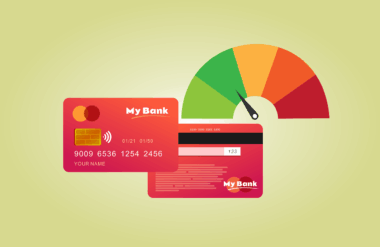
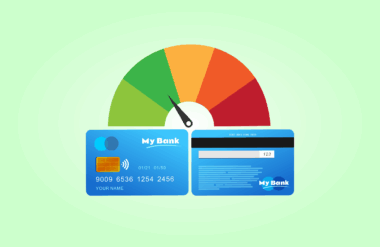
Your credit utilization ratio is a crucial factor in determining your credit score. It represents the amount of credit you are using compared to your total credit limit. When you close a credit account, your overall available credit decreases, which can substantially impact this ratio. For instance, if you have a credit limit of $10,000 and you’ve utilized $2,000, your utilization ratio stands at 20%. However, if you close an account with a $5,000 limit and keep the same amount owed, your utilization climbs to 33.3%. This sudden increase may significantly reduce your credit score over time if not managed properly. Credit scoring models, such as FICO and VantageScore, consider creditors’ perceptions about risk to be paramount, which is why maintaining a lower credit utilization is essential. Ideally, you want to keep this percentage below 30% for optimal scores. If you’re contemplating closing a credit account, consider its impact on storage and account age. Sometimes, keeping older yet lightly used accounts open can be advantageous for your score.
Your credit score consists of multiple components, and credit utilization is one of the most influential aspects. Keeping your utilization low is vital because it shows lenders your reliability in managing debt. A high credit utilization might signal that you’re over-relying on your credit, potentially making you appear risky as a borrower. When you close a credit account, it reduces your total available credit, inflating your utilization ratio. In fact, closing accounts can have a double negative effect: not only do you decrease your available credit, but if the account closed was one of your oldest accounts, you can also reduce your average account age. This factor accounts for another percentage of your credit score. Therefore, consider alternatives before deciding hastily to close accounts. Sometimes consolidating or finding a different payment strategy for an unused card can be more beneficial. Additionally, make sure to review your overall credit report before closing any accounts to identify other options that could help maintain a healthy credit score. Your long-term financial health hinges on your credit decisions.
Many individuals mistakenly think that closing a credit account will immediately benefit their credit score. In contrast, it can lead to the opposite outcome as it lowers your available credit limit and raises your credit utilization percentage. A higher utilization percentage can trigger alarms for lenders, affecting your ability to secure loans or other forms of credit in the future. Furthermore, if you’re aiming for significant purchases like a home or a car, these fluctuations can prevent you from getting the best interest rates available. Your credit score can follow you through many major life decisions, so it’s essential to keep it in good health. Before making the decision to close an account, you should weigh all of your options carefully. If your goal is to improve your credit score, look for other ways to manage your accounts effectively. For those who find themselves in a situation where they need to close accounts, monitoring other factors that influence your credit score can help mitigate the potential damage caused by a closed account. Options include paying down existing debt or utilizing less credit.
Options to Consider Before Closing Accounts
Understanding the collateral consequences of closing any credit account is essential. Consumers should make a list of all their existing accounts and their credit limits to visualize the potential effect better. By comparing your total limits versus your debts, you can project how closing one or multiple accounts might impact your credit utilization ratio. A wise approach is to minimize utilization without closing old accounts too. For example, if you’re not using a particular account, consider keeping it open while eliminating costly annual fees. Many credit card companies offer different options to keep accounts valid without incurring fees. If a fee is unavoidable, weigh the interest and consider whether the value of your card is worth the cost. Additionally, if you’re not making the most of your credit cards, consider reevaluating those options. It’s also wise to obtain a copy of your credit report before altering accounts so you can see where you stand. Monitoring regularly will allow you to gauge the effects of any changes you implement on your credit.
It’s crucial to note that closed accounts can remain on your credit report for several years, typically up to ten, affecting your score during that time. The presence of these closed accounts can complicate your financial prospects if they’re not handled properly. Understanding your report is vital to maintain clarity regarding how each account affects your overall score. Once an account is closed, those details can impact your average account age, which is important for long-term credit health. However, if payment history is positive, this can help balance out the negative impacts. If closing an account is necessary for financial management, always strive to pay off remaining balances before taking that step. Unpaid balances can be more damaging to your credit score than closing the account itself. Discuss your options with a financial advisor if you’re uncertain about the implications of closing an account. They’ll help you assess your entire financial picture and identify better paths forward. By being vigilant and informed, you can navigate these waters with confidence.
Credit education is key to making informed decisions about your financial future. Transitionally, financial habits learned early can apply to how you manage your credit and choices about account closures. Attend workshops or consult resources designed to improve your financial literacy. Understanding terms like credit utilization, credit limits, and the impact of account age can be a game-changer. Educating yourself provides not only a broader understanding of personal finance but also empowers you to make choices that support a healthy credit profile. You might also want to reach out to credit counseling services that can assist in developing strategies that prioritize your goals. Remember to stay proactive about your financial standing. By keeping track of your credit utilization and taking note of how account changes affect your credit report, you can maintain better scores over time. Understanding how to balance the number of accounts you have open and your active credit limits is vital. In a world where credit influences many aspects of everyday life, being well-informed puts you ahead of the game.
Maintaining Long-Term Financial Health
Ultimately, the goal is to maintain a healthy credit score while making financial decisions that serve your long-term interests. Before shutting down any accounts, weigh the benefits and pitfalls of your choices carefully. In some cases, it may be better to keep an account open intermittently, even if it remains unused. Think of it as insurance for your credit score. Regularly review your credit utilization alongside your payment history. Strive to balance these figures for optimal understanding of your credit health. Furthermore, enhance the positive impact on your credit standing by establishing good habits, like automatic payments to prevent accruing debts on closed accounts. If you find yourself ready to close multiple accounts, do so gradually to mitigate any negative scoring effects. Patience is vital when approaching the complex world of credit. The journey toward a comprehensive understanding of credit scoring will greatly benefit your financial future, allowing for credit access whenever you need it, without unforeseen hurdles. Education, monitoring, and appropriate actions will empower your credit management journey.
In conclusion, understanding the impact of closing credit accounts on credit utilization is critical for maintaining a good credit score, which is essential for financial stability. Higher utilization ratios stemming from closed accounts may adversely affect your credit profile, leading to potential difficulties in obtaining loans or credit in the future. Always consider the implications of closing accounts, including how it affects both utilization and the average account age. Educate yourself on best practices, consult with financial advisors if needed, and monitor your credit report consistently to safeguard against unexpected drops in your score. By taking proactive steps, focusing on maintaining low credit utilization, and ensuring timely payments, you’ll cultivate a solid foundation for your credit history. Remember, every financial decision you make has long-lasting effects, especially concerning your credit. The more you know, the better positioned you will be to navigate the complexities of credit management. By staying informed and strategic, you can work towards an advantageous credit status that opens doors for future financial opportunities.