
Understanding Debt Consolidation and Its Impact on Credit Scores
Debt consolidation is the process of combining multiple debts into a single loan with the aim of simplifying payments and potentially reducing interest. This method can be beneficial for those who are struggling with high-interest rates from credit cards or other loans. By consolidating, borrowers might secure a lower overall interest rate, which can make monthly payments more manageable. However, it’s important to understand how this process impacts your credit scores. When you consolidate debt, it often requires taking out a new loan, which can temporarily reduce your credit score due to the hard inquiry made by lenders. Moreover, paying off credit cards with the new loan reduces their balances, which can improve your credit utilization rate. In the long run, timely payments on the consolidated loan can positively affect your credit history. Therefore, while debt consolidation carries immediate impacts on credit scores, if managed well, it has the potential to enhance your financial status and creditworthiness over time. Adequate research and planning are essential before considering this option.
When you are in debt, your credit score can suffer due to high credit utilization ratios and missed payments. Debt consolidation may offer a strategic route to improving your credit health. By consolidating debts, you reduce the number of revolving accounts you have, which is favorable in the eyes of credit scoring models. Typically, lower credit utilization and a consistent payment history are key components that contribute positively to a credit score. It’s also crucial to choose a reputable consolidation company that understands your needs. Make sure to check their fees, interest rates, and the terms of the loan. For those who opt for a balance transfer credit card for consolidation, it’s essential to adhere to payment timelines to avoid astronomical rates after the initial period ends. Additionally, keeping the old accounts open can help maintain an optimal credit age, a significant factor in credit scores. To sum up, debt consolidation can be beneficial not only in simplifying payments but also in revamping your overall credit score when approached correctly. Always prioritize on-time payments to reap the credit repairing benefits.
The Pros and Cons of Debt Consolidation
While many people consider debt consolidation a viable solution, this approach has both advantages and disadvantages. On the positive side, debt consolidation can simplify repayment, as you only manage a single loan instead of multiple debts. It can lead to a lower monthly payment and reduced stress, particularly when juggling numerous due dates. Additionally, it often lowers interest rates compared to existing debts, potentially saving you money over time. However, there are cons to ponder as well. If you consolidate and then accrue more debt on credit cards, your financial situation can worsen. Furthermore, the effect on your credit score can fluctuate; missing payments on the new loan could further damage it. In some instances, merging all debts into a secured loan can elevate the risk of losing collateral if you default. Ultimately, understanding both sides of debt consolidation helps in making informed financial decisions. Weighing these pros and cons against your personal financial situation can guide you in choosing the right path towards better credit health.
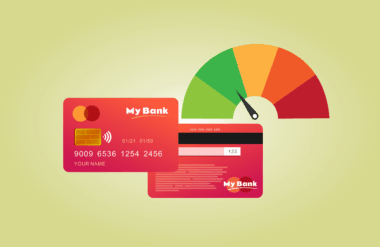
Credit utilization plays a critical role in determining your credit score. As a pivotal aspect of credit scoring models, it refers to the amount of credit being used compared to the total available credit. Experts generally recommend keeping utilization below 30%. When consolidating your debts, using a loan to pay off credit cards can substantially lower overall utilization. This often results in a higher credit score because lower utilization signals to creditors that you are not overly reliant on credit. However, it’s vital to not accumulate more debt while paying off previous obligations, as this could negate the benefits of consolidation. Many people mistakenly believe that simply consolidating their debts ensures their financial recovery, but responsible spending habits are just as important. Establishing a budget post-consolidation can assist in maintaining financial stability and preventing future debt. Monitoring your credit regularly after debt consolidation can also help you track progress and adjust financial behaviors when needed. Utilize tools that provide insights into payment history and overall credit utilization to stay on top of your financial health.
Long-Term Financial Habits After Consolidation
After successfully consolidating debt, developing long-term financial habits is vital to maintaining and improving your credit score. A primary step is creating and adhering to a budget that accommodates necessary living expenses while allowing for debt repayment. Making regular, on-time payments on the consolidated loan ensures you won’t fall behind, which is critical in preserving your credit score. Automating your payments is another effective strategy to guarantee consistency. Assess your spending habits and determine areas where you can cut back to allocate more funds toward debt repayment. In addition, consider building an emergency savings fund to avoid needing to rely on credit during unexpected financial challenges. This can prevent further debt accumulation and protect your improved credit situation. Furthermore, avoid the temptation to use newly available credit lines that come from paid-off accounts, as this can quickly lead to re-entering a cycle of debt. Lastly, investing in credit education can prepare you for informed financial choices moving forward, providing you with tools to manage your finances, ensure timely payments, and understand credit better.
Monitoring your credit reports regularly is a crucial aspect of managing your credit health, especially after debt consolidation. By doing so, you can address discrepancies promptly and understand your credit score dynamics. Each of the three major credit bureaus has different scoring models, and variations may impact what lenders see. Your credit report will reflect any new loans taken for consolidation, which may lower your initial score. However, positive consistent payment behavior can gradually boost your score over time. Utilizing free resources like annualcreditreport.com allows you to check your report annually from each bureau without any cost. It’s advisable to request a report every few months to stay on track. Additionally, implementing credit monitoring tools can provide insights into changes in your credit profile and score. Be sure to follow personalized advice based on your reports, as this can help you overcome barriers to achieving favorable credit. Furthermore, educate yourself about the factors impacting your score, making informed decisions about opening new credit accounts or taking on additional loans that align with your financial goals.
Conclusion and Next Steps
In conclusion, debt consolidation can provide a pathway toward financial recovery and potentially enhance your credit score if managed correctly. Understanding the implications for your credit health is essential. Ensure you consider all factors, including interest rates, terms, and fees, when opting for consolidation. Establish healthy financial habits such as timely payments and budgeting to sustain the benefits that come from consolidating your debts. Commit to continuous credit education and monitoring your financial landscape to remain informed about your score. As you navigate through your debt consolidation journey, remember to keep your long-term financial goals in focus. This comprehensive approach will help you successfully improve your financial standing and creditworthiness. Don’t hesitate to consult with a financial advisor for tailored advice and support through the process. Maintaining control over your finances can empower your future decisions, setting you on a path to success. Gradually, with patience and diligence, you will establish a more stable financial foundation and demonstrate to creditors that you are a responsible borrower.