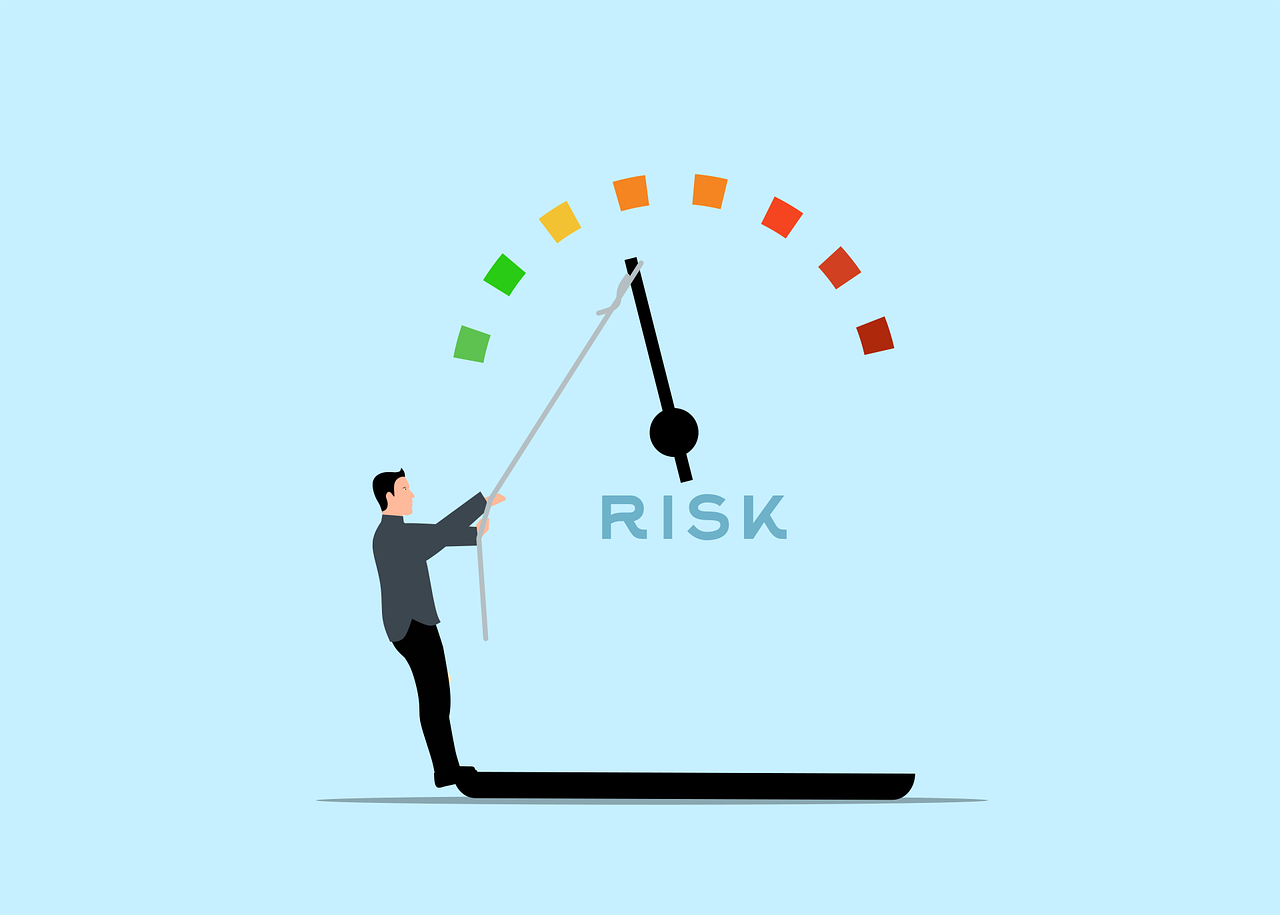

Understanding the Basics of Investment Risk Management
Investment risk management is crucial for anyone involved in financial markets. It involves identifying, assessing, and prioritizing risks, then applying resources to minimize, control, and monitor their impact. One essential aspect of investment risk management is the understanding of various risk types, such as market risk, credit risk, and liquidity risk. Market risk refers to the potential losses due to fluctuations in asset prices, while credit risk pertains to the failure of a counterparty to meet obligations. Liquidity risk highlights the inability to execute trades without significantly impacting the asset’s price. For successful investment risk management, having a structured framework is vital. This includes a risk management plan tailored specifically to individual or institutional investment strategies. Regular assessment and adaptation of this plan enable investors to respond effectively to changing market conditions. Risk tolerance assessments help to refine strategies, aligning them with an investor’s financial goals and capacity to endure losses. By creating a balanced portfolio and applying diversification principles, investors can mitigate individual asset risks and enhance their potential returns significantly.
Key Concepts in Investment Risk Management
Understanding investment risk management involves several key concepts that every investor should master. First, risk assessment is vital to identify potential pitfalls in investment decisions. This step helps in evaluating both qualitative and quantitative aspects of risk associated with various assets or securities. Asset allocation is another essential concept, where investors categorize their investments across different asset classes, such as stocks, bonds, and real estate. This diversification minimizes overall portfolio volatility, as different asset classes perform variably under various market conditions. Risk-adjusted returns measure performance relative to the risk incurred, helping investors determine the effectiveness of their investment strategies. Additionally, stress testing involves simulating extreme market conditions to assess how investments might behave in adverse scenarios. These concepts collectively aid investors in making informed decisions regarding their portfolios. Investors should also consider utilizing tools like financial derivatives to hedge against identified risks. Engaging with professionals or utilizing sophisticated software can significantly improve the effectiveness of risk management. Finally, continuous education on market dynamics and regulatory issues is crucial for effective long-term investment risk management.”},{
The Role of Diversification
Diversification plays a significant role in investment risk management, helping to balance risks across a portfolio effectively. By investing in a mix of different asset types, geographical locations, and sectors, investors can reduce dependency on any single investment. This strategy mitigates the impact of poor performance from any particular investment, as gains in one area typically compensate for losses in another. A well-diversified portfolio can provide smoother performance over time, leading to more stable returns. Investors can achieve diversification through mutual funds, ETFs, or by directly purchasing a variety of securities. It is important to note that while diversification can lower risk, it does not eliminate it entirely. Thus, investors must strike a balance between diversification and potential returns. Over-diversification can lead to diminishing returns, where asset combinations perform sufficiently well but don’t generate meaningful profit margins. Additionally, investors need to continually revisit their diversification strategy, reassessing asset correlations and investment performance regularly, especially in response to changing market conditions. Finally, understanding one’s risk tolerance remains crucial when creating a diversified portfolio to ensure alignment with individual or institutional financial goals.
Investment strategies should adapt to changing market conditions, requiring investors to remain vigilant and agile. Investors often analyze past performances and macroeconomic indicators to identify trends that influence risk exposure. Adopting dynamic strategies like tactical asset allocation facilitates adjustments based on market forecasts. This proactive approach enables investors to capitalize on emerging opportunities while minimizing unnecessary risks. Balancing risk and returns involves developing a comprehensive understanding of one’s investment horizon and objectives. Short-term investors may focus on quickly capitalizing on market movements, while long-term investors may have different risk parameters. Risk management frameworks guide these strategies, providing standardized metrics for assessing and adjusting risk levels consistently. Incorporating technology into risk management enhances decision-making efficiency. Risk management software can simulate various scenarios, helping investors visualize potential future states of their portfolios. Technological tools increase accessibility to advanced statistical analysis, making sophisticated strategies more feasible for individual investors. Engaging with financial advisors can further optimize investment approaches. Advisors often recommend tailored strategies and enhancements to risk management frameworks, ensuring investments align with an investor’s unique financial landscape and market realities.
Monitoring investment performance is an ongoing process that is vital for successful risk management. Investors must regularly review their portfolios to ensure alignment with their strategic goals. Performance metrics such as return on investment (ROI), volatility, and alpha help assess portfolio effectiveness against established benchmarks. Analyzing these metrics leads to informed decisions regarding asset allocations and adjustments. A critical component of monitoring includes comparing investments against market indices to identify underperforming assets. This comparative analysis is essential in deciding which investments to hold, sell, or replace. Regular portfolio reviews provide opportunities to rebalance assets in response to evolving market conditions. Emerging trends or economic shifts may necessitate a re-evaluation of original investment assumptions. Furthermore, consistent dialogue with financial advisors enhances portfolio oversight. Working with professionals helps investors stay well-informed about market dynamics and emerging risks that could impact their investments. Risk management reports and analytics are invaluable for tracking exposure levels and identifying areas for improvement. Balancing vigilance and strategic adjustments permits investors to navigate uncertainty with confidence, ultimately achieving their long-term financial objectives.
Lastly, education remains a cornerstone of effective investment risk management. Continuous learning ensures that investors keep abreast of the latest industry practices, market conditions, and regulatory changes impacting financial investments. Participating in seminars, courses, and workshops on risk management strategies can enhance an investor’s competence. Moreover, subscribing to financial journals or reputable blogs provides insights into contemporary market trends and investment philosophies. Engaging with online forums or investment communities fosters dialogue and sharing of experiences among investors. This collective knowledge can lead to enriched decision-making. Books authored by renowned financial experts offer strategic insights and frameworks that can be applied to individual investment contexts. The financial landscape is inherently fluid; therefore, being adaptable and informed is crucial for effective risk management. Networking with industry professionals offers opportunities to exchange ideas and strategies for managing risks effectively. Similarly, mentorship from experienced investors contributes to personal growth and development in the investment sphere. By committing to ongoing education, investors can navigate risk management challenges more adeptly and position themselves for sustained success in dynamic market environments.
To conclude, mastering investment risk management is essential for successful investing. It encompasses understanding various types of risks, applying appropriate strategies, and maintaining continual education and monitoring. Investors must develop their unique risk management frameworks that align with their specific goals and financial resources. Through diversification, monitoring performance, and active engagement with educational opportunities, they can navigate the complexities of financial markets. Adapting to market changes and continuously learning will empower investors to optimize their portfolios and enhance their overall success. Disciplined strategies, along with regular reassessments of risk exposure, are vital for remaining competitive. Informed decision-making supported by quantitative and qualitative analysis enhances the potential for desirable returns. By staying informed about trends and adjusting their strategies, investors can achieve stable, long-term performance. Continuous engagement with financial professionals brings added benefits through customized strategies and market insight. Ultimately, the culmination of these practices will build a robust investment portfolio capable of weathering market volatility and aligning with long-term financial objectives. The world of investment risk management continues to evolve, demanding investors to be adaptable and responsive in their approach.”}]} } ,{