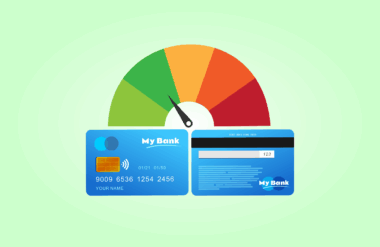

The Pros and Cons of Rapid Credit Score Recovery Services
Rapid credit score recovery services offer swift solutions to individuals facing credit challenges. These services can help raise a person’s credit score rapidly, allowing for quicker access to loans, credit cards, and mortgages. Many consumers who are denied loans due to poor credit will turn to these services to mitigate their financial woes. However, potential clients should exercise caution when seeking help. Not all service providers operate ethically; therefore, conducting thorough research is essential. A reputable agency can provide valuable guidance through the complexities of credit repair. Engaging these services can improve one’s standings in the eyes of lenders, which might lead to better interest rates. Anyone in dire need of credit recovery should consider the pros and cons of these services. Moreover, it’s crucial to be informed of the associated costs, as prices can vary considerably. Understanding these aspects will help one make a more informed decision about whether to proceed with rapid recovery options. Are the costs worth it, or can one achieve similar results independently?
One significant advantage of rapid credit score recovery services is the speed at which they can enhance scores. Immediate effects can be a game changer for clients facing urgent financial situations. Potential borrowers may find that the prospective lenders appreciate the rapid turnaround in their credit history. This can ease financial stress swiftly, enabling consumers to secure necessary funding without prolonged waiting periods. Moreover, these services typically have expertise that average consumers lack. Hence, having trained professionals examining and repairing your credit can yield more precise results. Rapid recovery services can also identify and dispute inaccuracies effectively, which might hinder a person’s credit score. However, while these benefits are attractive, consumers must remain vigilant. High costs and the risk of unscrupulous companies can undermine what should be a straightforward process. Therefore, choose wisely by evaluating reviews and seeking referrals. Always check if the organization’s claims are backed by credible customer testimonials or third-party assessments. Verifying credentials can further assure clients of their legitimacy in a market rife with scams.
Understanding Risks in Credit Repair Services
Despite the appeal of rapid recovery services, numerous risks accompany these solutions. Clients may face significant costs for services that do not guarantee results. Some entities employ aggressive tactics, which can lead to more harm than good. For example, if a rapid service utilizes unethical methods like encouraging clients to dispute valid debts, it can result in severe penalties from credit bureaus. Consequently, this tarnishes a client’s score even further. Moreover, consumers often have unresolved debts, which need resolution instead of simply masking the issues with a higher score. Inputs from reliable sources indicate that genuine credit recovery requires time and effort. Most importantly, focusing on building credit gradually through responsible financial habits proves more sustainable long-term. The immediate fix provided by these services might tempt individuals and reduce the incentive to develop sound financial behavior. Consumers should be mindful of these drawbacks, weighing rapid recovery’s allure and its potential repercussions. Thus, intentional decision-making is critical for those considering pursuing services for credit improvement.
In addition to financial implications, clients should be aware of the emotional stress tied to navigating credit recovery services. Dealing with financial difficulties can sap a person’s motivation, leading to anxiety and fear regarding future financial well-being. Engaging with a recover service may initially alleviate some pain but may not resolve the underlying factors contributing to a bad score. This emotional aspect can lead to reliance on quick-fix solutions instead of effective long-term strategies. For many, it’s essential to balance the urgency of improving a credit score with mental clarity and control over finances. By allocating time to educate oneself on credit principles and strategies, individuals can better comprehend their situations and make informed choices. Tools like budgeting applications and credit monitoring services can act as complements to rapid recovery services, ensuring a well-rounded approach to credit building. Learning from experiences also enables clients to handle their credit profiles more effectively moving forward. Therefore, integrating educational practices along with obtaining external help can result in building a stable financial foundation.
Self-Help and Alternative Strategies
Instead of immediately resorting to rapid credit recovery services, individuals might benefit from exploring self-help methods first. Knowledge about credit fundamentals is critical, as understanding the factors that influence scores can empower consumers to take control of their financial destinies. Actions like paying bills on time, keeping debts low relative to credit limits, and checking credit reports regularly play vital roles in sustainable credit management. In many cases, consumers can dispute inaccuracies themselves, without the added expense of third-party services. Additionally, several nonprofit organizations offer free or low-cost counseling on credit management, essentially providing support similar to recovery services. This allows individuals to regain their creditworthiness with better efficacy over time. Furthermore, developing good credit habits involves setting aside emergency savings to avoid relying on credit. Establishing a budget can increase financial stability, ensuring adherence to payment schedules without sacrificing other essential expenses. Clients often can effectively advocate for themselves by arming themselves with knowledge, which can lead to long-term financial improvements without additional financial strain.
As the advantage and disadvantage scales tip, potential users of rapid credit score recovery services must accurately assess their needs. Many individuals require instant solutions as they face significant financial obstacles. Therefore, rapid services do seem like the best option at times. However, those wishing for long-term success should prioritize sustainable practices over quick fixes. Moreover, examining the fine print of service agreements is necessary to ensure that the benefits outweigh the costs. Hidden fees or unexpected charges can quickly turn what appears as a helpful approach into a burden. It’s critical to confirm the credibility of a service by checking for any certifications or memberships. Clients should avoid falling prey to hopeful promises or too-good-to-be-true guarantees. This due diligence can guard potential clients against deceptive practices often prevalent in the credit recovery space. Ultimately, a balanced perspective that respects both the duration and seriousness of the underlying credit issues can lead to much better decision-making. By weighing rapid recovery options carefully, consumers can determine the best route for their financial journeys.
In Conclusion: The Balanced Perspective
In conclusion, rapid credit score recovery services can offer critical benefits alongside inherent risks. For consumers under pressure, these services may provide much-needed relief and support during tumultuous times. However, without proper research, an individual might fall victim to suspicious practices, compromising their credit situation. Thus, adopting a balanced perspective is vital when exploring options to improve credit status. Investing time in building sound financial habits can create lasting positive changes rather than relying solely on expedient services. Many reports indicate that gradual improvement often yields better long-term results and financial stability. The goal should remain to empower oneself with knowledge and to be proactive regarding one’s credit. Engage with reliable resources and seek expert advice when necessary, while also cultivating independence in managing one’s finances. In the end, understanding the core principles behind credit management will ultimately serve individuals better than a quick-fix mentality. Evaluating and developing efficient strategies alongside potential services can illuminate the path toward a more robust credit profile.
People should always evaluate both the positive and the negative aspects of rapid credit recovery services. Such evaluations can help individuals make intelligent decisions when seeking help with credit management. For some, these services can lift the burden of overwhelming credit issues before they advance further. Yet, for clients wanting a sustainable path toward credit recovery, it’s essential to understand that rapid solutions may not consistently maintain their value over time. In an era where individuals often seek immediate gratification, balancing short-term solutions against long-term goals remains challenging. Thus, this brings to light the significance of doing thorough research, reading consumer reviews, and consulting with trusted professionals to navigate this intricately woven landscape. Doing so can unearth the best options suited for one’s unique financial circumstances. Building a solid credit history takes time and responsibility, which many need reminding of in these hasty times. Fostering a commitment to ongoing education in financial literacy also equips individuals with the tools necessary to take ownership of their financial futures. By combining personal accountability with informed decisions, clients can carve a more fruitful path toward credit success.