
Mobile Banking Security: Protecting Customer Data on the Go
Mobile banking has transformed the way customers manage their finances, providing unprecedented ease and accessibility. However, this convenience also presents significant security challenges that banks must address to protect sensitive customer data. With an increasing number of cybersecurity threats and data breaches, financial institutions are tasked with implementing robust security measures. These measures must include data encryption, multi-factor authentication, and secure transmission protocols to ensure customer information remains confidential and secure. Furthermore, customer awareness plays a crucial role; educating clients about safe practices, such as recognizing phishing attempts and strong password creation, can greatly enhance security. Overall, securing customer data is a mutual responsibility, requiring collaboration between banks and their clients. Institutions must stay ahead of potential threats, regularly updating their systems and educating their users about emerging risks. Advanced technologies, such as artificial intelligence and machine learning, can be leveraged to detect unusual patterns in banking activity, identifying potential fraud before it occurs. Creating a secure mobile banking experience is essential for maintaining customer trust and loyalty, ensuring clients feel safe while managing their finances on-the-go.
Understanding Data Security Threats
The digital landscape of banking comes with various security threats that can jeopardize customer data privacy and integrity. Cybercriminals are continually evolving their tactics, making it vital for banks to keep pace with these changes. Common threats include phishing, where attackers impersonate legitimate companies to steal sensitive information, and malware, which can infect devices and capture keystrokes or personal data. Furthermore, mobile banking apps are not immune to vulnerabilities, as outdated software can expose customers to risks. Strong data security policies, combined with regular system updates, can significantly mitigate these threats. Additionally, employing end-to-end encryption ensures that data transferred over the network remains unreadable to unauthorized parties. Educating customers about the importance of securing their devices, avoiding public Wi-Fi for transactions, and recognizing suspicious communications can enhance their protective measures. Furthermore, implementing robust verification methods, such as biometric authentication, adds an essential layer of security. Banks should also engage in active monitoring of transactions, allowing them to detect irregularities and potential fraud swiftly. Ultimately, understanding and addressing these threats is crucial for maintaining the integrity of customer data in the ever-evolving landscape of mobile banking.
Another crucial aspect of securing customer data in mobile banking revolves around regulatory compliance. Banks must adhere to various regulations and standards designed to protect consumers’ financial information. Compliance with regulations such as the GDPR or the CCPA ensures that institutions implement necessary safeguards for customer data. Non-compliance can lead to severe penalties, but the real cost lies in the loss of customer trust. Financial institutions must conduct regular audits to ensure they comply with all relevant regulations while also continuously monitoring their security practices. It’s also essential that banks invest in up-to-date training for employees, ensuring everyone understands compliance requirements and data protection protocols. Additionally, establishing clear guidelines for data retention can reduce risks and exposure, as it minimizes the amount of sensitive information kept on file. Creating a culture centered around privacy and security within the organization enhances overall data protection. By embedding compliance into their operations, banks can better protect customer data and strengthen relationships with clients. Ultimately, upholding these responsibilities contributes not only to security but also to fostering trust between customers and financial institutions.
Best Practices for Mobile Banking Security
To enhance mobile banking security and protect customer data, banks and users alike must implement best practices. Banks should utilize secure app development practices by incorporating security measures from the ground up, addressing vulnerabilities before they can be exploited. Regularly updating apps is integral to patching security loopholes and improving overall performance. Moreover, two-factor authentication must be established as a standard to verify customer identities, deterring unauthorized access to accounts. Users also play a pivotal role in maintaining security; they should install security software on their devices and periodically change their passwords. Avoiding the use of public Wi-Fi for banking transactions significantly lowers the risk of data interception by hackers. Additionally, empowering customers with information on recognizing fraudulent activities is vital. Banks can utilize alerts and notifications to keep clients informed of any suspicious transactions on their accounts, promoting vigilance. By collaborating with customers to create a strong security culture, banks can build confidence. Lastly, continually assessing and improving security measures ensures that financial institutions can effectively counter evolving threats, solidifying their commitment to protecting customer data while offering mobile banking services.
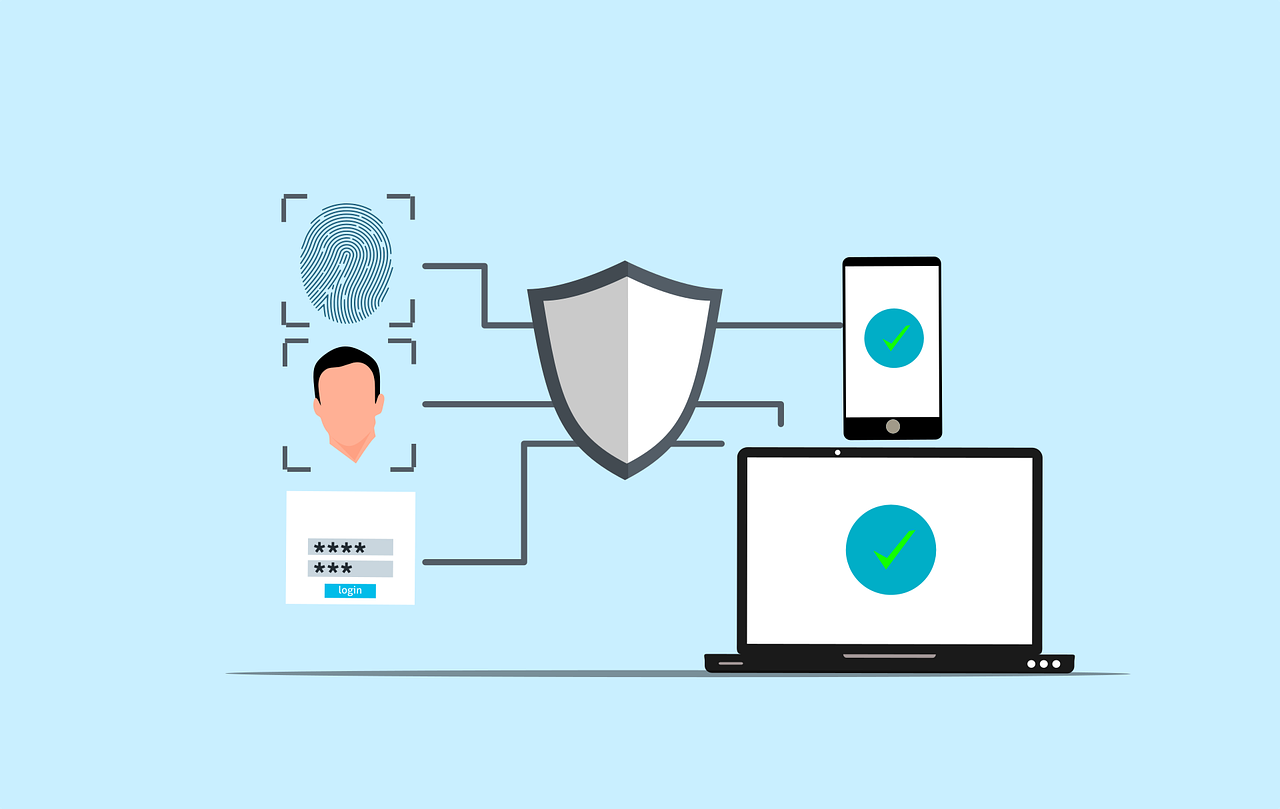
As mobile banking continues to grow, enhancing security for personal data must remain a top priority for financial institutions. Different technologies can be employed to safeguard customer information effectively. For example, data encryption ensures that sensitive information is unreadable to unauthorized users during transmission. Furthermore, leveraging advanced analytics and machine learning can identify fraudulent transactions in real time, empowering banks to respond promptly. Implementing biometric authentication, such as fingerprint scanning or facial recognition, elevates the security level significantly as these methods rely on users’ unique biological traits. Additionally, employing secure application programming interfaces (APIs) allows banks to create a controlled environment for third-party service integrations while minimizing risks. Encouraging regular security assessments and penetration testing helps identify vulnerabilities that need addressing. By proactively adopting these advanced technologies and practices, financial institutions can create a safer mobile banking environment. Furthermore, fostering a robust cybersecurity culture within the organization will ensure that staff members are equipped to handle any potential security breaches. Ultimately, these measures fortify customer data protection, enhancing trust and customer satisfaction in mobile banking services.
The Role of Customer Education
The crucial role of customer education in mobile banking security cannot be understated. Customers must be aware of potential threats and best practices to protect their data proactively. Banks should offer regular workshops and online resources that provide valuable information on recognizing scams, secure password creation, and safe mobile banking habits. For instance, informing customers about the importance of using unique, complex passwords for different online services can prevent unauthorized access. Additionally, providing guidance on verifying app authenticity before download and avoiding suspicious links in emails or messages can greatly reduce the risk of phishing attacks. To further enhance security, banks can integrate educational tips directly into their mobile apps, ensuring customers receive timely advice. Communication through multiple channels—like newsletters, blog posts, and social media—can engage customers consistently. Creating a community discussion platform can also encourage users to share experiences and learn from each other. By investing in customer education, financial institutions empower clients to take charge of their security, leading to safer banking experiences. Ultimately, a well-informed customer base significantly contributes to strengthening the overall security of mobile banking services.
In conclusion, protecting customer data in mobile banking requires a multi-faceted approach, combining advanced technology with active customer participation. Financial institutions must invest in robust security systems to fend off threats while ensuring compliance with regulations designed to protect user privacy. However, technology alone is insufficient; customer education plays a vital role in creating a secure banking environment. By teaching clients about potential risks and best practices, banks can foster a culture of security that empowers customers to take proactive measures. Regular updates to apps, strong authentication methods, and encrypted transactions are all essential elements of a comprehensive strategy to secure customer data. Moreover, involving customers directly in the security process enhances their confidence in mobile banking services. This collaborative effort contributes to a healthier relationship between financial institutions and their clients. Continuous improvement and adaptation to emerging threats are also necessary as new vulnerabilities arise. By staying ahead of the curve and addressing security concerns diligently, financial institutions can ensure their customers feel safe and secure while enjoying the convenience of mobile banking. Thus, collective efforts among banks and their users will ensure a safer financial environment for all.