
The Basics of Credit Reports and Their Impact
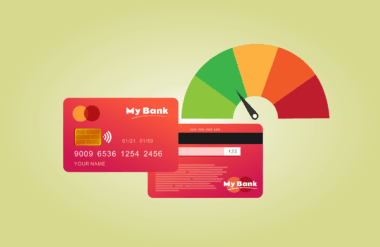
A credit report is a comprehensive record of your credit history and is essential for understanding your financial health. It is prepared by credit bureaus and is used by lenders to evaluate creditworthiness when you apply for loans or credit cards. Credit reports include personal information, credit accounts, payment history, and inquiries into your credit. When managing your finances, it is vital to understand how your credit report impacts your ability to acquire new credit. The information contained in these reports is vital in determining your credit score, which lenders heavily rely on. A higher credit score can lead to better interest rates and loan terms, allowing you to save significant amounts of money over time. By maintaining a good credit report, you can improve your financial opportunities substantially. It’s necessary to regularly check your credit report for inaccuracies or fraudulent accounts, as these can harm your score significantly. You can obtain a free report annually at AnnualCreditReport.com, allowing you to stay informed about your financial standing. Understanding your credit report is therefore crucial for long-term financial wellness and security.
Building your credit history is a process that takes time and diligence. Initially, most people start with a credit card or a small loan. Making timely payments on these accounts is essential, as this demonstrates your ability to manage debt responsibly. Establish a consistent payment routine by setting up reminders or automatic payments to avoid missed due dates. Additionally, try to maintain low credit utilization by keeping your credit card balances low relative to your total credit limit. Experts recommend using no more than 30% of your available credit at any one time. If possible, pay off your credit card balances in full each month to minimize interest charges and demonstrate to lenders that you are a lower-risk borrower. This will positively impact your credit score over time. Moreover, avoid applying for too much credit at once, as multiple inquiries can lower your score temporarily. Focus instead on responsibly managing existing accounts and building your credit history gradually. With patience and effective strategies, you can establish a strong credit rating that will benefit you in the long run.
Components of a Credit Report
Understanding the components of a credit report is crucial when managing your financial portfolio. Each credit report typically contains several key sections, including identifying information, account information, and inquiries. The identifying information section will include your name, address, Social Security number, and employment history. This helps lenders accurately identify you during the credit assessment process. The account information section outlines your individual credit accounts, including the type of account, balance, payment history, and the date the account was opened. This section plays a significant role in determining your overall creditworthiness, as it reflects how well you handle your credit. Inquiries, on the other hand, document the instances when lenders have accessed your credit report to make a lending decision. These inquiries can be classified as hard or soft, with hard inquiries posing a more substantial impact on your overall credit score. By familiarizing yourself with these sections of your credit report, you can understand better what potential lenders may see and how to improve your overall credit health.
Your credit score, a pivotal part of the credit report, quantifies your creditworthiness based on the information contained within it. Ranging from 300 to 850, the score is calculated using several factors, primarily payment history, credit utilization, length of credit history, new credit, and types of credit used. Payment history accounts for approximately 35% of your score, highlighting the importance of timely payments. Meanwhile, credit utilization represents about 30% of the score, suggesting that maintaining low balances relative to available credit is vital. The length of your credit history constitutes about 15%, which indicates that having older accounts can positively influence your score. New credit inquiries account for roughly 10%, as lenders need to assess your recent borrowing activity. Lastly, the types of credit used comprise around 10%, meaning a healthy mix of installment loans and revolving credit can be beneficial. Regularly monitoring your credit score and understanding its components will allow you to make informed decisions regarding borrowing and managing your finances responsibly. This knowledge is crucial for optimizing your financial future.
Improving Your Credit Report
Improving your credit report and subsequently your credit score requires a proactive approach and continuous efforts. One of the most effective strategies is to pay your bills on time consistently. Reminders or automatic payments can help ensure you never miss payment due dates, which is essential for maintaining a positive payment history. Additionally, while it’s important to have credit accounts, limiting your overall debt is equally crucial. Keeping track of your accounts and paying off outstanding debts helps boost your credit profile. If you have credit card balances, aim to pay them down or pay them off completely. Another vital step is to review your credit report regularly, ensuring there are no errors or inaccuracies that could harm your credit score. If you spot any discrepancies, make it a priority to dispute them promptly. Furthermore, consider speaking to a credit counseling service for professional assistance if you encounter challenges managing your finances. By understanding your credit report and taking proactive measures to manage and improve it, you can lay the foundation for a stronger financial future.
The impact of credit reports on various aspects of financial situations cannot be underestimated. A solid credit report can lead to favorable loan terms, meaning lower interest rates and better repayment options. This can save borrowers thousands of dollars over the lifespan of loans, particularly large purchases such as homes or vehicles. Conversely, individuals with poor credit reports may face higher interest rates or even loan denials, reducing their financial opportunities. Insurers may take credit scores into account when determining premiums, leading to higher insurance costs for those with low scores. Moreover, many employers incorporate credit history into their hiring processes, especially for positions involving financial responsibility. This means having a poor credit history could potentially impact your career prospects. The significance of a credit report extends to utility services and rental applications, where potential landlords often evaluate creditworthiness before approving leases. Understanding the broad impact of credit reports emphasizes the importance of actively managing one’s credit health and ensuring all aspects of credit history are diligently maintained.
Conclusion
In conclusion, grasping the basics of credit reports and their impact is essential for fostering financial literacy. Knowing how credit reports are structured is key to understanding what influences your credit score and how it can affect various aspects of your financial life. By consistently making timely payments, maintaining low credit utilization, and regularly reviewing your credit reports, you set yourself up for success. Remember that improving and managing your credit is an ongoing process that requires a commitment to responsible financial behaviors. Take action by utilizing available resources to monitor your credit, such as annual free reports and credit tracking services. Furthermore, seek assistance if you encounter challenges understanding credit reports or improving your financial standing. By prioritizing your credit health, you’re investing in your financial future and unlocking new opportunities that align with your goals.